How Pest Biology Affects Control Strategy
- Understanding Pest Biology
- The Importance of Pest Behavior
- Integrating Pest Biology into Control Strategies
- Case Studies: Successful Applications of Pest Biology
- The Future of Pest Control and Biology
Understanding Pest Biology
Pest biology refers to the study of the life cycle, behavior, and ecological roles of pests in their environment. Understanding the biology of pests is crucial for developing effective pest control strategies. It helps identify the pests' vulnerabilities, behavior patterns, breeding cycles, and feeding habits, which can then be leveraged to create more targeted and efficient control methods.
Each type of pest behaves differently depending on its species and environment. For example, rodents and insects have vastly different reproductive cycles and nesting behaviors, which means that pest control measures should be tailored accordingly.
The Importance of Pest Behavior
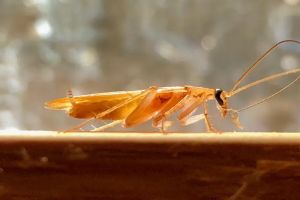
The behavior of pests plays a significant role in how they can be controlled. Understanding when pests are most active, where they breed, and how they feed can help develop targeted control measures. Some pests, like termites, cause damage to structures over a long period, making early detection and control essential to prevent large-scale damage.
For instance, knowing the habits of mosquitoes can lead to more effective strategies like eliminating breeding grounds or using repellents during peak activity times. Similarly, understanding the seasonal patterns of pests like cockroaches or ants can help optimize the timing of pest control treatments.

Integrating Pest Biology into Control Strategies
Once the biological characteristics of pests are understood, they can be integrated into pest control strategies. For example:
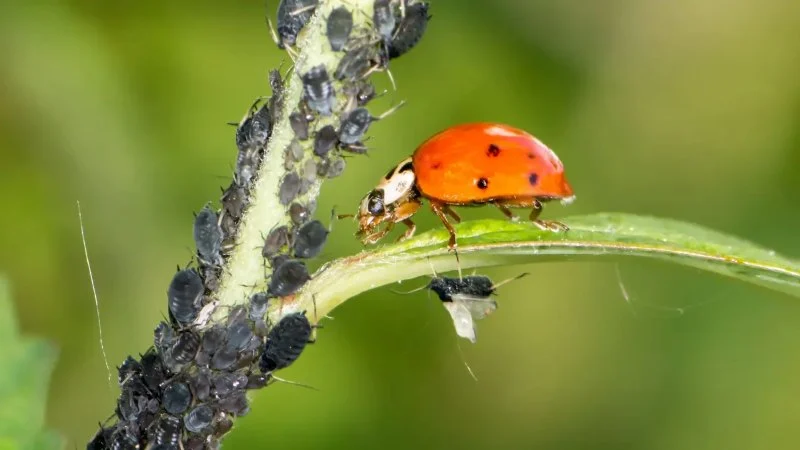
- Biological control: This strategy uses natural predators or parasites to control pest populations. Understanding the biology of both the pest and its natural enemies is critical for success.
- Chemical control: Proper timing and use of pesticides are more effective when aligned with the biological behaviors of pests, such as their reproductive cycles or feeding habits.
- Habitat modification: Altering the environment to make it less hospitable for pests, such as reducing moisture for insects, is based on understanding their habitat preferences and behaviors.
Case Studies: Successful Applications of Pest Biology
Real-world examples highlight the benefits of applying pest biology to control strategies:
- Termite Control: In a case study of a residential community, the application of termite biology led to the installation of specialized baiting systems that targeted their feeding and reproductive habits, resulting in a significant reduction in damage.
- Mosquito Prevention: By understanding mosquito breeding cycles and behavior, a community implemented larvicides in stagnant water areas and timed pesticide sprays during peak mosquito activity periods, leading to a sharp decrease in mosquito-borne illnesses.
The Future of Pest Control and Biology
Advances in pest biology are continually improving pest control methods. Researchers are studying new ways to disrupt pest reproduction and behavior, using biological and genetic approaches. Integrated Pest Management (IPM) systems that combine biological, physical, and chemical methods are becoming more common and environmentally friendly.
In the future, pest management will increasingly rely on tailored, data-driven strategies that combine pest biology with technological innovations, ensuring more sustainable and effective pest control practices.
For more information on effective pest control strategies and products, visit PestControlHub.

 Bauer Family Pest Control, Inc.5.0 (3 reviews)
 A-1 Pest Control5.0 (118 reviews)
 Friendly Pest Control5.0 (1 reviews)
 MOSQUITO ENEMY4.0 (192 reviews)
 Terminix4.0 (678 reviews)
 Masters Touch Pest Solutions- A Division of Viking Pest Control4.0 (414 reviews)
 How to Reduce Pest Attraction to Bird Feeders | Pest Control Tips
 How to Monitor Pest Trends After Treatment for Effective Control
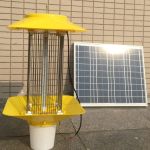 How to Use Solar Pest Control Devices
 How to Use Low-Toxic Baits for Rodents: A Safer Way to Control Pests
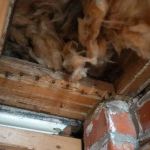 How to Spot Pest Activity in Wall Voids: Signs & Prevention Tips
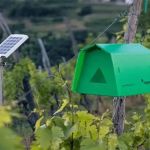 How to Use Smart Devices to Track Pest Locations