How to Effectively Deal With Pest Pressures in Coastal Areas
- 1. Understanding Pest Challenges in Coastal Areas
- 2. Top Prevention Tips for Coastal Pest Control
- 3. Common Pests in Coastal Areas
- 4. Effective Pest Control Strategies for Coastal Homes
- 5. When to Call for Professional Pest Control Assistance
1. Understanding Pest Challenges in Coastal Areas
Coastal areas present unique challenges when it comes to pest control. The humid climate, proximity to water, and abundant vegetation create an ideal environment for many pests. From termites to mosquitoes, understanding the specific pest pressures in your area is the first step to combating them effectively.
1.1 Why Coastal Areas Attract More Pests
The humid environment and proximity to water make coastal areas prime real estate for pests. The constant moisture encourages breeding, while the lush vegetation provides ample shelter and food sources. Additionally, the salty air can contribute to more frequent pest issues.
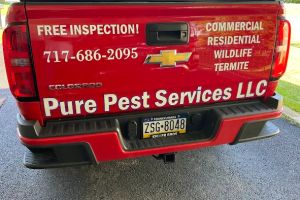
Pure Pest Services LLC
HarrisburgDauphin CountyPennsylvania
1293R Colonial Club Dr, Harrisburg, PA 17112, USA
2. Top Prevention Tips for Coastal Pest Control
Preventing pests from entering your home is often more effective than dealing with them once they’ve settled in. Here are some proactive steps you can take:
2.1 Seal Entry Points
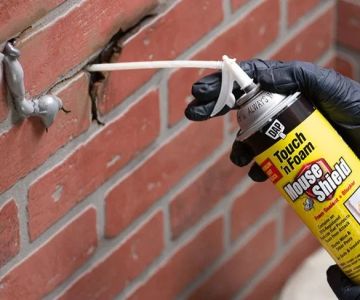
Ensure that your home is sealed tightly by checking for gaps or cracks around windows, doors, and vents. Use weather stripping or caulk to seal potential entry points where pests can enter.
2.2 Maintain Cleanliness
Keeping your home clean is crucial to deterring pests. Regularly vacuum and wipe surfaces, and make sure food is stored properly in sealed containers to avoid attracting pests like ants and cockroaches.
2.3 Install Screens
Install screens on windows and doors to keep flying insects, such as mosquitoes and flies, from entering your home. This is particularly important in coastal areas where mosquitoes can be a major problem.
3. Common Pests in Coastal Areas
Coastal areas are home to various pests that thrive in the unique conditions of these environments. Let’s look at some of the most common pests you’ll encounter:
3.1 Termites
Termites are a significant concern in coastal areas due to the high moisture levels that make wood an ideal habitat for these pests. Preventive measures, such as regular inspections and treatment of your home’s foundation, can help mitigate termite damage.
3.2 Mosquitoes
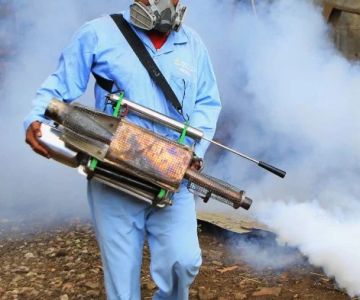
Being near standing water makes coastal areas a breeding ground for mosquitoes. These pests not only cause discomfort but can also transmit diseases. Reduce standing water around your property and use mosquito-repellent plants to keep them at bay.
3.3 Ants
Coastal homes are often targets for ants, particularly species like fire ants and sugar ants. These pests tend to invade homes in search of food. Keeping your kitchen sealed and regularly cleaning food crumbs can help keep them from infesting your space.
4. Effective Pest Control Strategies for Coastal Homes
When prevention isn’t enough, you may need to take more direct action. Here are some effective pest control strategies:
4.1 DIY Pest Control
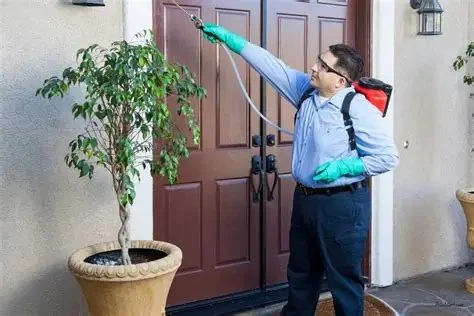
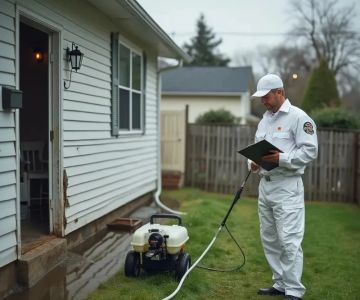
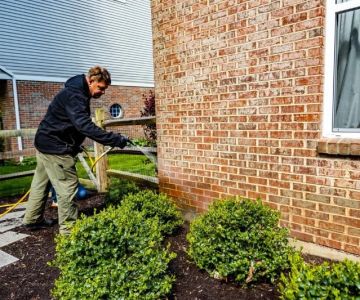
For some pests, DIY methods can be effective. Using natural pest repellents, setting traps, or spraying insecticides around the perimeter of your home can help. Always ensure that you use products that are safe for pets and children.
4.2 Regular Professional Inspections
For persistent issues like termites or rodents, it’s best to schedule regular inspections with a professional pest control service. A trained expert can identify problem areas and apply targeted treatments to prevent long-term damage.
4.3 Integrated Pest Management (IPM)
IPM is an environmentally friendly approach that combines various methods, such as biological control, habitat manipulation, and physical barriers, to manage pest populations. Working with a professional to implement IPM can significantly reduce pest problems in coastal areas.
5. When to Call for Professional Pest Control Assistance
While DIY methods can be effective, some pest problems require the expertise of a professional. Here are a few scenarios where it’s best to call for help:
5.1 Severe Infestation
If you’re dealing with a significant infestation, such as termites, bed bugs, or a rodent problem, professional pest control services can provide effective treatments that will eliminate the issue quickly and safely.
5.2 Long-Term Pest Prevention
For long-term pest prevention, an experienced pest control company can help by providing regular inspections, treatments, and advice tailored to your home’s unique needs, especially in high-risk coastal areas.
Dealing with pests in coastal areas may require a combination of proactive strategies and professional intervention. By understanding common pests and taking the right steps, you can protect your home and enjoy the beauty of coastal living without worrying about pests. For expert help and effective pest control solutions, visit 【PestControlHub】.


 Bug Free Pest Control, LLC4.0 (101 reviews)
 Rocket Pest Control4.0 (717 reviews)
 Lovebug Home and Pest Solutions5.0 (10 reviews)
 Western Pest Services4.0 (59 reviews)
 Logan Pest Control Co0.0 (0 reviews)
 Maryland Wildlife Solutions4.0 (146 reviews)
 How to Address Pest Issues in Spring Planting for Healthy Gardens
 How to Deal With Pest Issues Near Pools – Effective Control Tips
 How to Get Rid of Bed Bugs Without Poisoning Your Home
 How to Maintain Pest-Free Landscapes Year-Round
 How to Stop Pests When You’re on Vacation: Simple Steps to Keep Your Home Pest-Free
 How to Use UV Traps for Flying Insects: A Complete Guide for Effective Pest Control