
- 1. Understanding the Importance of Securing Entry Points
- 2. Types of Deterrents for Entry Points
- 3. How to Choose the Right Deterrent for Your Home
- 4. Best Practices for Placing Deterrents Around Entry Points
- 5. Real-Life Case Studies: Deterrents That Worked
- 6. Maintaining and Updating Deterrent Systems
1. Understanding the Importance of Securing Entry Points
Entry points are the most common access routes for pests to enter your home. These include doors, windows, vents, and even cracks or gaps in the walls. Ensuring that these entry points are properly secured is critical in preventing pest infestations. Pests such as rodents, insects, and even larger animals are always looking for easy ways into your home, and failing to secure these areas can lead to significant problems. Deterring pests before they enter can save you time, money, and a lot of stress.
Ticked Off Mosquito Control inc
8 Quogue Plaza Trail, Quogue, NY 11959, USA
2. Types of Deterrents for Entry Points
There are several types of deterrents you can use to protect your home from pests:
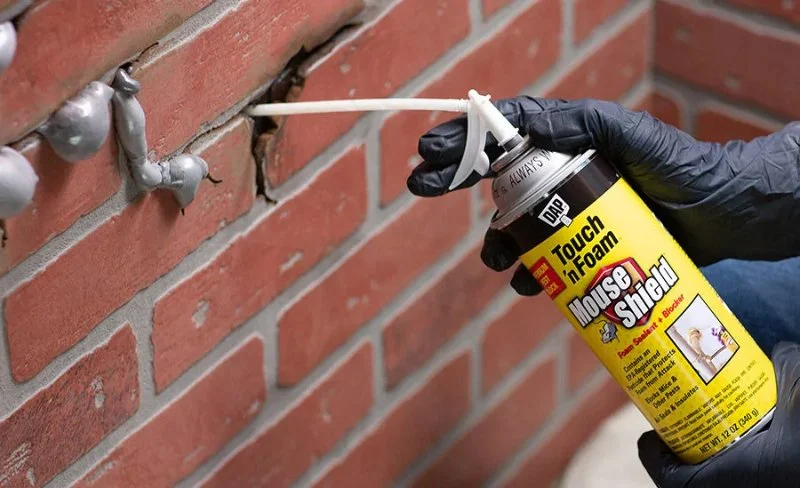
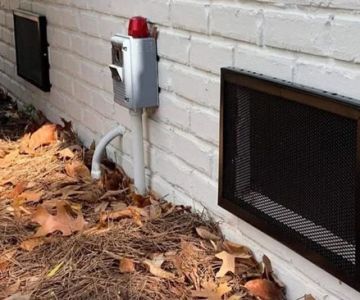
- Physical Barriers: These include mesh screens for windows, sealing cracks with caulk, and installing door sweeps to block gaps. Physical barriers are a simple and cost-effective way to prevent entry.
- Chemical Deterrents: Many commercial repellents use natural oils or chemicals to discourage pests from entering. These can be sprayed around doors and windows to create a barrier that pests avoid.
- Ultrasonic Repellents: These devices emit high-frequency sounds that are unpleasant for pests but inaudible to humans. They're commonly used to deter rodents and insects.
- Natural Remedies: Certain plants like lavender, mint, and citronella can act as natural deterrents for pests like mosquitoes and flies. These can be strategically placed near entry points for additional protection.
3. How to Choose the Right Deterrent for Your Home
Choosing the right deterrent depends on several factors, such as the type of pest, the layout of your home, and your preferences for maintenance. For example, if you're dealing with rodents, physical barriers like mesh screens and sealing cracks may be the most effective. If you're trying to keep insects away, chemical repellents or ultrasonic devices could work better. Natural remedies are a great option if you prefer non-toxic solutions but may need to be used in conjunction with other methods for the best results. Always consider the severity of your pest problem when selecting deterrents, and be mindful of the environment and safety of your household.
Bed Bugs, Etc. Pest Control
PhiladelphiaPhiladelphia CountyPennsylvania
607 E Passyunk Ave, Philadelphia, PA 19147, USA
4. Best Practices for Placing Deterrents Around Entry Points
To ensure the effectiveness of your deterrents, placement is key. Here are a few tips:
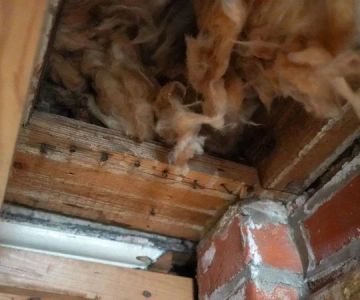
- Inspect Entry Points Regularly: Walk around your home and inspect all potential entry points. Look for cracks, gaps, or holes around windows, doors, and vents.
- Seal Gaps Effectively: Use caulk or weatherstripping to seal any gaps around windows or doors. Pay attention to areas that are commonly overlooked, such as under doors or around air vents.
- Place Deterrents Strategically: If you're using ultrasonic repellents, place them in central areas where sound can travel freely, such as hallways or open spaces. For chemical repellents, target areas where pests are most likely to enter.
- Maintain a Clean Environment: Keep the exterior of your home clean and free from food waste. Remove trash regularly and avoid leaving food out in areas near entry points to minimize the attraction for pests.
5. Real-Life Case Studies: Deterrents That Worked
In many cases, homeowners have found success by using a combination of deterrents. For example, one homeowner in a suburban area dealt with a mouse problem by installing mesh screens and using an ultrasonic repellent device. After a few weeks, they noticed a significant decrease in rodent activity. Another homeowner who struggled with ants found that placing citronella plants near entry points, along with using natural chemical repellents, helped keep ants at bay during the summer months. These real-life examples show that the right deterrents, when used correctly, can significantly reduce pest invasions.
6. Maintaining and Updating Deterrent Systems
Once you've installed deterrents around your entry points, it's important to maintain and update them regularly. Check for wear and tear, especially on physical barriers like door sweeps and mesh screens. Reapply chemical repellents as directed on the packaging, and ensure that ultrasonic devices are still functioning. Over time, pests may become accustomed to certain deterrents, so it's important to rotate your methods or use a combination of techniques for continued success. Regularly cleaning and inspecting your entry points will help ensure that your home remains pest-free.



 Joshua Tree Experts4.0 (765 reviews)
 Ocean Pest Consultants5.0 (14 reviews)
 Kingsway Exterminating4.0 (77 reviews)
 Rocket Pest Control4.0 (622 reviews)
 Birch Ridge Management LLC5.0 (10 reviews)
 Buckmaster Pest Control3.0 (15 reviews)
 How to Create a Pest-Resistant Garden
 How to Use Smart Devices to Track Pest Locations
 How to Use Non-Chemical Barriers for Pest Control: Natural Solutions for Your Home
 How to Make Your Home Less Attractive to Pests – Simple Tips to Protect Your Home
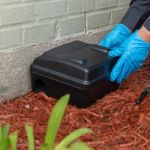 The Role of Bait vs Spray Treatments for Rodents
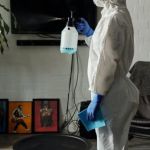 How to Keep Crawlspaces Pest-Free All Year: Effective Strategies and Tips