
- 1-Understanding-Smart-Alerts-for-Pest-Detection
- 2-Why-Early-Pest-Detection-Is-Critical-for-Homeowners
- 3-How-Smart-Alert-Pest-Detection-Systems-Work
- 4-Best-Practices-for-Using-Smart-Alerts-Effectively
- 5-A-Real-World-Example-of-Smart-Pest-Detection
1. Understanding Smart Alerts for Pest Detection
Pest problems often begin quietly. A few ants in the kitchen or a faint scratching sound in the walls may seem harmless at first, but these small signs can quickly develop into serious infestations. Modern technology now offers homeowners a proactive way to deal with pests. Learning how to use smart alerts for pest detection can help identify issues early before they become costly or damaging.

1.1 What smart pest alerts actually mean
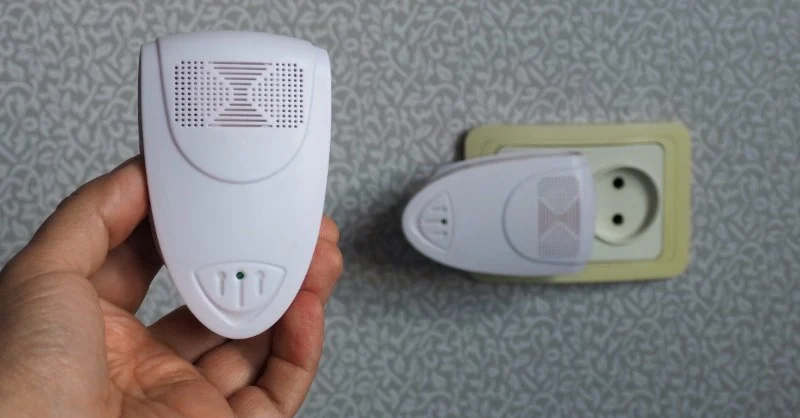
Smart pest alert systems use sensors, connected devices, and mobile notifications to detect signs of pest activity. Instead of waiting until pests become visible, these systems monitor specific areas of a home and notify homeowners when suspicious movement or environmental conditions are detected.

Fowler and Sons Pest Control
BarnstableBarnstable CountyMassachusetts
347 W Main St, Hyannis, MA 02601, USA
1.2 The shift toward proactive pest control
Traditional pest control methods often relied on reacting to visible infestations. Smart detection technology changes that approach by focusing on prevention and early response. When alerts arrive quickly, homeowners can take action before pests spread.
1.3 Why homeowners are adopting smart detection tools
With the rise of smart home technology, pest detection systems are becoming more accessible. Many homeowners appreciate the ability to monitor potential pest activity remotely through smartphone notifications.
2. Why Early Pest Detection Is Critical for Homeowners
Pests rarely appear suddenly in large numbers. Most infestations start small and grow over time. Detecting them early can significantly reduce damage and costs.
2.1 Preventing structural damage
1. Termites and wood damage
Termites can quietly destroy wooden structures for months before being noticed. Early detection can prevent thousands of dollars in repairs.
2. Rodent damage to wiring
Rodents often chew electrical wires, which can create fire hazards inside walls.
2.2 Protecting food and sanitation
1. Kitchen infestations
Ants, cockroaches, and pantry pests often target food storage areas.
2. Maintaining a hygienic home environment
Early detection helps homeowners maintain clean and safe living spaces.
2.3 Reducing stress for homeowners
Few household problems are as stressful as discovering a serious pest infestation. Early alerts provide peace of mind by giving homeowners more control over the situation.
Many homeowners researching prevention tools explore additional pest monitoring guidance through PestControlHub, where pest management strategies and modern detection solutions are discussed in detail.
3. How Smart Alert Pest Detection Systems Work
Smart pest detection systems combine several technologies to monitor activity in vulnerable areas of a home.
3.1 Motion and activity sensors
1. Detecting unusual movement
Some smart traps and monitoring devices use motion sensors to detect rodents or insects entering specific zones.
2. Monitoring high-risk areas
Devices are often placed in kitchens, basements, attics, or garages where pests commonly appear.
3.2 Environmental monitoring
1. Moisture detection
Excess moisture can attract pests such as termites and cockroaches.
2. Temperature tracking
Temperature changes can influence pest activity patterns.
3.3 Smartphone notifications and alerts
When the system detects unusual activity, it sends real-time alerts to the homeowner’s phone. These notifications allow users to check the situation immediately and decide whether action is needed.
4. Best Practices for Using Smart Alerts Effectively
Smart pest detection systems are most effective when used strategically.
4.1 Place sensors in high-risk areas
1. Kitchens and pantries
Food storage areas often attract insects and rodents.
2. Basements and crawl spaces
Dark, humid environments are common hiding spots for pests.
4.2 Combine technology with preventive habits
1. Maintain clean food storage
Keeping food sealed and surfaces clean reduces pest attraction.
2. Seal entry points
Cracks, vents, and gaps around doors can allow pests to enter.
4.3 Respond quickly to alerts
Smart alerts are only helpful if homeowners respond promptly. Investigating alerts quickly helps prevent small issues from becoming larger infestations.
5. A Real World Example of Smart Pest Detection
A homeowner in Texas installed a smart pest monitoring device in his garage after noticing occasional rodent activity in the neighborhood. For several weeks, the system showed no activity. Then one evening, a notification appeared on his phone indicating motion near the storage shelves.
5.1 What the alert revealed
1. Early rodent activity
Upon checking the garage, he discovered a small rodent had entered through a tiny gap near the door.
2. A problem caught early
Because the alert came quickly, he sealed the gap and placed traps before the rodent could nest.
5.2 Lessons from this experience
This situation illustrates how early warnings can prevent larger infestations. Without the alert, the rodent might have remained undetected for weeks.
5.3 Continuing to improve pest prevention
Homeowners who want to strengthen their prevention strategies often explore additional pest control insights through PestControlHub, where practical pest management tips and modern monitoring methods help protect homes more effectively.
Smart pest alerts are transforming how homeowners approach pest control. By combining technology with proactive habits, it becomes easier to detect problems early and maintain a safer, cleaner home environment.



 Chagrin valley pest control4.0 (20 reviews)
 Guardian Pest Control5.0 (883 reviews)
 Ehrlich Pest Control4.0 (736 reviews)
 Jay Taylor Exterminating Co., Inc.5.0 (527 reviews)
 Kind Pest Control5.0 (1218 reviews)
 Bug Man Exterminating4.0 (695 reviews)
 How to Inspect for Pests Around Plumbing Lines: A Step-by-Step Guide
 How to Seal Entry Points in Foundation Cracks
 How to Reduce Indoor Humidity to Prevent Insects
 How to Remove Bees Without Killing Them
 How to Detect Termites Under Slab Foundations: A Comprehensive Guide
 How to Reduce Pest Attraction Through Landscaping