- understanding-pest-flows-in-perimeter-areas
- why-monitoring-pest-flows-is-crucial
- methods-for-monitoring-pest-flows
- tools-and-techniques-for-effective-monitoring
- integrating-monitoring-into-your-pest-control-strategy
- real-world-examples-of-effective-pest-flow-monitoring
1. Understanding Pest Flows in Perimeter Areas
Pest monitoring is an essential aspect of proactive pest control, especially when it comes to perimeter areas around your home or business. By understanding how pests move around your property, you can better prevent infestations and mitigate potential damage before it happens.

1.1 What Are Pest Flows?
Pest flows refer to the movement patterns of pests as they travel across a particular area, such as around the edges of a property or along boundaries where pests are likely to enter. Monitoring these movements helps identify when and where pests are most active, providing a clearer understanding of how they interact with your environment.
1.2 Why Focus on Perimeter Areas?
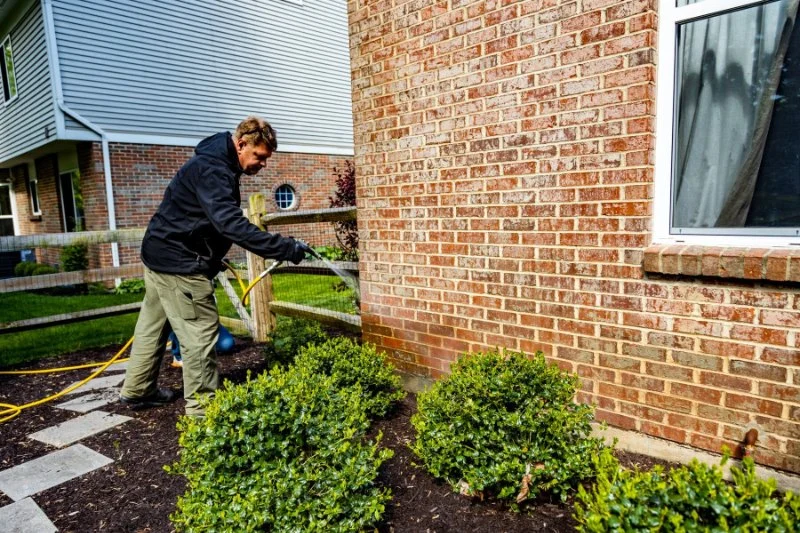
The perimeter of your property is a critical area for pest monitoring. This is where pests often begin their journey towards invading your home or business. By focusing on monitoring these border zones, you can spot early signs of pest activity and address issues before they escalate.
2. Why Monitoring Pest Flows is Crucial
Monitoring pest flows in perimeter areas plays a vital role in maintaining a pest-free environment. Understanding these movements can help in a variety of ways:
2.1 Early Detection of Pests
Pest activity is often most noticeable on the outer boundaries of your property. By monitoring these areas, you can detect early signs of pests such as burrows, droppings, or chewed vegetation. Early detection allows for prompt intervention, which can save time, effort, and money in dealing with more extensive infestations later on.
2.2 Targeted Pest Control
When you know where pests are likely to enter your property, you can target pest control treatments more effectively. For example, by focusing on high-traffic pest zones along your perimeter, you can apply traps, baits, or repellents where they are most needed, minimizing waste and improving results.
2.3 Preventing Long-Term Damage
Left unchecked, pests that infiltrate your home or business can cause significant damage to structures, crops, or inventory. By keeping track of pest flows and monitoring their movements, you can prevent long-term damage to your property and assets.
3. Methods for Monitoring Pest Flows
To effectively monitor pest flows, you need to employ the right methods and strategies that allow for consistent observation and tracking. Below are some of the most effective ways to monitor pest movement along the perimeter of your property:
3.1 Visual Inspections
Regular visual inspections of the perimeter of your property are one of the most straightforward ways to track pest flows. Look for signs of pest activity such as droppings, damage to plants or structures, nesting sites, or the presence of pests themselves. This method is best combined with other monitoring techniques for a comprehensive approach.
3.2 Tracking Pheromone Traps
Pheromone traps use synthetic scents to attract pests, allowing you to monitor their presence and movements over time. These traps are particularly effective for insects like moths, ants, and beetles, as they are drawn to the pheromones used in the traps. Placing these traps around the perimeter of your property can provide valuable data about pest activity.
3.3 Motion-Activated Cameras
For more detailed monitoring, motion-activated cameras can be used to track nocturnal or elusive pests. These cameras can be placed along the perimeter to capture images or video footage of pests as they move. This method is especially useful for tracking rodents, raccoons, and other wildlife that might be difficult to spot during the day.
4. Tools and Techniques for Effective Monitoring
While the basic methods above are effective, there are a variety of tools and techniques that can make pest flow monitoring more precise and efficient.
4.1 Bait Stations
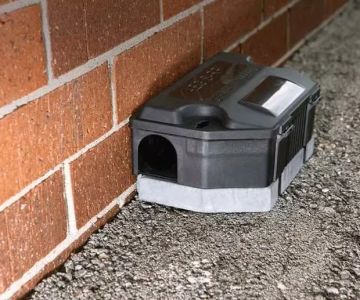
Bait stations are an excellent tool for monitoring pest movements, especially for rodents and insects. These stations contain bait that attracts pests, and once they enter, they are trapped or killed. Monitoring the bait stations over time provides insight into pest activity and allows for strategic intervention.
4.2 Pest Control Software
In commercial or large-scale settings, pest control software can help track and record pest movement over time. These tools allow for detailed record-keeping of inspections, pest control treatments, and monitoring results. Many modern pest control services also use software to track pest patterns and optimize their approach.
4.3 Professional Pest Monitoring Services
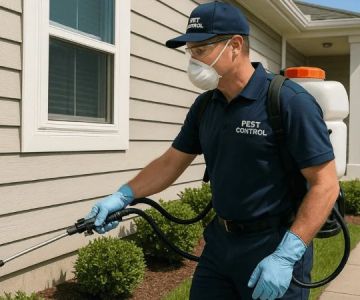
For a more hands-off approach, you can hire professional pest control services that specialize in perimeter monitoring. These experts can set up a comprehensive monitoring system using traps, cameras, and advanced tools to track pest movement and provide regular reports on pest activity.
5. Integrating Monitoring into Your Pest Control Strategy
Effective pest control requires a strategic approach that incorporates monitoring. By integrating pest flow monitoring into your overall pest control strategy, you can stay ahead of pest problems and reduce the likelihood of infestations.
5.1 Regular Monitoring and Reporting
Schedule regular inspections and pest flow monitoring to keep track of trends and spot any sudden increases in pest activity. Tracking this data over time allows you to adjust your pest control methods as needed, ensuring long-term effectiveness.
5.2 Preventive Measures Based on Monitoring Data
Once you’ve identified pest patterns, use this information to adjust your preventive measures. For example, if you notice a specific area is attracting pests, you can reinforce that area with additional barriers or repellent applications to prevent pests from entering.
5.3 Combining with Chemical and Non-Chemical Treatments
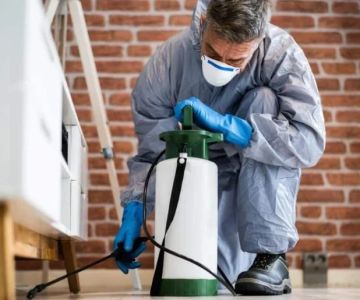
Monitoring pest flows should be combined with both chemical and non-chemical treatments. For example, while traps can help control pests, chemical treatments like insecticides or rodenticides can be used in targeted areas where pest activity is highest. The combination of both methods ensures comprehensive pest management.
6. Real-World Examples of Effective Pest Flow Monitoring
To further illustrate the importance of monitoring pest flows, here are a couple of real-world examples of successful pest management through perimeter monitoring:
6.1 Urban Apartment Complex
In a large urban apartment complex, management installed pheromone traps along the building’s perimeter to monitor the presence of rodents. Over time, the data collected from these traps revealed the most active areas where rodents were entering. By focusing their pest control efforts on these zones, the complex was able to reduce rodent sightings by 75% within six months.
6.2 Agricultural Property
A large farm used motion-activated cameras to monitor wildlife activity around their perimeter. The cameras revealed that raccoons were accessing food storage areas at night. With this information, the farm implemented additional barriers and rodent-proofed their buildings, significantly reducing the pest problem and protecting their crops.
By effectively monitoring pest flows in perimeter areas, you can stay proactive in pest management, prevent infestations, and maintain a clean, safe environment. For more guidance on pest monitoring and control, visit PestControlHub for expert advice and product recommendations tailored to your specific needs.

 Bite Back Tick and Mosquito Control5.0 (284 reviews)
 Plymouth Bristol Pest Control4.0 (15 reviews)
 Foothills Bee Company5.0 (11 reviews)
 Cardinal Environmental Solutions, LLC4.0 (174 reviews)
 Anchor Pest Services4.0 (46 reviews)
 Geese Chasers Long Island NY LLC5.0 (24 reviews)
 How to Get Rid of Bed Bugs Without Poisoning Your Home
 How to Control Pests in Underground Crawl Spaces: A Comprehensive Guide
 How Crowded Attics Attract Rodents and How to Prevent Infestations
 How to Reduce Indoor Humidity to Prevent Insects
 How to Effectively Deal With Pest Infestations in Subgrades | PestControlHub
 How to Clean After Pest Infestations to Prevent Return