
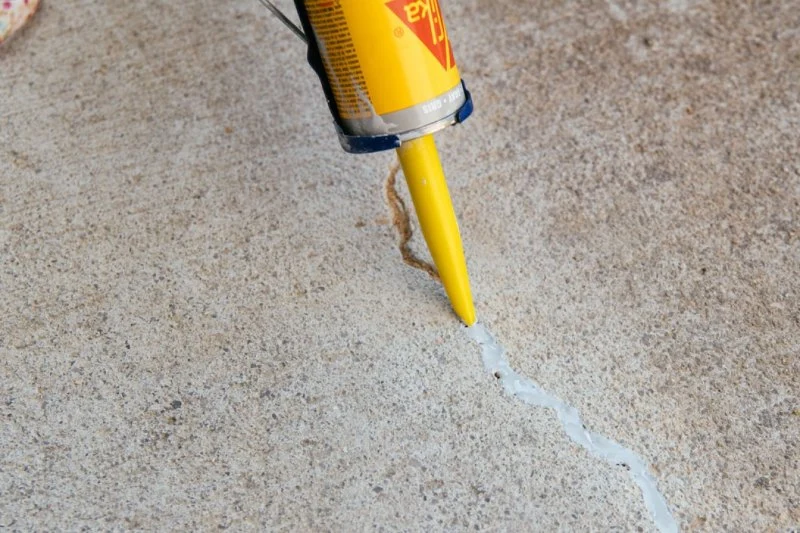
1. Understanding Cracks in Concrete and How They Attract Insects
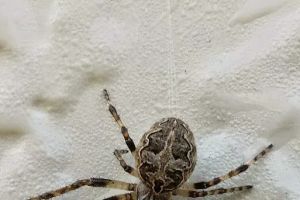
Cracks in concrete are a common issue in many homes and outdoor spaces, especially in driveways, walkways, and foundations. While these cracks can be an aesthetic concern, they also present a significant problem when it comes to pest control. Insects such as ants, termites, cockroaches, and spiders often use these cracks as entry points into your home or garden.
Insects are attracted to the tiny spaces and crevices within cracked concrete, where they can nest, seek shelter, or search for food. Over time, these cracks can become gateways for more significant pest problems if not properly addressed. Sealing cracks in concrete not only improves the structure’s integrity but also prevents insects from finding their way inside.

Pro-Tech Termite & Pest Control
Barnegat TownshipOcean CountyNew Jersey
P.O. Box 668, Barnegat, NJ 08005, USA
2. Why Sealing Cracks in Concrete is Crucial for Pest Prevention
Sealing cracks in concrete is an essential step in preventing pests from entering your home or garden. Here’s why:
1. Prevents Pest Entry: Small cracks may seem insignificant, but they offer the perfect entry point for pests. Insects like termites can easily infiltrate your home through these cracks and begin to cause damage to wood, insulation, and other materials inside your house.
2. Maintains Structural Integrity: Cracks in concrete are not just an invitation for pests—they can also compromise the structural integrity of your home. Water can seep into these cracks, causing further damage such as mold growth or foundation weakening. By sealing the cracks, you ensure that moisture is kept out, reducing the risk of both pest infestation and water-related damage.
3. Cost-Effective Solution: Sealing cracks in concrete is an affordable and proactive way to prevent more significant, costly pest problems later on. The sooner you address cracks, the less likely you are to experience major infestations that require expensive pest control measures or repairs.
3. Step-by-Step Guide to Sealing Concrete Cracks
Sealing cracks in concrete is a straightforward process that anyone can do with the right tools and materials. Follow these simple steps to block insects and prevent further damage:
1. Clean the Cracks: Begin by cleaning the cracks with a wire brush to remove any dirt, debris, or loose concrete. Use a vacuum or compressed air to ensure the crack is free from any remaining particles.
2. Prepare the Crack: For larger cracks, use a chisel or hammer to widen the crack slightly, ensuring that the filler material will adhere properly. This step may not be necessary for small, hairline cracks but is essential for larger gaps.
3. Apply a Concrete Sealant: Choose a high-quality concrete sealant that is specifically designed to fill cracks and prevent pests from entering. Use a caulking gun to apply the sealant into the crack, making sure to fill it completely. Smooth the surface of the sealant with a putty knife to ensure a clean finish.
4. Allow the Sealant to Dry: Let the sealant dry according to the manufacturer's instructions. Depending on the product, this may take anywhere from a few hours to a full day. Avoid walking or placing heavy objects on the sealed area until it is completely dry.
5. Check for Gaps: After the sealant has dried, inspect the crack to make sure it’s properly sealed. If necessary, apply a second coat of sealant to fill in any remaining gaps.
4. Tools and Materials Needed for Sealing Concrete Cracks
To successfully seal cracks in concrete, you’ll need the right tools and materials. Here’s a list of what you’ll need:
- Concrete Crack Filler or Sealant: Choose a high-quality, weather-resistant product that is designed for outdoor use and can withstand extreme temperatures and moisture.
- Wire Brush: Use this to clean out any debris or loose concrete from the cracks before applying the sealant.
- Putty Knife: This tool helps smooth and level the sealant after it’s applied to the crack.
- Caulking Gun: A caulking gun makes it easier to apply the sealant evenly and accurately into the crack.
- Chisel or Hammer: For larger cracks, these tools help widen the opening to allow the sealant to fit better and adhere properly.
- Vacuum or Compressed Air: These tools are helpful for cleaning out any remaining dirt and debris from the cracks before sealing.
5. Real-Life Case: Successfully Sealing Concrete to Block Insects
A great example of successfully sealing concrete to block insects comes from the Johnson family. They had noticed an increase in ants around their patio and along the foundation of their home. After inspecting the area, they discovered several small cracks in the concrete that had become entry points for the ants.
They decided to seal the cracks themselves using a concrete sealant recommended by a local home improvement store. After following the step-by-step process outlined earlier, they noticed a significant decrease in the number of ants around their home. The Johnsons were able to enjoy a pest-free yard while preventing further damage to their foundation and concrete surfaces.
6. Preventing Future Cracks and Pest Infestations
Sealing cracks in concrete is just one part of maintaining a pest-free environment. Here are some additional steps you can take to prevent future cracks and infestations:
1. Regularly Inspect Concrete Surfaces: Periodically check your patio, driveway, and foundation for new cracks or signs of wear. Early detection can help prevent pests from using these cracks as entry points.
2. Apply a Concrete Sealer: After repairing cracks, consider applying a concrete sealer over the entire surface. This will create an additional layer of protection against moisture and pests.
3. Manage Landscaping Around Concrete: Ensure that your landscaping is well-maintained and that soil does not build up around the edges of your concrete. Excess soil can cause moisture buildup, which may lead to cracks or attract pests.
For more tips on how to protect your home from pests, check out PestControlHub for recommended products and services to keep your home and outdoor spaces pest-free.


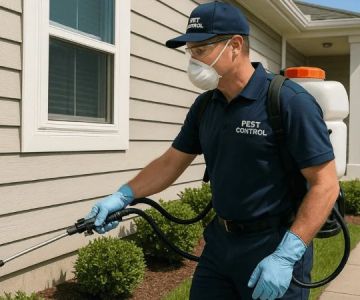
 Shumaker's Animal Control2.0 (82 reviews)
 Kolley's Exterminating Company Inc.4.0 (86 reviews)
 Envirocare Pest Control, LLC4.0 (1135 reviews)
 Catseye Pest Control - Providence, RI4.0 (122 reviews)
 Home Defense Pest Management5.0 (31 reviews)
 Arrow Exterminators4.0 (293 reviews)
 How to Control Pest Populations After a Natural Disaster: Effective Strategies
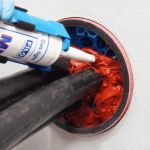 How to Seal Entry Points Around Piping
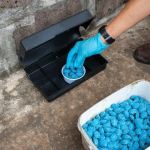 How to Use Long-Term Bait Systems for Rodents
 How to Control Pests During Remodeling Projects
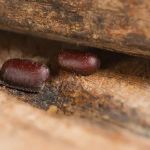 How to Recognize Pest Eggs and Larvae Before It’s Too Late
 How to Use Targeted Barrier Treatments