- 1. Why Region-Specific Pest Control Matters
- 2. Understanding Local Pest Challenges
- 3. Choosing the Right Pest Control Service
- 4. Common Pests by Region
- 5. Tips for Maintaining a Pest-Free Home
1. Why Region-Specific Pest Control Matters
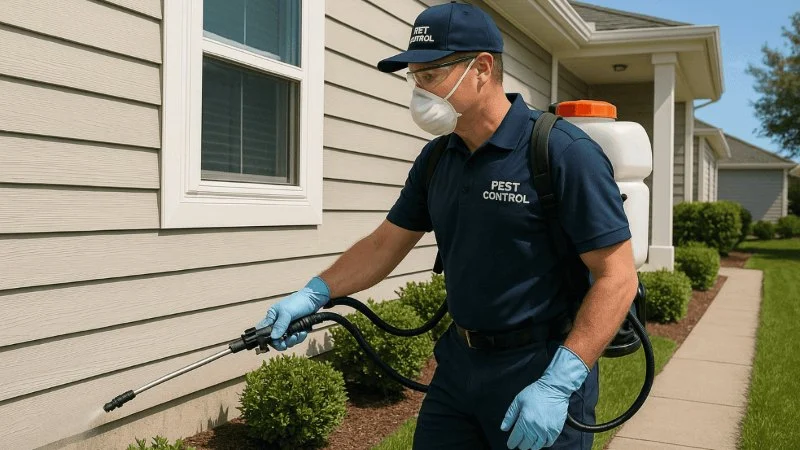
Pest control is not a one-size-fits-all solution, especially when it comes to dealing with pests. The pests you encounter in your home and garden are directly influenced by your region’s climate, environment, and local geography. For example, the pest issues in Florida differ greatly from those in New York, requiring unique approaches and tailored solutions. Understanding how regional factors influence pest control helps you make an informed decision when choosing a service provider and prevention methods.
In this article, we’ll explore why choosing pest control based on your region matters and how it can improve the effectiveness of pest management in your home.
2. Understanding Local Pest Challenges
Different regions of the United States face unique pest challenges due to variations in temperature, humidity, vegetation, and population density. Understanding these factors is key to effective pest control. Here are a few elements that influence local pest problems:
Sure Shot Pest Control
Woodbridge TownshipMiddlesex CountyNew Jersey
267 Amboy Ave, Woodbridge, NJ 07095, USA
2.1 Climate and Weather
Climate plays a critical role in the types of pests that thrive in a particular area. Warm, humid environments, like those in the Southeast, are ideal breeding grounds for pests such as mosquitoes, termites, and cockroaches. Conversely, cooler climates may struggle more with rodents and ants. In regions with harsh winters, pests like bedbugs and spiders may seek warmth indoors during colder months.
2.2 Geography and Vegetation
The natural landscape around your home is another important factor. Urban areas may have different pest issues compared to rural or suburban locations. Areas with abundant plant life can attract pests like termites, carpenter ants, or aphids. Meanwhile, areas with lots of wooded space may experience more issues with rodents and wildlife trying to enter homes.
2.3 Seasonal Variations
Seasonal changes significantly impact pest activity. In the spring, insects like ants and flies become more active. During summer, mosquitos, wasps, and termites are often more noticeable. Fall and winter bring an uptick in rodent infestations as animals seek shelter indoors. Region-specific pest control services will adjust their techniques and treatments based on these seasonal shifts.
3. Choosing the Right Pest Control Service
When choosing a pest control service, it's essential to select one that understands the unique challenges of your area. Here’s what you should consider:
3.1 Experience with Regional Pests
Look for pest control services that specialize in the pests common to your region. For instance, if you live in a humid area, the service should be experienced with treating termites and mold issues. If you're in a dry climate, a service that deals with rodents and insects like ants would be more appropriate. Regional expertise ensures that pest control solutions are both effective and targeted to your needs.
3.2 Eco-Friendly and Safe Methods
Different regions also have varying environmental regulations, so it’s essential to select a pest control service that uses safe, eco-friendly products when necessary. Many areas have laws regulating the use of certain chemicals, particularly in agricultural regions where pesticide runoff could affect the local ecosystem. Choose a company that offers both effective and environmentally responsible solutions.
3.3 Customized Pest Control Plans
The best pest control services will provide customized treatment plans based on local pest challenges. This might involve monthly inspections, seasonal treatments, or targeted strategies for preventing specific pests. Make sure to choose a service that tailors its approach to address the unique needs of your home and region.
4. Common Pests by Region
Understanding which pests are common in your region can help you better prepare and prevent infestations. Here are some common pests based on geographic location:
4.1 Southeast Region
The Southeast is known for its warm, humid climate, which attracts pests like termites, cockroaches, and mosquitoes. Termites, in particular, are a significant concern due to the abundance of wood in homes and the mild winter temperatures that allow them to thrive year-round.
4.2 Northeast Region
The Northeast experiences cold winters, making rodents a common problem. Mice and rats often enter homes seeking warmth. Ants, especially carpenter ants, can also be an issue, as they thrive in wooded areas. In warmer months, mosquitoes can be a significant pest in this region as well.
4.3 West Coast Region
The West Coast, with its dry climate, tends to see more issues with ants, spiders, and rodents. California, in particular, is prone to pests like ants, termites, and the occasional scorpion, especially in desert areas. Coastal regions may also face issues with termites due to high moisture levels.
4.4 Midwest Region
The Midwest experiences all four seasons, with a significant increase in rodent activity during the colder months. As temperatures drop, rats, mice, and squirrels often seek shelter indoors. This region also faces issues with insects like cockroaches and ants, especially in urban areas.
5. Tips for Maintaining a Pest-Free Home
After choosing the right pest control service, it's important to take proactive steps to keep pests at bay. Here are some helpful tips to maintain a pest-free home:
5.1 Seal Entry Points
Inspect your home for any cracks or openings that pests could use to enter. Seal windows, doors, and cracks in the foundation to prevent insects and rodents from getting inside. Installing screens on windows and doors can also help keep pests out, especially during warmer months.
5.2 Keep Your Home Clean
Pests are attracted to food sources, so maintaining a clean home is crucial. Store food in sealed containers, clean up crumbs and spills promptly, and take out the trash regularly. Also, make sure to clean behind appliances and in hard-to-reach places where food can accumulate.
5.3 Regular Inspections
Regular inspections are essential for preventing pest issues. Schedule seasonal checkups with your pest control provider to catch any infestations early. Address any signs of pests as soon as possible to avoid larger problems down the line.
If you're looking for reliable pest control solutions tailored to your region, visit PestControlHub for expert recommendations and services to protect your home from pests.



 Varmint Gone Matthews4.0 (156 reviews)
 Drake Pest Control5.0 (35 reviews)
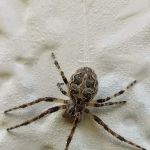 Lakewood Exterminating5.0 (881 reviews)
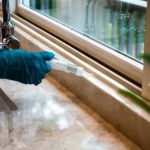 Bug House Pest Control0.0 (0 reviews)
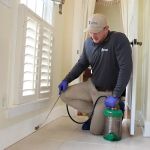 ClearDefense Pest Control5.0 (1730 reviews)
 Moxie Pest Control4.0 (2700 reviews)
 How to Treat Pest Infestations in Attic Insulation
 How to Monitor Pest Trends Locally
 How to Detect Termites Under Slab Foundations
 What to Do Immediately After Spotting a Pest in Your Home: Essential First Steps
 How Crowded Attics Attract Rodents and How to Prevent Infestations
 How to Plan Pest Control in Subdivisions: Effective Strategies for Managing Pests