
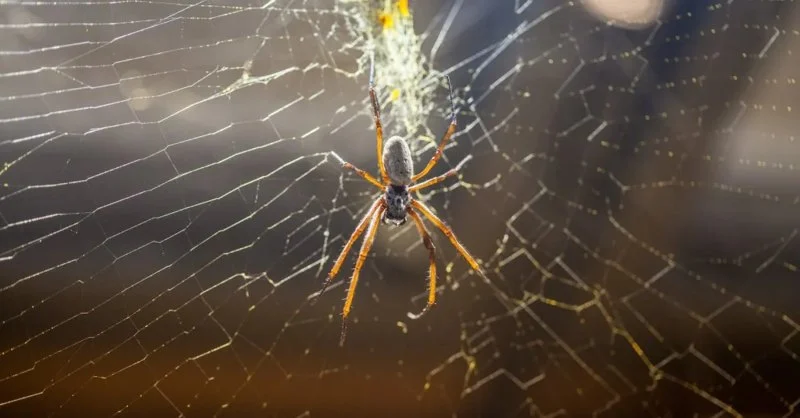
How to Keep Spiders Out of Your Home Year-Round
- Understanding-Spider-Behavior-and-Entry
- Common-Types-of-Spiders-in-Homes
- Spider-Prevention-Tips-for-Your-Home
- Natural-Methods-for-Spider-Control
- When-to-Call-a-Professional-Pest-Control-Service
1. Understanding Spider Behavior and Entry
Keeping spiders out of your home year-round starts with understanding their behavior. Spiders tend to seek shelter in quiet, undisturbed areas that provide food and moisture. They are usually attracted to homes because of the abundance of insects they can feed on, as well as dark, hidden spaces where they can build webs.
1.1 Where Spiders Enter Your Home
Spiders can enter your home through cracks in windows, doors, and walls. They may also enter through open vents, chimneys, or even small gaps around pipes. Some species of spiders, such as the common house spider, can easily travel from the outside to the inside without much effort. Understanding where they can gain access helps you take proactive measures to block these entry points.
1.2 Seasonal Behavior of Spiders
Spiders tend to be more active during certain times of the year. In colder months, they seek warmth indoors, while in warmer weather, they remain outdoors in gardens and under rocks. Therefore, your spider prevention plan should be adapted to the seasons, focusing on sealing entry points before the colder months and maintaining cleanliness year-round to prevent an infestation.
2. Common Types of Spiders in Homes
Not all spiders are harmful, but certain types of spiders are more likely to make their way into your home. Here are some common species of spiders that might be found in houses:
2.1 House Spiders
House spiders are one of the most common types of spiders found indoors. They tend to build webs in corners of rooms, attics, or basements. Although they are generally harmless, house spiders can be a nuisance due to the webs they leave behind.
2.2 Brown Recluse Spiders
The brown recluse is a more dangerous spider species. It is known for its distinctive violin-shaped marking on its back. While bites from brown recluse spiders are rare, they can be serious and require medical attention. These spiders are typically found in hidden spaces, such as basements, closets, and under furniture.
2.3 Black Widow Spiders
Black widow spiders are venomous and can be dangerous to humans. They are usually found in dark, secluded areas, such as sheds, garages, and crawl spaces. A bite from a black widow can cause severe pain, and medical attention should be sought immediately if bitten.
3. Spider Prevention Tips for Your Home
Preventing spiders from entering your home involves a combination of keeping your house clean, sealing entry points, and using effective deterrents. Here are some practical spider prevention tips to keep in mind:
3.1 Seal Entry Points
The first step in preventing spiders is to seal cracks, gaps, and openings in your home. Use caulk to fill in gaps around windows, doors, and baseboards. Repair any holes in screens, and ensure that weather stripping around doors is intact. Check for cracks in walls and the foundation, and use sealants to block these access points.
3.2 Remove Food Sources
Spiders are attracted to homes with an abundance of insects to feed on. To prevent spiders, it’s essential to eliminate the food sources they rely on. Regularly clean your home, vacuuming up dust, cobwebs, and insects that may attract spiders. Pay special attention to kitchens, basements, and attics, where food crumbs are likely to accumulate.
3.3 Use Spider Repellents
Spider repellents can be a useful tool in keeping spiders out of your home. There are many natural and chemical repellents available, including sprays and essential oils like peppermint oil, tea tree oil, and eucalyptus oil. These scents are known to repel spiders, and can be sprayed around windows, doors, and other areas where spiders are likely to enter.
4. Natural Methods for Spider Control
If you prefer eco-friendly ways to deal with spiders, there are several natural methods to deter and control their presence in your home:
4.1 Essential Oils
As mentioned, essential oils like peppermint, tea tree, and lavender are effective at repelling spiders. Mix several drops of essential oil with water and spray it around areas where spiders are commonly seen. These oils not only act as a deterrent but also leave a fresh scent in your home.
4.2 Diatomaceous Earth
Diatomaceous earth is a natural substance made from the fossilized remains of marine organisms. It works by damaging the exoskeleton of spiders and other insects, causing them to dehydrate and die. Sprinkle diatomaceous earth in corners, cracks, and crevices where spiders are likely to hide.
4.3 Vinegar and Water Solution
A mixture of vinegar and water can also deter spiders. The acidity of vinegar disrupts their senses, making it an effective repellent. Spray this solution in areas where you’ve spotted spiders or around entry points to prevent them from entering.
5. When to Call a Professional Pest Control Service
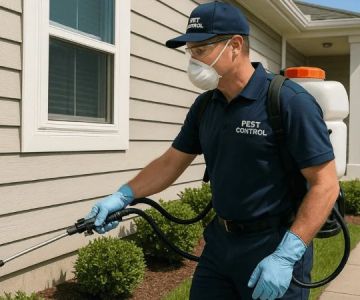
While DIY methods can be effective, some situations may require the help of a professional pest control service, especially if you are dealing with venomous spiders like the brown recluse or black widow. If the infestation is extensive or if spiders are continuously entering your home despite preventive measures, it may be time to call in the experts.
5.1 The Benefits of Professional Pest Control
Professional pest control services have the tools and expertise to eliminate spider infestations at their source. They can assess the extent of the infestation, identify potential entry points, and use targeted treatments to remove spiders from your home. Additionally, they can provide long-term solutions to prevent future infestations and offer guidance on keeping your home spider-free year-round.
Keeping spiders out of your home year-round is achievable with a combination of preventive measures, cleaning, and sealing entry points. By following the tips provided and understanding spider behavior, you can create a comfortable, spider-free environment. Whether through natural methods or professional pest control services, staying proactive in your approach will help maintain your home as a safe and comfortable space for you and your family.


 Evolution Pest Solutions3.0 (3 reviews)
 Kane Exterminating Corp.4.0 (16 reviews)
 CatchPro Nuisance Wildlife Control4.0 (43 reviews)
 Pest Assassins5.0 (28 reviews)
 Wildlife Exterminator Baltimore4.0 (11 reviews)
 Ross Termite Inspections, LLC5.0 (4 reviews)
 How to Protect Your Home from Termites During Drought
 How to Interpret Your Home’s Pest Report: A Guide to Understanding Pest Activity
 How to Create a Pest-Resistant Garden
 How to Inspect for Pests After Heavy Rain | PestControlHub
 How to Use Heat Ventilation to Deter Insects
 How to Control Pests in Underground Crawl Spaces: A Comprehensive Guide