
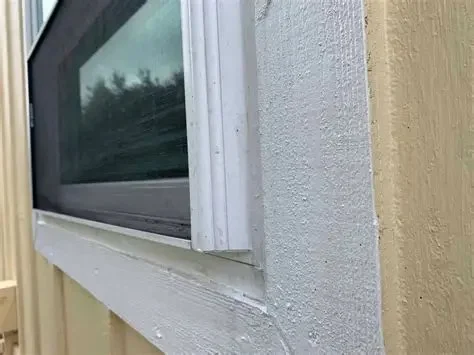
Why Pest Entry Points Around Windows Are Important
Windows are common entry points for pests trying to invade your home. These openings, while essential for ventilation and natural light, can also create easy access for a wide range of insects and rodents. Gaps, cracks, or damaged seals around windows can allow pests such as ants, mosquitoes, cockroaches, and rodents to enter your living spaces, leading to potential infestations and property damage.
Blocking these entry points not only helps maintain a clean and pest-free environment, but it also ensures that your home remains safe from the damage that pests can cause. In this article, we’ll discuss why pest entry points around windows are a concern, how to identify them, and how to block these gaps effectively to prevent pest invasions.
Rid-All Pest Control Co Inc
JacksonvilleMorgan CountyIllinois
1706 W Morton Ave, Jacksonville, IL 62650, USA
Common Pests That Enter Through Windows
Several pests are known to seek entry through windows. By identifying the specific types of pests that are active in your area, you can take targeted action to prevent them from gaining access to your home. Here are some of the most common pests that enter through windows:

Gilmore's Termite & Pest Control INC.
CharlestonCharleston CountySouth Carolina
3126 Winners Cir, Charleston, SC 29414, USA
1. Ants
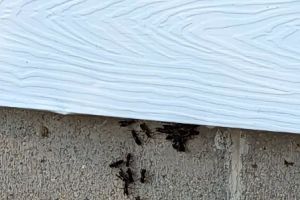
Ants are notorious for sneaking through tiny cracks in window frames. They often enter searching for food or water. Once they gain entry, they can quickly establish colonies inside the walls or behind windows, causing an ongoing problem if not addressed.
2. Cockroaches
Cockroaches are resilient pests that can slip through gaps and cracks around windows. They are drawn to dark, damp environments and can enter through even the smallest openings. Once inside, they can spread bacteria and allergens, posing health risks to your family.
3. Rodents
Rats and mice are excellent climbers and can squeeze through very small gaps around window frames. They are often in search of warmth, food, and shelter. Rodents can damage your insulation, wiring, and wooden structures, leading to significant repair costs if not kept out.
4. Flies and Mosquitoes
Flies and mosquitoes are drawn to the warmth and light inside your home. They often enter through open or improperly sealed windows. Mosquitoes can be particularly problematic, as they can carry diseases such as Zika or West Nile virus.
5. Spiders
Spiders tend to seek shelter inside homes during colder months. Cracks and gaps in window frames provide an easy entry for spiders looking for a cozy corner to build webs. Though most spiders are harmless, their presence can be unnerving, and some species may even be dangerous.
How to Identify Pest Entry Points Around Windows
Identifying pest entry points is crucial to blocking them effectively. Here’s how to spot potential openings that pests may use to enter your home through windows:
1. Inspect the Window Frames
Examine the window frames for visible cracks, holes, or gaps where pests could squeeze through. Pay special attention to corners and edges, where weathering can cause the seals to deteriorate over time. Look for any signs of wear and tear on the weather stripping as well.
2. Check Window Seals
Windows should have tight seals to prevent drafts and pest entry. If you notice that the seals are cracked or missing in places, this could be an entry point for pests. Over time, the rubber or silicone seals around windows can wear out, allowing pests easy access.
3. Look for Trails or Droppings
Look for trails of ants or other insects leading to and from the windows. You may also notice droppings or other pest-related debris around the window area. These signs can help you identify which types of pests are entering your home and where they’re gaining access.
4. Listen for Pests
If you’re hearing scratching, scurrying, or buzzing sounds near your windows, it’s a sign that pests may be trying to enter. Pay attention to these sounds, especially at night when rodents or insects are most active.
Ways to Block Pest Entry Points Around Windows
Now that you’ve identified potential pest entry points, here are some effective methods to block them:
1. Seal Cracks and Gaps
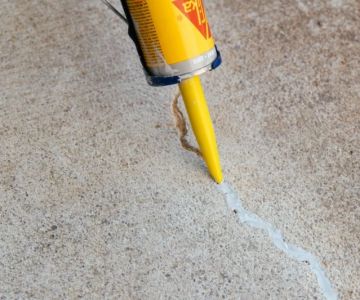
Use caulk or sealant to fill in any cracks or gaps around the window frame. This is an inexpensive and effective way to close off small openings where pests could enter. Make sure to choose a sealant that is suitable for outdoor use and is weatherproof to ensure it lasts long-term.
2. Replace Damaged Weather Stripping
If your weather stripping is worn out or damaged, it’s important to replace it. New weather stripping will help prevent air leaks and pest entry. You can purchase weather stripping at most home improvement stores and install it yourself with minimal effort.
3. Install Window Screens
Installing window screens is an easy way to keep pests like flies, mosquitoes, and other insects out while still allowing fresh air into your home. If your current screens are torn or damaged, replace them with new ones to ensure they are effective at blocking pests.
4. Use Pest-Repellent Products
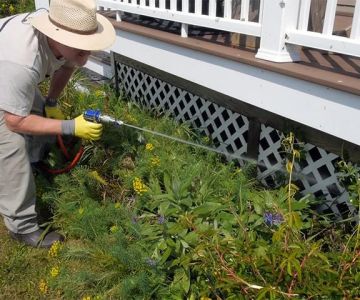
There are a variety of natural pest-repellent products available, such as essential oils or chemical sprays. Applying these products around your windows can deter pests from attempting to enter your home. Essential oils like peppermint or citronella are especially effective for repelling insects.
Additional Tips to Keep Pests Out
Here are some additional tips to further reduce the risk of pest entry into your home:
1. Maintain a Clean Exterior
Keep the exterior of your home clean and free of debris. Trim back trees and shrubs near windows, as they can provide easy access for pests. Regularly inspect your window screens and seals to ensure they remain intact.
2. Install Tight-Fitting Window Covers
If your windows are particularly old or prone to damage, consider installing storm windows or additional window coverings that provide extra protection from pests.
3. Reduce Attractants
Make sure there are no food scraps or trash near windows that might attract pests. Additionally, close off entry points to your home’s interior, such as gaps in the foundation or roof, to prevent pests from finding other ways inside.
Real-Life Examples of Successful Pest Exclusion
Here are some examples of homeowners who successfully blocked pest entry points around their windows:
Case Study 1: Rodent Proofing in a Suburban Home
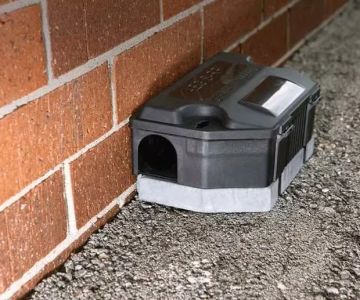
A family in California noticed signs of rodent activity near their kitchen windows. After sealing cracks and replacing the weather stripping, they set traps to catch any remaining pests. After a few weeks of monitoring, the family reported no further sightings of rodents in the kitchen or surrounding areas.
Case Study 2: Insect Prevention in an Urban Apartment
An urban apartment owner in New York City had a persistent issue with mosquitoes entering through a small gap in the window frame. By sealing the gap and applying citronella oil around the window, they were able to keep mosquitoes out and enjoy their evenings without the nuisance of bites.
Recommendations from PestControlHub
If you’re looking for the best products to help seal pest entry points and protect your home, visit PestControlHub. We offer a variety of pest exclusion products, including sealants, pest-repellent sprays, and window screens. Our team of experts can help you find the right solutions to keep your home safe from pests.


 Arrow Exterminators4.0 (235 reviews)
 Amazing Pest Control4.0 (39 reviews)
 Regal Exterminators5.0 (3 reviews)
 Palmetto Termite Co5.0 (1 reviews)
 Herritt's Pest Control4.0 (18 reviews)
 Effective Pest Control3.0 (31 reviews)
 How to Use Heat Ventilation to Deter Insects
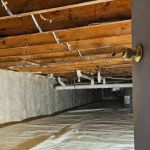 How to Keep Pests Out of Your Crawl Space: Expert Tips for Prevention
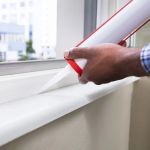 How to Seal Gaps at Door Bottoms to Block Insects
 How to Use Traps in Basements vs Attics: Key Differences and Tips
 How to Safely Use Heat Treatments for Bed Bugs
 How to Get Rid of Bed Bugs Without Poisoning Your Home: Safe and Effective Solutions