

understanding-barrier-sprays - what they are and how they work
why-strategy-matters-in-pest-control - common mistakes homeowners make
key-areas-to-apply-barrier-sprays - targeting pest entry points effectively
timing-and-seasonal-application - when barrier sprays work best
real-home-pest-control-examples - lessons from homeowners
building-a-long-term-pest-prevention-plan - maintaining a pest-free environment
1. Understanding What Barrier Sprays Are and How They Work
For many homeowners, pest control begins only after insects or other pests become visible inside the home. However, professional pest management strategies often focus on prevention rather than reaction. One of the most effective preventive tools used by pest control professionals is the barrier spray.
Homeowners researching How to Use Barrier Sprays Strategically often want to stop insects before they enter the home. Barrier sprays create a treated perimeter around structures that deters or eliminates pests attempting to cross into living spaces.

1.1 The Basic Principle of Barrier Treatments
Barrier sprays work by applying pest control products to specific areas where insects are likely to travel or attempt entry.

Wildlife Exterminator Baltimore
WoodlawnBaltimore CountyMaryland
1705 Whitehead Rd # 130, Gwynn Oak, MD 21207, USA
1.1.1 Exterior protection
Most barrier treatments are applied around the outer foundation of the house.
1.1.2 Targeted insect contact
When pests encounter treated surfaces, the product disrupts their activity and reduces their ability to enter the home.
1.2 Why Barrier Sprays Are Popular in Residential Pest Control
Compared to reactive pest treatments, barrier sprays offer a proactive approach.
1.2.1 Preventive protection
They stop many pests before infestations develop indoors.
1.2.2 Long-lasting coverage
Many products continue working for weeks when applied properly.
When used strategically, barrier sprays can significantly reduce the likelihood of common household pests such as ants, spiders, and roaches.
2. Why Strategy Matters When Applying Barrier Sprays
Although barrier sprays are widely available, improper use can reduce their effectiveness. Simply spraying random areas around the yard rarely produces reliable results.
2.1 Overusing Products in the Wrong Areas
Some homeowners believe that applying more product automatically improves pest control.
2.1.1 Unnecessary application
Spraying large open areas where pests rarely travel wastes product.
2.1.2 Environmental impact
Excessive use can affect beneficial insects or nearby plants.
2.2 Ignoring Pest Behavior Patterns
Effective pest control requires understanding how insects move and where they typically enter homes.
2.2.1 Travel pathways
Many pests follow edges, cracks, and shaded areas.
2.2.2 Hidden entry points
Gaps around windows, doors, and utility lines often become access routes.
Applying barrier sprays strategically means focusing on the areas where pests naturally travel.
3. Key Areas Where Barrier Sprays Should Be Applied
Learning How to Use Barrier Sprays Strategically involves identifying the locations where pests most commonly attempt to enter homes.
3.1 The Exterior Foundation
The foundation line is one of the most important treatment zones.
3.1.1 Ground-level perimeter
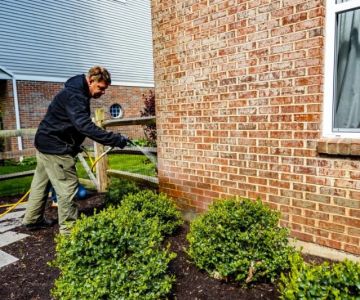
A continuous barrier around the base of the house can block crawling insects.
3.1.2 Soil and siding contact
Applying treatments where the soil meets exterior walls helps intercept pests before they reach entry points.
3.2 Doors and Window Frames
Small openings around doors and windows often become access points for insects.
3.2.1 Door thresholds
Ants and other insects frequently enter beneath door gaps.
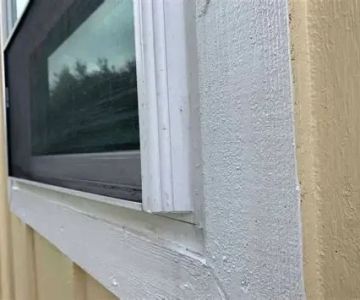
3.2.2 Window edges
Window frames can develop small cracks where pests hide.
3.3 Utility Lines and Structural Openings
Pipes, cable lines, and air conditioning units create small structural gaps.
These openings often provide unnoticed entry routes for insects and should be included in barrier treatments.
Homeowners exploring pest prevention techniques and professional solutions often review information available through PestControlHub, where individuals can discover pest control tools, service options, and prevention strategies.
4. Timing and Seasonal Application for Maximum Effectiveness
The effectiveness of barrier sprays often depends on when they are applied.
4.1 Early Season Prevention
Applying barrier sprays in early spring can prevent insects from establishing nests near the home.
4.1.1 Emerging insects
Many pests become active as temperatures rise.
4.1.2 Nest development
Early treatments reduce the likelihood of seasonal infestations.
4.2 Mid-Summer Reinforcement
During warmer months, insect activity typically increases.
Reapplying treatments can strengthen protective barriers around the home.
4.3 Fall Preparation
As temperatures drop, many insects begin searching for indoor shelter.
Barrier sprays applied during fall help prevent pests from entering homes before winter.
5. Real Homeowner Experiences with Strategic Barrier Treatments
Real-world experiences often illustrate how strategic pest control can make a significant difference.
5.1 Preventing an Ant Infestation
A homeowner in Georgia noticed small ant trails appearing in the kitchen each summer. Instead of treating the problem indoors repeatedly, a pest technician applied barrier treatments around the exterior foundation and entry points.
The following season, the ants never reached the kitchen because they encountered the barrier outdoors.
5.2 Managing Spider Activity Around a Garage
Another homeowner struggled with spider webs forming near the garage door and outdoor lighting fixtures.
After applying targeted barrier treatments along the garage perimeter and nearby wall corners, the spider activity decreased significantly within weeks.
These examples show how proper placement and timing can dramatically improve results.
6. Building a Long-Term Pest Prevention Strategy
Barrier sprays are most effective when combined with other preventive measures.
6.1 Reducing Attractants Around the Home
Pests are often drawn to food sources, moisture, and shelter.
6.1.1 Managing outdoor debris
Removing leaf piles and yard clutter reduces hiding places.
6.1.2 Controlling moisture
Fixing leaks and improving drainage helps eliminate conditions that attract insects.
6.2 Sealing Structural Gaps
Physical prevention can reinforce chemical barriers.
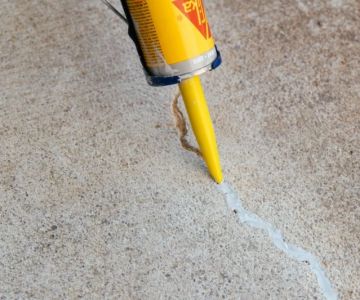
Sealing cracks, installing door sweeps, and repairing damaged screens can significantly reduce pest entry points.
6.3 Seeking Professional Guidance
In some cases, persistent pest problems may require professional expertise.
Homeowners interested in pest control strategies often explore resources available through PestControlHub, where they can learn about pest prevention tools, treatment methods, and professional service options.
Understanding How to Use Barrier Sprays Strategically allows homeowners to take a proactive approach to pest control. By targeting key areas, applying treatments at the right time, and combining prevention strategies, it becomes possible to create a protective barrier that keeps homes comfortable and pest-free.

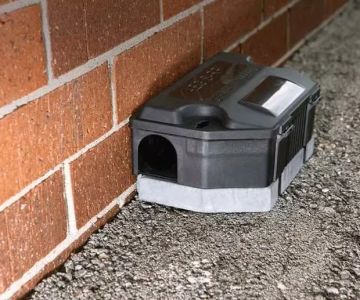
 Clegg’s Termite & Pest Control - Southport4.0 (469 reviews)
 Ace Walco Pest Control5.0 (30 reviews)
 ohDEER South Shore5.0 (812 reviews)
 Greenix Pest Control4.0 (2247 reviews)
 Terminix4.0 (307 reviews)
 Bug Out Exterminating Company5.0 (3 reviews)
 How to Use Low Toxic Baits in Sensitive Zones
 How to Prevent Pest Intrusion via Landscaping: Tips and Strategies
 How to Conduct a Pest Risk Assessment at Home – Expert Guide
 What Home Buyers Should Know About Pests Before Closing
 How to Get Rid of Bed Bugs Without Poisoning Your Home: Safe and Effective Solutions
 How to Assess Pest Pressure in New Neighborhoods