
- -Understanding Crawlspace Vent Covers and Why They Matter
- -Common Pests That Invade Crawlspace Vents
- -How to Keep Pests Out of Crawlspace Vent Covers Step by Step
- -Real Homeowner Case Study and Lessons Learned
- -Best Materials and Long-Term Prevention Strategies
- -When to Call Professionals and Where to Get Help
1. Understanding Crawlspace Vent Covers and Why They Matter
Many homeowners underestimate how vulnerable their crawlspaces are. The moment you walk around your house and notice those small vent openings along the foundation, it’s easy to assume they’re harmless. But these openings are often the main entry points for pests.
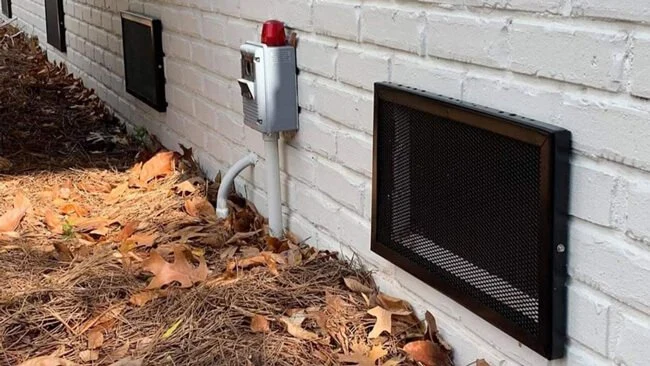
Crawlspace vent covers are designed to regulate airflow, prevent moisture buildup, and protect structural components. However, when they are damaged, poorly installed, or outdated, they become an open invitation to rodents, insects, and even small reptiles.
Understanding how to keep pests out of crawlspace vent covers starts with recognizing that these vents are not just passive features—they are active defense points in your home’s protection system.

Certified Restoration and Squeaky Peak
3606 Venice Rd # 1, Sandusky, OH 44870, USA
1.1 Why Vent Covers Fail Over Time
Over time, metal screens rust, plastic vents crack, and gaps form around the edges. Weather conditions, especially in humid or storm-prone areas of the U.S., accelerate this deterioration.
Ford's Hometown Services
WorcesterWorcester CountyMassachusetts
549 Grove St, Worcester, MA 01605, USA
1.2 The Hidden Cost of Ignoring Vent Protection
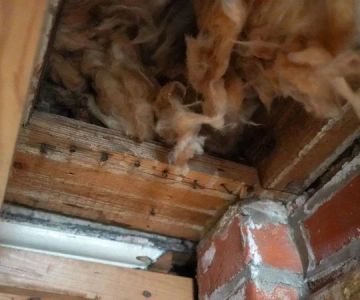
When pests enter your crawlspace, they don’t just stay there. They chew wires, damage insulation, and can even create pathways into your living areas. What starts as a small entry point can turn into thousands of dollars in repairs.
2. Common Pests That Invade Crawlspace Vents
To effectively solve the problem, you need to know your enemy. Different pests exploit crawlspace vent covers in different ways.
2.1 Rodents and Small Mammals
Mice, rats, and squirrels are incredibly resourceful. They can squeeze through openings as small as a coin and chew through weak materials.
2.2 Insects and Colonies
Termites, ants, and spiders are drawn to the dark, damp environment of crawlspaces. Once inside, they can build nests that are difficult to detect until significant damage is done.
2.3 Moisture-Loving Intruders
Silverfish, cockroaches, and even mold thrive in poorly ventilated or unprotected crawlspaces, compounding both pest and air quality issues.
3. How to Keep Pests Out of Crawlspace Vent Covers Step by Step
If you’re serious about long-term protection, a layered approach works best. Here’s how to keep pests out of crawlspace vent covers in a way that actually lasts.
3.1 Inspect and Identify Weak Points
Start by walking around your home and checking every vent. Look for rusted mesh, loose frames, or visible gaps. Even a small opening can become a major entry point.
3.2 Install Heavy-Duty Vent Screens
Replace weak materials with galvanized steel mesh or hardware cloth. These are much harder for rodents to chew through and can withstand harsh weather conditions.
3.3 Seal Gaps Around the Frame
Use exterior-grade caulk or foam sealant to close any gaps between the vent cover and the foundation. This step is often overlooked but is critical for complete protection.
3.4 Upgrade to Pest-Proof Vent Covers
Modern crawlspace vent covers come with built-in pest resistance features. These include reinforced frames and fine mesh screens designed specifically to block insects and rodents.
3.5 Maintain Proper Ventilation Balance
While sealing out pests, you still need airflow. Improper sealing can trap moisture, leading to mold and structural damage. The goal is controlled ventilation—not complete closure.
For homeowners looking for reliable solutions and product recommendations, PestControlHub offers a range of options tailored to different climates and home types.
4. Real Homeowner Case Study and Lessons Learned
A homeowner in North Carolina shared a story that highlights how quickly things can escalate. After ignoring a slightly bent crawlspace vent cover, they began hearing scratching noises under the house.
Within weeks, a family of rats had nested inside the crawlspace, chewing through insulation and even damaging HVAC ductwork. The repair bill exceeded $4,000.
4.1 What Went Wrong
The original vent cover had a small gap—less than an inch wide. That was enough for rodents to squeeze through and expand the opening.
4.2 What Fixed the Problem
After replacing all vent covers with steel-reinforced versions and sealing every edge, the issue was completely resolved. Regular inspections were also added to their seasonal home maintenance routine.
4.3 Key Takeaway
Prevention is always cheaper than repair. Even minor damage to crawlspace vent covers should be addressed immediately.
5. Best Materials and Long-Term Prevention Strategies
Choosing the right materials can make the difference between a one-time fix and a long-term solution.
5.1 Galvanized Steel vs Plastic
Plastic vent covers are affordable but easily damaged. Galvanized steel offers superior durability and resistance to chewing pests.
5.2 Fine Mesh Screens
For insect prevention, opt for screens with smaller openings. This helps block even tiny invaders like termites and ants.
5.3 Seasonal Maintenance Routine
Make it a habit to inspect crawlspace vent covers at least twice a year—once before winter and once before summer. This ensures you catch issues before they escalate.
5.4 Landscaping Considerations
Keep plants, mulch, and debris away from vent openings. Overgrown vegetation creates hiding spots and easy access points for pests.
Many homeowners overlook this step, but maintaining a clean perimeter is just as important as installing strong vent covers.
6. When to Call Professionals and Where to Get Help
Sometimes, DIY solutions aren’t enough—especially if pests have already established a presence.
6.1 Signs You Need Expert Help
If you notice droppings, persistent odors, or ongoing noises beneath your home, it’s time to call a professional pest control service.
6.2 Integrated Pest Management Approach
Professionals often use a combination of sealing, trapping, and environmental adjustments to ensure pests don’t return.
6.3 Finding Reliable Solutions
Whether you’re upgrading your vent covers or dealing with an active infestation, PestControlHub can help you explore trusted products and services that fit your needs.
Keeping pests out of crawlspace vent covers isn’t just about one fix—it’s about building a system that protects your home year-round. With the right materials, consistent maintenance, and a proactive mindset, you can eliminate one of the most common entry points pests rely on.




 Silver Bullet Pest Control Services0.0 (0 reviews)
 Advantage Termite and Pest Control4.0 (67 reviews)
 Northwest Exterminating - Gainesville4.0 (130 reviews)
 Appalachian Pest Control5.0 (490 reviews)
 Main Street Pest Control5.0 (39 reviews)
 Arrow Exterminators4.0 (331 reviews)
 How to Monitor Pest Return After Rainy Seasons
 How to Use Targeted Barrier Treatments for Effective Pest Control
 How Tree Limbs and Shrubs Can Invite Pests
 How to Monitor Pest Pressure in Foundation Footprint: A Complete Guide
 How to Safely Use Fumigation Methods: A Comprehensive Guide for Homeowners
 How to Control Fire Ants in Your Yard | Proven Methods and Solutions