
How to Prevent Pest Return During Rainy Periods
- why-pests-return-during-rainy-weather
- identifying-moisture-prone-areas-around-your-home
- effective-home-sealing-and-prevention-methods
- outdoor-maintenance-to-reduce-pest-attraction
- real-homeowner-experiences-and-prevention-lessons
1. Why Pests Return During Rainy Weather
Understanding how to prevent pest return during rainy periods starts with recognizing why wet weather encourages pest activity. Heavy rainfall often forces insects and rodents to search for dry shelter, which frequently leads them toward homes, garages, and basements.

1.1 Moisture Creates Ideal Pest Conditions
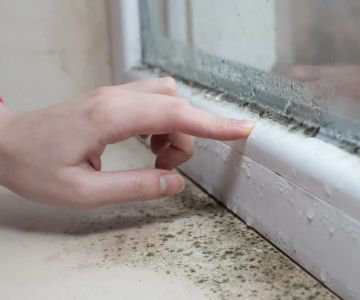
Many pests thrive in damp environments. Cockroaches, ants, and termites are particularly attracted to moisture, which can accumulate around foundations or inside walls.

American Pest Control, Inc.
Hanna CityPeoria CountyIllinois
14003 W Farmington Rd, Hanna City, IL 61536, USA
1.2 Flooded Nests Drive Pests Indoors
During long rainy periods, outdoor pest nests may become flooded. When this happens, pests often relocate to higher and drier locations, including indoor spaces.
1.3 Temperature and Shelter Factors
Rainy weather can also reduce outdoor food availability, prompting pests to search for warmth and food sources inside homes.
2. Identifying Moisture-Prone Areas Around Your Home
Preventing pest return requires identifying areas where water accumulates or moisture persists.
2.1 Foundation and Basement Areas
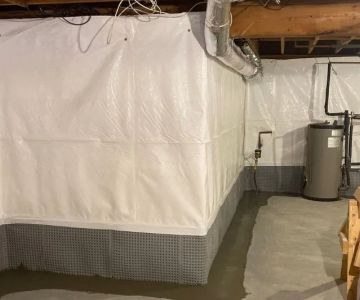
Cracks in foundations or poorly sealed basement walls can allow pests to enter while also trapping moisture.
2.2 Roof and Gutter Systems
Clogged gutters or damaged roof sections may cause water to flow down exterior walls, creating damp conditions that attract insects.
2.3 Outdoor Drainage Problems
Improper yard drainage can lead to standing water near the home, which encourages pest activity.
3. Effective Home Sealing and Prevention Methods
Once potential problem areas are identified, preventive steps can greatly reduce pest entry.
3.1 Sealing Cracks and Gaps
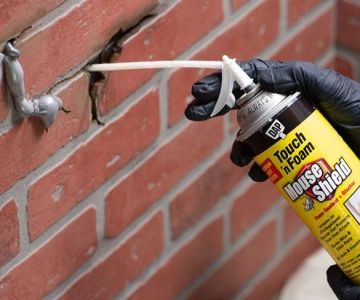
Using weather-resistant sealants around doors, windows, and foundation cracks helps prevent pests from entering.
3.2 Installing Door Sweeps and Screens
Door sweeps and tight-fitting window screens block small openings that insects and rodents may use during rainy weather.
3.3 Maintaining Dry Indoor Spaces
Dehumidifiers or proper ventilation can reduce indoor moisture levels, making the environment less attractive to pests.
4. Outdoor Maintenance to Reduce Pest Attraction
Managing outdoor spaces is just as important as sealing indoor entry points.
4.1 Keeping Vegetation Trimmed
Shrubs and plants growing close to the house can provide shelter for pests. Maintaining clear space around walls helps discourage nesting.
4.2 Managing Yard Debris
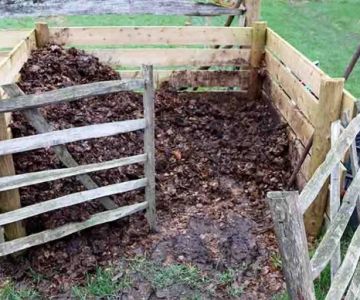
Leaves, mulch piles, and wood stacks near the home can trap moisture and create ideal hiding spots for pests.
4.3 Improving Yard Drainage
Ensuring proper drainage away from the home reduces standing water and helps prevent pest breeding areas.
5. Real Homeowner Experiences and Prevention Lessons
Many homeowners only realize the connection between rainy weather and pest activity after encountering repeated infestations.
5.1 A Basement Ant Problem After Heavy Rain
One homeowner noticed a sudden increase in ants entering their basement during a prolonged rainy week. After identifying small cracks near the foundation and improving drainage, the issue gradually disappeared.
5.2 Lessons from Pest Control Professionals
Pest professionals frequently emphasize that moisture control and proper sealing are two of the most effective strategies for preventing pest problems.
5.3 Finding Reliable Pest Prevention Resources
Homeowners searching for practical pest management advice often explore reliable resources and guides. Platforms like PestControlHub provide helpful insights on pest prevention techniques, home inspections, and effective pest management strategies.
Learning how to prevent pest return during rainy periods helps homeowners maintain a healthier and more comfortable living environment. By controlling moisture, sealing entry points, and maintaining outdoor areas, it becomes much easier to prevent pests from returning during wet weather.

 Orkin4.0 (963 reviews)
 Arrow Exterminators4.0 (280 reviews)
 Romans Pest Management LLC4.0 (38 reviews)
 Rainbow Restoration of Greater Portland5.0 (51 reviews)
 A. Aardvark Pest Control Corporation5.0 (16 reviews)
 Four Seasons Landscape Management5.0 (59 reviews)
 How to Keep Pest Control Efficient Year After Year
 How Tree Limbs and Shrubs Can Invite Pests into Your Garden
 How to Detect Termites Under Slab Foundations
 How to Prevent Pest Spread via Air Vents
 How to Use Low Toxic Baits in Sensitive Zones
 Why Pests Are More Active After Rain