- 1. Why Pest Control is Important for Compost and Mulch
- 2. Tips for Preventing Pests in Compost and Mulch Piles
- 3. Real-Life Example: How Proper Management Reduced Pest Problems in My Garden
- 4. Recommended Products to Control Pests in Compost and Mulch
1. Why Pest Control is Important for Compost and Mulch
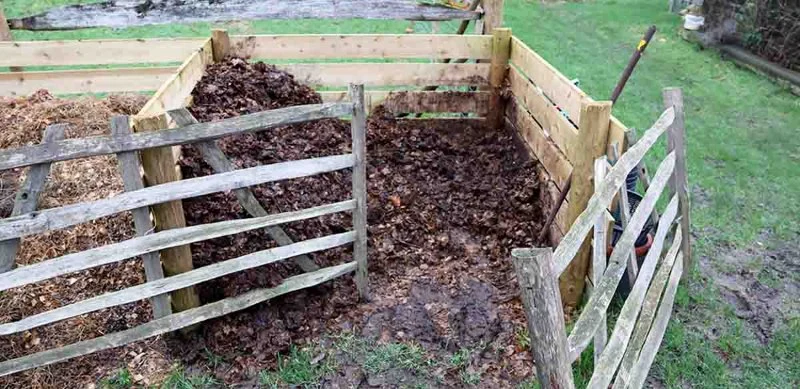
Composting and mulching are great practices for enriching soil, recycling organic waste, and improving garden health. However, they can also attract unwanted pests such as rodents, flies, and other insects. Pests in compost and mulch piles not only disrupt the composting process but can also spread diseases and create unpleasant odors in your garden. Managing and preventing pests is key to maintaining a healthy and odor-free composting environment.

1.1 The Risks of Pests in Compost and Mulch
While decomposing organic material in compost piles can attract beneficial insects, it can also bring in harmful pests. For example, rodents such as rats and squirrels are often drawn to food scraps in compost piles, which can lead to contamination and spreading of diseases. Flies, especially fruit flies and houseflies, may lay eggs in the compost, causing maggots to appear. Moreover, the presence of pests can cause an unpleasant smell, making your garden less inviting.
2. Tips for Preventing Pests in Compost and Mulch Piles
By following a few simple guidelines, you can minimize the attraction of pests to your compost and mulch piles, ensuring that your composting efforts are effective and that your garden remains healthy. Here are some useful tips:
2.1 Avoid Adding Meat, Dairy, and Oils to Compost
One of the most effective ways to prevent pests from being attracted to your compost is to avoid adding meat, dairy products, and oils. These food items are highly attractive to rodents and other animals. Stick to composting fruit and vegetable scraps, coffee grounds, eggshells, and yard waste, which are less likely to draw in pests.
2.2 Turn the Compost Regularly
Turning your compost pile regularly is crucial to keeping it healthy and pest-free. By aerating the pile, you speed up the decomposition process and discourage the growth of pests like maggots and flies. Turning the compost also helps to redistribute the heat, which can kill off pests and bacteria that may be present in the pile.
2.3 Use a Compost Bin with a Lid
One of the most effective ways to keep pests out of your compost is to use a sealed compost bin. Bins with tight-fitting lids are ideal for keeping rodents and other pests from accessing the compost pile. If you prefer a traditional open compost pile, consider enclosing it with wire mesh or using a composter with a lid that can be easily opened for turning.
2.4 Add Dry Material to Balance the Moisture
Compost piles that are too wet can attract pests such as flies and rodents. A moist, smelly compost pile is a perfect breeding ground for unwanted insects. To maintain a healthy, balanced compost pile, add dry materials like leaves, straw, or shredded paper to absorb excess moisture. This will help maintain an ideal composting environment while reducing the risk of attracting pests.
2.5 Keep the Area Around the Pile Clean
Maintaining a clean area around your compost and mulch piles is essential to preventing pest attraction. Clear away any food scraps, fallen fruit, or other organic material near the compost pile, as these can serve as additional food sources for pests. Also, make sure to regularly rake up leaves or mulch to avoid creating hidden spaces for rodents or insects to nest.
2.6 Cover the Compost with a Layer of Mulch
Covering your compost pile with a layer of mulch or straw helps control odors and prevents pests from accessing the material. Mulch can also help maintain moisture levels, keeping the compost from drying out. This layer acts as a natural deterrent to pests while keeping the compost pile healthy and active.
3. Real-Life Example: How Proper Management Reduced Pest Problems in My Garden
Let’s take a look at Sarah, who had been struggling with pests in her garden due to a poorly managed compost pile. She would often find rodents digging through her compost, as well as an overwhelming presence of flies and maggots. After researching pest prevention tips, Sarah decided to make a few changes. She switched to a compost bin with a secure lid, stopped adding meat and dairy products, and started turning the pile regularly. Over time, her pest problem significantly decreased, and the composting process became much smoother. Sarah's story demonstrates how simple changes can make a big difference in managing pests in compost piles.
4. Recommended Products to Control Pests in Compost and Mulch
If you're looking to manage pests in your compost and mulch piles, here are some helpful products that can make the process easier and more effective:
4.1 Pest-Proof Compost Bins
Investing in a high-quality compost bin with a lid or mesh lining can help prevent pests from accessing your compost. Look for bins that are specifically designed to keep rodents and insects out while providing proper ventilation for the composting process.
4.2 Wire Mesh Fencing
If you prefer an open compost pile, using wire mesh fencing around the area can keep larger pests, like raccoons and squirrels, out. This fencing also provides a barrier that lets the compost “breathe” while keeping pests at bay.
4.3 Organic Pest Repellents
There are many natural pest repellents available that can help keep unwanted insects away from your compost and mulch. Look for organic sprays or granules made with ingredients like neem oil, garlic, or diatomaceous earth. These products are safe for plants and animals while effectively repelling pests.
To find more products designed to protect your compost from pests, visit PestControlHub for a wide range of pest management solutions, including compost bins, repellents, and more.
By following these tips and using the right products, you can keep your compost and mulch piles free from pests, making your garden healthier and more productive. With proper management, composting and mulching can continue to be effective and eco-friendly practices that benefit both your garden and the environment.


 Western Pest Services4.0 (293 reviews)
 Elite Pests Control LLC4.0 (17 reviews)
 Branch Exterminating Co., Inc.4.0 (28 reviews)
 Palmetto Pest Control Termite & Moisture Solutions, LLC4.0 (79 reviews)
 Magna Pest Solutions4.0 (491 reviews)
 Virginia Pest Management5.0 (33 reviews)
 How to Prevent Pest Intrusions at Door Frames: Essential Tips for Homeowners
 How to Safely Relocate Wildlife (Skunks, Opossums, Birds): A Comprehensive Guide
 How to Monitor Pest Conditions in Crawlspaces
 How to Keep Wasps Away From Garage Openings
 How to Control Fire Ants in Your Yard | Proven Methods and Solutions
 How to Deal With Pest Issues Near Pools