

1. Why Sealing Gaps Around Utility Lines Is Essential for Pest Prevention
- Why Sealing Gaps Matters
- How to Identify Gaps Around Utility Lines
- Best Tips for Sealing Utility Line Gaps
- Materials You Need to Seal Utility Lines
2. Why Sealing Gaps Matters for Pest Control
Utility lines—such as gas, water, and electrical lines—are vital to the functioning of your home, but they can also provide an entry point for pests. Gaps and cracks around these lines can give insects, rodents, and other pests easy access into your home, where they can cause damage and pose health risks.
One example of this is a recent case where a homeowner discovered rodents entering through gaps around their utility lines, leading to significant damage in their attic. Sealing these gaps not only prevents pests from getting inside but also helps improve your home's energy efficiency by preventing drafts and heat loss. By addressing these gaps, you create a more secure and comfortable living environment.

Olympic Exterminators & Pest Control
SayrevilleMiddlesex CountyNew Jersey
515 Washington Rd, Parlin, NJ 08859, USA
3. How to Identify Gaps Around Utility Lines
Identifying gaps around utility lines can be relatively simple if you know where to look. Start by inspecting areas where utility lines enter your home. These may include the walls near water pipes, electrical cables, gas lines, and ventilation ducts. Pay special attention to cracks and holes, which can often be unnoticed during routine maintenance.
Additionally, check areas like basements, attics, and crawl spaces, as these are common places where pests like rodents and insects may enter. A simple flashlight inspection may reveal hidden gaps that are not immediately visible to the naked eye. Be thorough and check both interior and exterior areas where utility lines pass through your walls and foundation.

4. Best Tips for Sealing Utility Line Gaps
Once you've identified gaps around your utility lines, it's time to seal them effectively. Here are some of the best methods for pest prevention:
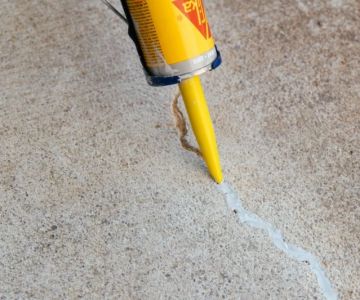
- Use Caulk or Sealant: For smaller gaps, caulking or applying a silicone sealant is an easy and effective solution. Simply fill the gap with caulk and smooth it out with a putty knife.
- Install Foam Insulation: Expanding foam is ideal for larger gaps, especially around pipes and ducts. It expands to fill the space and hardens, creating a solid barrier against pests.
- Apply Steel Wool: For rodents, steel wool is an excellent deterrent. Insert steel wool into larger gaps and cracks, and then seal with caulk. Rodents are unable to chew through steel wool, making it a highly effective barrier.
- Use Mesh Screens: For utility vents or larger openings, mesh screens can prevent pests from entering. These are particularly useful for preventing insects like ants and spiders from getting inside.
One homeowner shared that after sealing gaps with caulk and foam insulation, they noticed a dramatic reduction in the number of pests entering their basement. These simple steps were enough to solve their pest problem and improve the overall comfort of their home.
5. Materials You Need to Seal Utility Lines
To effectively seal gaps around utility lines, you'll need the following materials:
- Caulk or Silicone Sealant: Perfect for small cracks and gaps. Make sure to choose a high-quality, waterproof sealant for durability.
- Expanding Foam: Best for filling larger gaps and cracks. It expands upon application to ensure a tight seal.
- Steel Wool: Great for sealing holes that pests may chew through. It also acts as a physical barrier that pests cannot pass.
- Mesh Screen: Ideal for covering vents or larger openings that need to be sealed but still allow for ventilation.
If you're unsure which materials to use, consider visiting PestControlHub for a variety of pest-proofing products tailored to your needs. They can help you choose the right tools and materials for effective pest prevention in your home.
6. Additional Tips for Long-Term Pest Prevention
- Regularly inspect your utility lines and foundation for any new gaps or cracks.
- Consider installing pest-proof barriers such as door sweeps and window screens.
- Maintain your landscaping and keep plants away from utility lines to minimize pest access.
Prevention is key to long-term pest control. By sealing gaps around your utility lines and performing regular maintenance, you can significantly reduce the risk of pests entering your home. Additionally, staying proactive with other pest control measures—such as keeping your home clean and regularly inspecting for any new entry points—will help ensure that your home stays pest-free.
For more expert advice and pest control solutions, check out PestControlHub, where you can find the right products to protect your home from pests year-round.

 Molebusters LLC4.0 (1 reviews)
 A Do It Yourself Pest Control Store4.0 (112 reviews)
 Colonial Pest Control4.0 (410 reviews)
 Greenix Pest Control4.0 (40 reviews)
 Kritter Catchers NJ5.0 (48 reviews)
 The Bug Masters4.0 (14 reviews)
 How to Prevent Pest Intrusion via Landscaping: Tips for a Pest-Free Yard
 How to Monitor Pest Harborage Areas Effectively
 How to Keep Spiders Out of Your Home Year-Round
 How to Plan Pest Control After Flood Damage
 How to Use Misting Systems to Control Mosquitoes
 How to Use Smart Alerts After Treatment for Pest Control