- 1. Understanding the Risks of Bait Stations Around Children
- 2. Choosing Child-Safe Bait Stations
- 3. Proper Placement of Bait Stations
- 4. Monitoring and Maintenance of Bait Stations
- 5. Real-Life Safety Examples and Tips
1. Understanding the Risks of Bait Stations Around Children
Bait stations are an effective tool in pest control, especially for managing rodents and insects in and around your home. However, when children are present, safety becomes a top priority. While these devices can effectively eliminate pests, if not properly managed, they can pose risks, such as accidental exposure to toxic substances.
Many traditional bait stations contain substances like rodenticides that can be harmful if ingested or even if children come into contact with them. It’s important to be aware of the potential dangers of bait stations and take the necessary steps to prevent access. Understanding the risks is the first step toward using these devices safely in a child-friendly environment.
2. Choosing Child-Safe Bait Stations
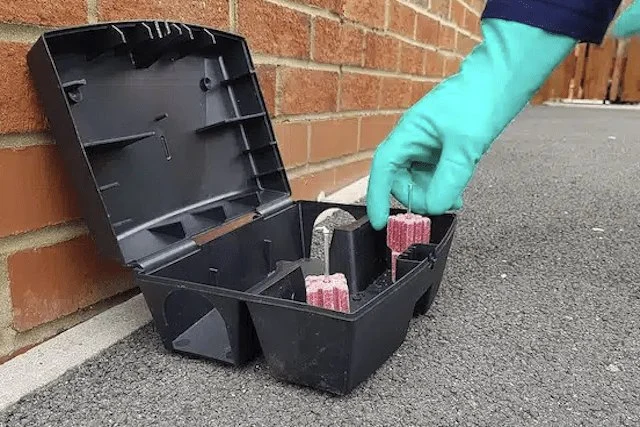
The safety of your children is paramount when selecting bait stations for pest control. Fortunately, there are child-safe options available that help ensure your family’s well-being while still effectively managing pests. When choosing a bait station, consider the following:
- Child-Resistant Features: Look for bait stations that are specifically labeled as "child-resistant." These stations are designed with locking mechanisms or enclosed designs that prevent children from accessing the bait inside. Many modern bait stations come with secure lids and tamper-proof features.
- Secure Placement Areas: Opt for bait stations that are designed for use in areas where children can’t easily reach them, such as behind appliances, in cupboards, or outdoors in places children are unlikely to access.
- Non-Toxic Bait Alternatives: Whenever possible, choose bait stations that use non-toxic or less harmful substances. Some pest control products use natural ingredients or traps that pose minimal risk to children and pets.
3. Proper Placement of Bait Stations
Placement is critical to ensuring the safety of your children when using bait stations. Even the most child-resistant stations can be ineffective or dangerous if placed incorrectly. Here are some tips for placing bait stations safely:
- Out of Reach: Always place bait stations in areas that are out of children’s reach. For indoor use, consider placing stations inside cabinets or behind appliances. Outdoors, keep bait stations in areas like garages, sheds, or along fences, where children are unlikely to wander.
- Avoid High-Traffic Areas: Do not place bait stations in areas where children frequently play, such as living rooms, bedrooms, or near playgrounds. Keeping them in low-traffic zones reduces the risk of accidental encounters.
- Follow Manufacturer Guidelines: Each bait station has specific placement instructions based on the type of pest it targets. Follow these guidelines carefully to ensure both the safety of your children and the effectiveness of the station.
4. Monitoring and Maintenance of Bait Stations
Once you’ve placed your bait stations, it’s essential to regularly monitor and maintain them to ensure they remain safe and effective. Here’s how:
- Check for Tampering: Regularly inspect bait stations to ensure they are still securely closed and in place. Check for any signs of tampering, especially if you have curious children in the home. If a station is damaged or opened, remove it immediately to prevent access.
- Refill Bait as Needed: Over time, the bait in the station will be consumed or degrade. Refill the stations as needed to ensure they remain effective. Always do this when children are not around, and make sure to handle the bait carefully.
- Dispose of Used Bait Properly: If you need to dispose of the bait or station, follow the manufacturer’s guidelines. Proper disposal prevents the risk of children coming into contact with harmful substances.
5. Real-Life Safety Examples and Tips
Many families successfully use bait stations while keeping their children safe. Here are a few real-life examples and additional tips:
One family living in a rural area had a recurring issue with rodents. They chose child-resistant bait stations that they placed behind their kitchen appliances, well out of reach of their young children. They also made a habit of checking the stations weekly to ensure they were secure and replenishing the bait as needed.
In another case, a couple with a pet and small children used non-toxic, eco-friendly bait stations in their garage. These stations were securely mounted on the walls, where their children could not reach them, ensuring the safety of both the children and the pets.
These examples show that with careful selection, placement, and maintenance of bait stations, you can control pests effectively without compromising the safety of your family.
If you're looking for more advice on pest control products or need to find the best bait stations for your home, visit PestControlHub for expert recommendations and products designed for child and pet safety.

 Mosquito & PEST Authority of the Lakelands5.0 (14 reviews)
 All Bugs Aside Pest Control, LLC5.0 (149 reviews)
 Rose Pest Solutions Toledo4.0 (260 reviews)
 Do It Yourself Pest Control4.0 (12 reviews)
 Eastern Pest Services4.0 (159 reviews)
 OnGuard Pest Control5.0 (606 reviews)
 How to Use Mini Barriers to Prevent Pest Entry
 How to Reduce Indoor Humidity to Prevent Insects
 How to Choose Between Pest Control Contracts: A Comprehensive Guide
 How to Prevent Pest Spread Between Units in Apartments: Essential Tips for Apartment Residents
 How to Evaluate Pest Control Technologies – Expert Guide for U.S. Consumers
 How to Seal Gaps Around Utility Lines for Pest Prevention