
How to Seal Pest Entry at Foundation Corners: A Practical Guide
Foundation corners are common entry points for pests such as ants, rodents, and termites. These pests can cause serious damage to your home, especially if left unchecked. In this guide, we’ll explain how to identify pest entry points, seal foundation corners effectively, and prevent future infestations. With the right techniques and tools, you can protect your home from unwanted visitors and ensure a safer living environment.

Pest Control Consultants
SpringfieldSangamon CountyIllinois
917 Clocktower Dr Suite #260, Springfield, IL 62704, USA
Why Foundation Corners Are Susceptible to Pest Entry
The foundation of your home, especially at the corners, is a critical area that is often exposed to the elements. Over time, the combination of weathering, natural settling, and cracks can create openings that pests can exploit. Some of the most common reasons pests target foundation corners include:
- Cracks and Gaps: Even small cracks in the foundation can be an entry point for pests seeking food, water, or shelter.
- Moisture Accumulation: Areas around the foundation are often damp, which attracts pests like termites, ants, and cockroaches.
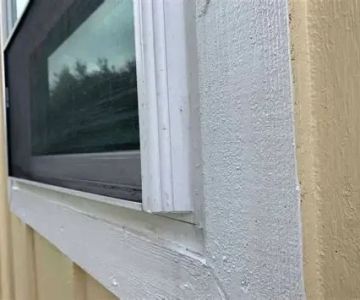
- Loose or Damaged Sealants: Poorly sealed or damaged caulking around windows, doors, and vents can also allow pests to enter.
Steps to Seal Pest Entry at Foundation Corners
Sealing pest entry at foundation corners requires thorough inspection, proper sealing techniques, and the right materials. Here’s a step-by-step guide to help you secure these vulnerable areas:
1. Inspect Foundation Corners for Damage
Start by thoroughly inspecting the foundation corners of your home for any visible cracks, gaps, or damage. Pay attention to areas where the foundation meets the walls, as this is where pests are most likely to enter. Look for signs of moisture or pest activity, such as droppings, nests, or trails of ants. This inspection will help you identify where sealing efforts should be focused.
2. Clean the Area
Before applying any sealant, ensure the area is clean and dry. Remove any dirt, debris, or old sealant that might prevent the new sealant from adhering properly. Use a wire brush or scraper to clean out cracks and gaps, and ensure there’s no moisture accumulation. A dry surface is essential for effective sealing.
3. Select the Right Sealing Material
Choosing the right material is crucial for effective pest-proofing. Here are some of the best sealing options for foundation corners:
- Caulk: Silicone-based caulk is perfect for sealing small gaps and cracks around windows, doors, and other openings. It’s flexible and waterproof, making it ideal for foundation corners.
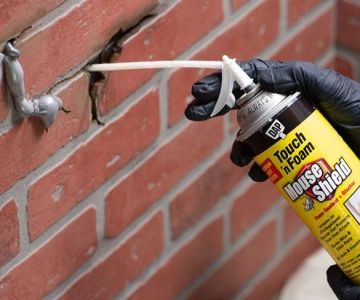
- Foam Sealant: Expanding foam sealant is great for larger cracks and gaps. It expands upon application to fill even hard-to-reach spaces, creating a durable barrier against pests.
- Concrete Patch: For larger foundation cracks, a concrete patch or filler may be required. These products are specifically designed to repair cracks in concrete, preventing pests from entering.
4. Apply the Sealant
Once you’ve chosen the right sealant, it’s time to apply it. For caulk and foam sealants, use a caulking gun to apply the product into cracks and gaps. For larger cracks, use a putty knife to smooth the sealant evenly. Apply the sealant generously to ensure that all gaps are covered. Be sure to follow the manufacturer’s instructions for drying times to ensure the sealant sets properly.
5. Check and Reapply as Needed
After the initial sealing, regularly check the foundation corners to ensure that the sealant hasn’t cracked or worn away. Reapply sealant as needed, especially after extreme weather conditions such as heavy rain or freezing temperatures. This ongoing maintenance will help ensure that pests do not re-enter your home.
Additional Pest Control Tips
While sealing foundation corners is an effective way to prevent pests, there are other strategies to enhance your pest control efforts:
- Install door sweeps: Seal the bottom of doors with door sweeps to prevent pests from entering through gaps.
- Use mesh screens: Install mesh screens over vents and openings to block pests from entering through these areas.
- Regular inspections: Perform regular inspections around your home’s perimeter to identify and address any new entry points before they become a problem.
Real-Life Example: Sealing Foundation Corners in Action
Sarah, a homeowner in Texas, noticed an increase in ants around the base of her home, particularly in the foundation corners. After inspecting the area, she discovered several small cracks that had allowed the ants to enter. She followed the steps outlined in this guide, applying silicone caulk to seal the cracks and foam sealant in larger gaps. Within a few weeks, the ant problem was significantly reduced. "It was a simple fix, but it made a huge difference," Sarah said. "Now, I feel much more secure knowing that my home is pest-proof."
Get the Right Products for Sealing Pest Entry
If you’re looking for high-quality sealants and pest control products, visit PestControlHub. We offer a range of caulks, foam sealants, and concrete patches to help you seal your foundation corners effectively and prevent pests from entering your home.

 D-Bug Pest Control, Inc.5.0 (185 reviews)
 Alta Pest Control4.0 (932 reviews)
 Lookout Pest Control4.0 (1540 reviews)
 Pest Avengers4.0 (22 reviews)
 Towne Pest Control, Inc.4.0 (50 reviews)
 Home Fixer, LLC4.0 (6 reviews)
 Seasonal Pest Prevention Checklist for Spring
 How to Plan Pest Control After Flood Damage
 How to Use Smart Technology for Rodent Control
 How to Recognize Pest Eggs and Larvae Before It’s Too Late
 How to Prevent Pest Intrusion via Landscaping: Tips and Strategies
 How to Deal With Pest Intrusions Through Roof Vents: A Complete Guide