
- -Understanding-What-Wall-Voids-Are-and-Why-Pests-Love-Them
- -Early-Signs-of-Pest-Activity-in-Wall-Voids
- -How-to-Identify-Different-Types-of-Pests-in-Walls
- -Real-Homeowner-Story-Detecting-Pests-Early
- -Step-by-Step-Inspection-and-Prevention-Strategies
- -When-to-Seek-Professional-Help-with-PestControlHub
1. Understanding What Wall Voids Are and Why Pests Love Them
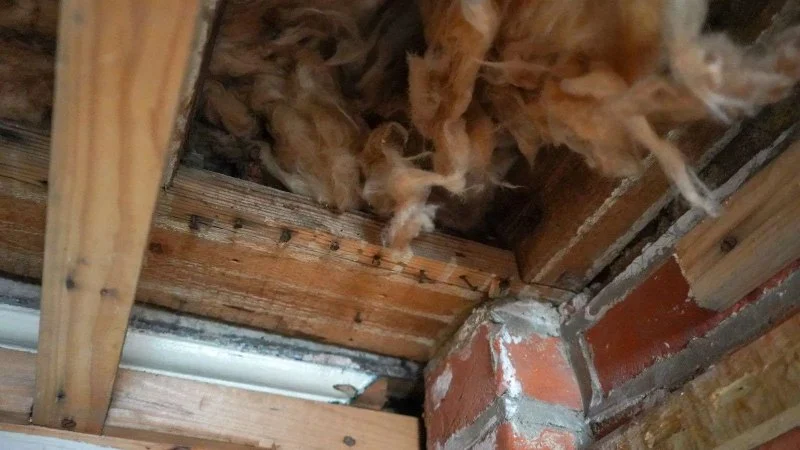
Wall voids are the empty spaces between drywall or plaster and the structural framing of your home. These hidden areas are often overlooked, but they provide an ideal environment for pests. If you're learning how to spot pest activity in wall voids, it’s important to first understand why these spaces are so attractive.
Alford Pest Control
Saint AlbansKanawha CountyWest Virginia
6316 MacCorkle Ave A, St Albans, WV 25177, USA
1.1 Why Wall Voids Are a Perfect Habitat
Pests are drawn to wall voids because they offer warmth, darkness, and protection from predators. In colder parts of the United States, rodents and insects frequently seek shelter inside walls during winter months.

America's Wildlife & Pest Control
5795 New Carlisle Pike, Springfield, OH 45504, USA
1.2 Common Entry Points into Walls
Small cracks around windows, gaps near utility lines, and poorly sealed vents can all serve as entryways. Once inside, pests can travel freely through wall cavities without being easily detected.
2. Early Signs of Pest Activity in Wall Voids
Recognizing early warning signs is crucial for minimizing damage. Many homeowners miss these subtle clues until the infestation becomes serious.
2.1 Unusual Sounds Inside Walls
One of the most common indicators is noise. Scratching, scurrying, or faint tapping sounds—especially at night—often point to rodents or insects moving within wall voids.
2.2 Odors and Air Quality Changes
A musty or foul smell coming from walls can signal pest presence. In some cases, decaying organic matter or pest droppings contribute to noticeable indoor odor changes.
2.3 Visible Wall Damage
Peeling paint, small holes, or bubbling drywall may indicate pest activity. Termites, for example, can cause structural damage from within, leaving only subtle surface clues.
3. How to Identify Different Types of Pests in Walls
Not all pests leave the same signs. Identifying the type of pest can help you choose the right solution.
3.1 Rodents: Mice and Rats
Rodents often leave scratching noises, droppings, and chew marks. Their activity is usually more noticeable at night, and they tend to move quickly between wall spaces.
3.2 Insects: Termites and Ants
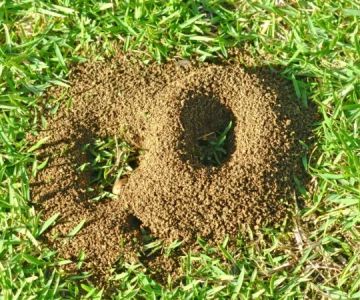
Termites may create hollow-sounding wood, while carpenter ants often leave fine sawdust near entry points. These pests can cause significant structural damage if left untreated.
3.3 Other Hidden Intruders
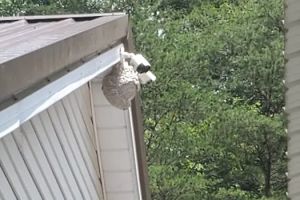
In some cases, homeowners discover wasps, cockroaches, or even squirrels inside walls. Each pest type brings unique risks and requires specific handling methods.
4. Real Homeowner Story Detecting Pests Early
A homeowner in Texas once noticed faint scratching sounds behind their living room wall every evening. At first, they dismissed it as normal house settling. However, within weeks, a slight odor began to develop.
After investigating further, they discovered a small rodent infestation inside the wall void. Because they acted early, the damage was minimal, and the issue was resolved quickly. This case highlights how paying attention to small signs can prevent major repairs later.
5. Step-by-Step Inspection and Prevention Strategies
Once you understand how to spot pest activity in wall voids, taking proactive steps becomes much easier.
5.1 Conducting a Basic Home Inspection
Walk through your home and listen carefully for unusual sounds. Check walls near kitchens, basements, and attics where pests are more likely to enter.
5.2 Sealing Entry Points
Use caulk or weather stripping to close gaps around windows, doors, and pipes. This simple step can significantly reduce the chances of pests entering your walls.
5.3 Maintaining Clean Surroundings
Keeping your home clean and free of food debris reduces the likelihood of attracting pests. Proper waste management is especially important in preventing infestations.
6. When to Seek Professional Help with PestControlHub
While some minor issues can be handled independently, larger infestations often require professional intervention. If you continue to notice signs of pest activity or if the problem escalates, seeking expert help is the safest option.
PestControlHub offers reliable guidance and access to trusted pest control solutions tailored to your situation. Whether you're dealing with early signs or a more advanced infestation, exploring professional resources can save time, money, and stress.
Taking action early is key. By understanding the warning signs and responding quickly, you can protect your home and maintain a safe, comfortable living environment.

 Custom Personalized Lawn Care4.0 (124 reviews)
 Wheeler Exterminating4.0 (90 reviews)
 Selway Termite CO INC4.0 (7 reviews)
 Moxie Pest Control4.0 (3020 reviews)
 Pest Total Exterminating5.0 (1 reviews)
 Varment Guard Wildlife Services4.0 (77 reviews)
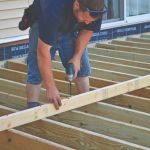 How to Block Pest Entry Around Deck Joists: Effective Solutions
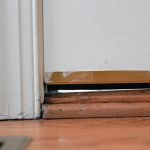 How to Prevent Pest Intrusions at Door Frames: Effective Solutions for Homeowners
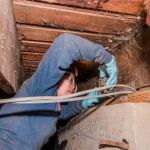 How to Use Smoke Tests to Reveal Pest Entry Points – A Simple Guide
 How to Block Pest Entry Points Around Windows
 How to Prevent Termite Damage Before It’s Too Late: Expert Tips for Homeowners
 How to Monitor Pest Return After Treatment: Tips and Best Practices