
- #understanding-fire-ant-problems - Why fire ants appear in residential yards
- #identifying-fire-ant-colonies - How to recognize fire ant mounds and activity
- #effective-fire-ant-control-methods - Proven techniques to remove fire ants from your yard
- #real-homeowner-experience - A real case showing how fire ant infestations grow quickly
- #long-term-yard-protection - Preventative steps to keep fire ants from returning
Understanding Fire Ant Problems in Residential Yards
For many homeowners across the southern and southeastern United States, fire ants are more than just a minor nuisance. These aggressive insects can quickly dominate a yard, build large soil mounds, and deliver painful stings when disturbed. Learning how to control fire ants in your yard is essential not only for comfort but also for safety, especially in households with children or pets.
Fire ants are highly adaptable insects that thrive in warm climates. They often appear in open lawns, garden beds, and sunny areas where soil conditions allow them to construct underground colonies.

1. Why Fire Ant Colonies Spread Quickly
One reason fire ant infestations become difficult to manage is the rapid growth of their colonies.

JP McHale Pest Management
BuchananWestchester CountyNew York
241 Bleakley Ave, Buchanan, NY 10511, USA
Large Colony Populations
A single fire ant mound can contain tens of thousands of ants. Beneath the surface lies a network of tunnels that protects the queen and allows the colony to expand.
Multiple Colony Expansion
During warm seasons, new queens can establish additional colonies nearby, which is why homeowners often notice several mounds appearing across their yard at the same time.
Without proper control measures, fire ants can continue spreading and occupying more space in a lawn or garden.
Identifying Fire Ant Colonies in Your Yard
Before choosing a control strategy, it is important to correctly identify fire ant activity. Not every ant mound belongs to fire ants, but certain signs can help distinguish them.
2. Recognizing Fire Ant Mounds
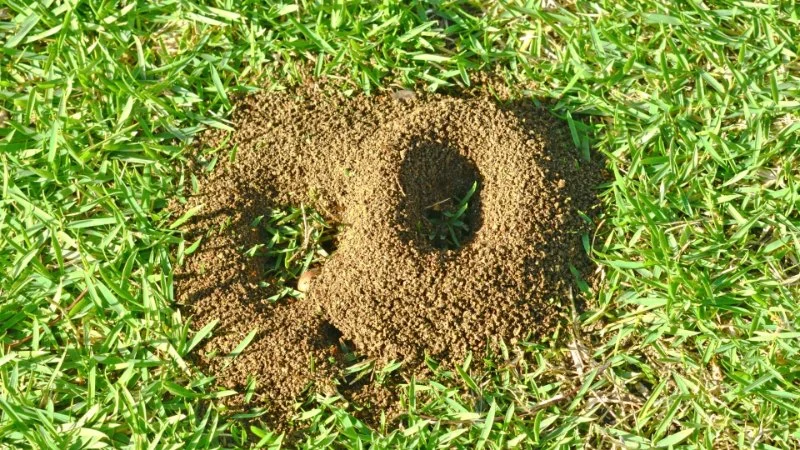
Fire ant nests typically appear as loose soil mounds scattered across lawns, gardens, and open fields.
Dome-Shaped Soil Piles
Unlike some other ants, fire ants often build mound-shaped structures without a visible entrance hole on top.
Active Defensive Behavior
When the mound is disturbed, hundreds of ants quickly swarm out to defend the colony.
3. Areas Where Fire Ants Commonly Appear
Fire ants prefer warm, open environments.
Sunny Lawns
Lawns exposed to full sunlight often provide ideal nesting conditions.
Garden Edges and Driveways
Ants frequently build colonies near sidewalks, driveways, or landscape borders where soil is easy to excavate.
Early identification allows homeowners to respond quickly before colonies multiply.
Effective Fire Ant Control Methods
Once fire ants are confirmed in your yard, several strategies can help reduce or eliminate their presence. The most effective solutions combine immediate treatment with long-term management.
4. Treating Individual Fire Ant Mounds
Direct mound treatment is one of the fastest ways to address visible colonies.
Granular Insecticide Treatments
Granular products applied directly to the mound allow the ants to carry insecticide deep into the colony, eventually reaching the queen.
Boiling Water Method
Some homeowners pour boiling water onto the mound as a natural approach. While this can kill many ants instantly, it may not always reach the entire colony underground.
5. Broadcast Yard Treatments
When multiple colonies appear, broader treatment may be necessary.
Bait Products
Fire ant bait works by attracting worker ants, which carry the bait back to the colony where it is shared with others.
Lawn-Wide Treatments
Spreading insecticide bait across the yard can help eliminate hidden colonies that have not yet formed visible mounds.
Many homeowners also explore helpful tools and pest management resources through PestControlHub, where they can discover recommended products and professional services designed to address yard pest problems.
A Real Homeowner Experience With Fire Ants
A homeowner in Texas shared a story on a neighborhood discussion board about how quickly fire ants can take over a yard.
6. A Small Problem That Became a Big Infestation
The homeowner initially noticed one fire ant mound near the edge of the lawn.
Early Signs Ignored
Because the mound seemed small, it was left untreated. Over the next few weeks, several additional mounds appeared across the yard.
Rapid Colony Spread
By the end of the summer, more than a dozen mounds had formed. Eventually, professional treatment was required to eliminate the infestation.
This experience highlights how quickly fire ant populations can expand if early control measures are not taken.
Long-Term Yard Protection Against Fire Ants
Even after removing existing colonies, preventing future infestations is important for maintaining a safe outdoor space.
7. Maintaining a Well-Managed Lawn
Healthy lawns and properly maintained landscapes are less attractive to pests.
Regular Lawn Care
Consistent mowing and proper soil maintenance help discourage ant colonies from establishing.
Reducing Food Sources
Fire ants are attracted to insects and food debris, so keeping outdoor areas clean can reduce their activity.
8. Monitoring Your Yard for Early Signs
Early detection remains one of the most effective strategies for controlling fire ants.
Routine Yard Inspection
Checking lawns regularly for new mounds helps homeowners address colonies before they expand.
Seasonal Treatments
Applying preventative bait treatments during warm months can reduce the chance of new colonies forming.
Resources such as PestControlHub can help homeowners identify useful pest control tools, treatment strategies, and services that support long-term fire ant management.
With careful monitoring, timely treatments, and consistent lawn care, it is possible to control fire ants effectively and maintain a safe, comfortable yard environment.




 Critter Removal Ohio4.0 (90 reviews)
 Perfect Pest Control5.0 (4 reviews)
 Greenix Pest Control4.0 (1042 reviews)
 Priority Pest Services Peninsula5.0 (4 reviews)
 Bugged-Up Pest Services, LLC5.0 (11 reviews)
 Terminix Triad4.0 (181 reviews)
 How to Use Smart Sensors for Insect Detection | Technology for Pest Control
 How to Prevent Pest Intrusion in Crawl Spaces
 How to Prevent Pest Growth in Basements – Effective Solutions and Tips
 The Best Eco-Friendly Pest Control Products You Can Buy
 How to Deal With Pest Intrusions During Storms: Protect Your Home
 How Landscaping Mulch Types Affect Pest Attraction – Tips for a Pest-Free Yard