

- -why-pest-control-frequency-matters
- -recommended-service-schedules
- -factors-that-affect-how-often-you-need-it
- -signs-you-need-more-frequent-services
- -preventive-strategies-between-visits
- -real-homeowner-story-and-lessons
Why Pest Control Frequency Matters for Your Home
When homeowners ask, “How often should you schedule pest control services?”, the answer is rarely one-size-fits-all. Pest activity varies based on location, season, and even the structure of your home. However, having a consistent schedule is one of the most effective ways to prevent infestations before they start.
Many people wait until they see pests to take action. By that point, the problem has often already grown. Regular pest control is less about reacting and more about maintaining a protective barrier around your home.

1. Prevention vs. Reaction
Preventive treatments stop pests from entering or nesting in your home. Reactive treatments, on the other hand, often require more time, effort, and cost to resolve an existing issue.

2. Seasonal Pest Behavior
Different pests are active at different times of the year. Ants and termites may become more active in warmer months, while rodents often seek shelter indoors during colder seasons.
Recommended Pest Control Service Schedules
While every home is unique, there are general guidelines that can help you determine a practical schedule.
1. Quarterly Treatments for Most Homes
For many households in the U.S., scheduling pest control every three months provides consistent protection. This approach targets seasonal pests and maintains a barrier throughout the year.
2. Monthly Services for High-Risk Areas
Homes located near wooded areas, water sources, or regions with heavy pest activity may benefit from monthly visits. This is especially important for properties prone to recurring infestations.
3. Annual Inspections for Low-Risk Homes
If your home has minimal pest activity and strong preventive measures, an annual inspection combined with occasional treatments may be sufficient.
Factors That Affect How Often You Need Pest Control
The right schedule depends on several variables that influence pest behavior and risk levels.
1. Location and Climate
Warmer climates tend to have higher pest activity year-round, while colder regions may see seasonal spikes. Humidity and rainfall also play a role in attracting certain pests.
2. Type of Property
Older homes with small cracks or gaps are more vulnerable to pests. Similarly, homes with large yards or gardens may attract insects and rodents.
3. Previous Infestations
If your home has experienced pest issues in the past, more frequent treatments may be necessary to prevent recurrence.
Signs You May Need More Frequent Pest Control
Even with a regular schedule, certain warning signs indicate that your current plan may not be enough.
1. Increased Pest Sightings
Seeing pests more often, especially during the day, can signal a growing infestation that requires immediate attention.
2. Property Damage
Chewed wires, damaged wood, or droppings are clear signs that pests are actively affecting your home.
3. Unusual Odors or Sounds
Strange smells or noises inside walls or ceilings may indicate hidden pest activity that needs professional inspection.
Preventive Strategies Between Pest Control Visits
Professional services are most effective when combined with good home maintenance habits.
1. Sealing Entry Points
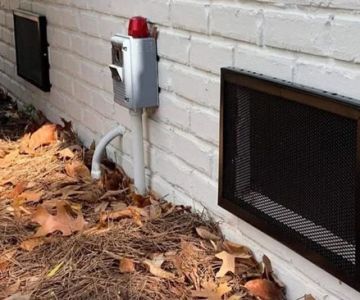
Closing gaps around doors, windows, and foundations reduces the chances of pests entering your home.
2. Proper Food Storage
Keeping food sealed and cleaning up crumbs or spills prevents attracting insects and rodents.
3. Maintaining Outdoor Areas
Trimming vegetation, removing standing water, and keeping trash areas clean all contribute to a less inviting environment for pests.
A Real Homeowner Story That Changed Their Approach
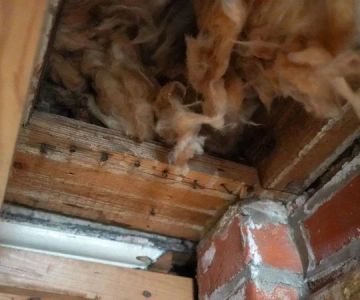
A homeowner I spoke with once relied on occasional pest control visits only when problems appeared. One summer, ants began appearing in the kitchen, followed by a more serious issue with rodents in the attic.
After switching to a quarterly service plan and making small changes like sealing entry points and improving food storage, the difference was noticeable within months. The home remained pest-free, and the stress of unexpected infestations disappeared.
This experience highlights how consistency can prevent larger problems. For those unsure about where to begin, PestControlHub provides guidance and services that help homeowners create a reliable pest control schedule tailored to their needs.
Building a Pest Control Routine That Works for You
Deciding how often you should schedule pest control services depends on your home, environment, and past experiences. By understanding these factors and staying proactive, you can maintain a safe and comfortable living space year-round.
A consistent approach not only protects your property but also gives you peace of mind, knowing that your home is well-prepared against unwanted pests.




 Bay Area Mosquito & Tick Service5.0 (80 reviews)
 Bugs No More4.0 (10 reviews)
 A-L-S Pest Control4.0 (30 reviews)
 Abundant Wildlife Control5.0 (2 reviews)
 Western Pest Services5.0 (1 reviews)
 Rose Pest Solutions Fort Wayne4.0 (164 reviews)
 How to Stop Fruit Flies from Taking Over Your Kitchen
 How to Seal Pest Entry at Foundation Corners: A Step-by-Step Guide
 How to Use Smart Sensors for Insect Detection: A Modern Approach
 Wasp Nest Removal: What Homeowners Need to Know
 How to Monitor Pest Flows in Perimeter Areas
 How to Treat Pest Infestations in Attic Insulation – Expert Removal and Prevention Guide