
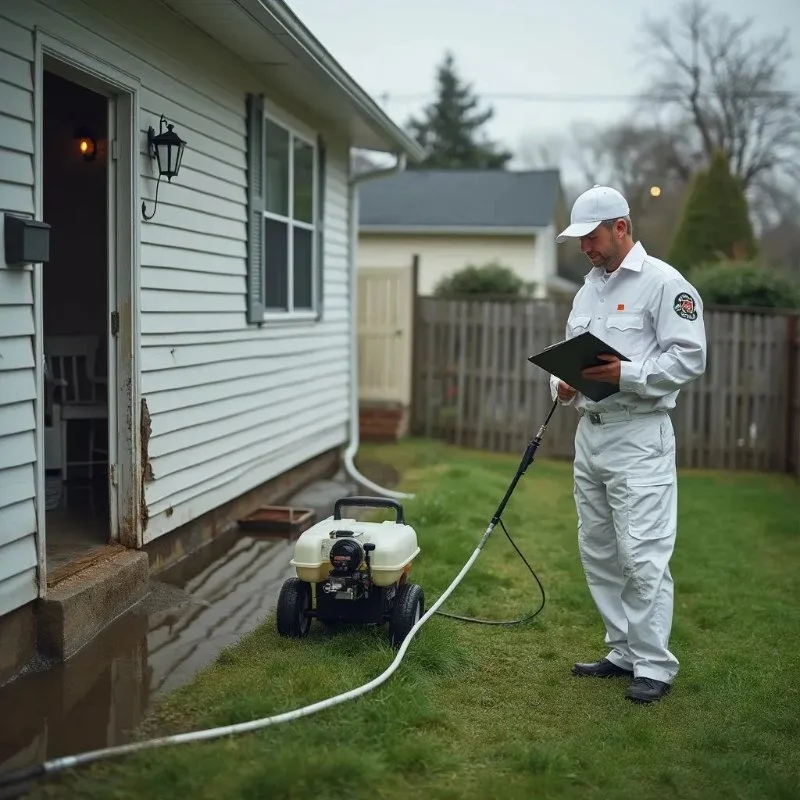
- Introduction to Pest Control Timing
- Tips for Timing Pest Control Treatments
- Seasonal Pest Control Strategies
- Common Pests and Their Peak Times
- Case Study: Successful Pest Control Timing
Introduction to Pest Control Timing
Effective pest control is about more than just using the right products—it’s also about timing. When you apply pest treatments can make all the difference in how successful they are at eliminating pests. Whether you're dealing with ants, termites, or rodents, knowing the best time to treat for pests ensures that you're not just wasting time and money but actually addressing the problem when it's most impactful. In this article, we’ll guide you through the best strategies for timing your pest control treatments to ensure maximum impact.
Tips for Timing Pest Control Treatments
Timing your pest control treatments properly can make a world of difference. Here are some tips to help you plan:
- Monitor Pest Activity: Understanding when pests are most active is key. For instance, ants are often seen in the warmer months, while termites tend to swarm during spring. Observing pest activity can give you a good idea of when to treat.
- Early Treatment: Preventing pests before they become a major issue is the best strategy. This is particularly important for insects like mosquitoes or cockroaches, which can multiply quickly if left unchecked.
- Consistency: Pest control isn’t a one-time event. Regular treatments, spaced appropriately according to the type of pest and its lifecycle, will ensure long-term effectiveness.
Seasonal Pest Control Strategies
Pest activity varies greatly throughout the year. Below are some seasonal strategies for effective pest control:
- Spring: As temperatures warm up, pests like ants, termites, and mosquitoes start becoming active. Spring is a critical time for applying preventative treatments to stop them before they invade your home.
- Summer: The peak of pest activity, especially for mosquitoes, flies, and fleas. Regular treatments during this time will help control pests before they reach large numbers.
- Fall: Many pests seek shelter indoors as the weather cools. It's the best time to treat for spiders, rodents, and other creatures looking to move inside for the winter.
- Winter: Pests are less active during the colder months, but rodents and some insects may still seek out food and warmth indoors. Keep an eye out and apply targeted treatments as needed.
Common Pests and Their Peak Times
Different pests have different schedules, and understanding these can help you time your treatments more effectively. Here's a look at some common pests and when they're most active:
- Ants: Peak activity in late spring to early summer. Best to treat in the early spring to prevent infestations.
- Termites: Spring and fall are the prime swarming seasons. Regular inspections and treatments during these times are vital for prevention.
- Mosquitoes: Active in warm months, especially during the summer. Treat during the early spring before mosquito populations explode.
- Rodents: Fall and winter are the times when rodents search for indoor shelter. Use bait and traps in early fall for best results.
Case Study: Successful Pest Control Timing
In a neighborhood in Southern California, residents were struggling with a mosquito infestation every summer. By timing their pest control treatments to begin in early spring, when mosquitoes are just starting to hatch, they were able to drastically reduce the population before it could become a serious problem. This case study shows how effective timing can lead to long-term pest control success.

 Bug Free Pest Control, LLC4.0 (101 reviews)
 Rocket Pest Control4.0 (717 reviews)
 Lovebug Home and Pest Solutions5.0 (10 reviews)
 Western Pest Services4.0 (59 reviews)
 Logan Pest Control Co0.0 (0 reviews)
 Maryland Wildlife Solutions4.0 (146 reviews)
 How to Address Pest Issues in Spring Planting for Healthy Gardens
 How to Deal With Pest Issues Near Pools – Effective Control Tips
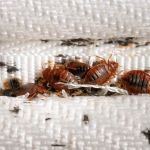 How to Get Rid of Bed Bugs Without Poisoning Your Home
 How to Maintain Pest-Free Landscapes Year-Round
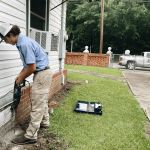 How to Stop Pests When You’re on Vacation: Simple Steps to Keep Your Home Pest-Free
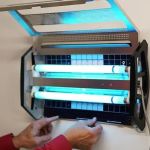 How to Use UV Traps for Flying Insects: A Complete Guide for Effective Pest Control