
What Are Barrier Sprays and How Do They Work?
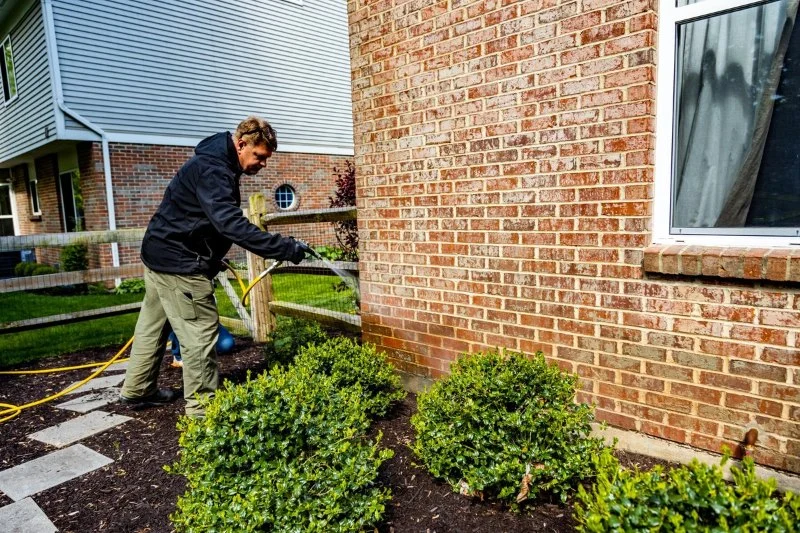
Barrier sprays are a highly effective tool in pest control, used to create a protective barrier around your home or garden. These sprays form a physical or chemical barrier that prevents insects and pests from entering or infesting an area. Typically, barrier sprays contain active ingredients that either repel or kill pests on contact, or leave behind a residue that continues to work for a prolonged period. Commonly used to keep ants, spiders, roaches, and other crawling insects away, barrier sprays are ideal for preventing infestations before they start.
Benefits of Using Barrier Sprays for Pest Control
Barrier sprays provide numerous benefits, especially for homeowners and gardeners looking for long-term pest prevention. Some of the key advantages include:
- Long-Lasting Protection: Unlike sprays that offer temporary relief, barrier sprays are designed to last for weeks or even months, depending on the product and environmental conditions. This means you don't have to reapply them frequently.
- Prevention of Infestations: Barrier sprays act as a deterrent, preventing pests from entering your home or garden in the first place, making them ideal for seasonal pest control.
- Versatile Use: Barrier sprays can be used both indoors and outdoors, creating a comprehensive pest control plan for your entire property.
- Convenience: Applying barrier sprays is simple and quick, making it an efficient way to protect large areas from pests without requiring extensive effort or preparation.
How to Apply Barrier Sprays Effectively
Proper application is crucial to ensuring barrier sprays provide maximum effectiveness. Follow these steps for best results:
- Choose the Right Product: Select a barrier spray that is specifically designed for the type of pests you want to control. Some sprays are designed for outdoor use, while others are formulated for indoor environments.
- Read the Instructions: Always read the label of the product you are using. Different sprays have different application methods, dilution ratios, and recommended areas for use. Following the manufacturer's instructions ensures the spray works as intended.
- Apply in a Continuous Line: When applying barrier spray around your home, create a continuous line along entry points such as doors, windows, and cracks in the foundation. Make sure to cover all potential gaps and openings where pests could enter.
- Focus on High-Traffic Areas: Apply the spray in areas where pests are most likely to enter or travel, such as along walkways, the perimeter of your garden, or near garbage areas. These areas act as gateways for pests to infiltrate your home.
- Consider Weather Conditions: Apply barrier sprays during dry weather, as rain can wash away the chemicals and reduce their effectiveness. If applying outdoors, ensure there is no immediate rainfall expected.
Tips for Maximizing the Effectiveness of Barrier Sprays
For barrier sprays to work effectively, there are several tips you can follow to ensure that your application is optimal:
- Use Regularly: Even though barrier sprays offer long-lasting protection, reapplying them at regular intervals is recommended, especially during pest seasons or after heavy rain.
- Combine with Other Methods: For best results, combine barrier sprays with other pest control methods, such as eliminating food sources, sealing entry points, and using traps. This multi-pronged approach will enhance the overall effectiveness of your pest control strategy.
- Target Problem Areas: If you're dealing with a specific pest problem, such as ants in the kitchen or spiders in the basement, concentrate your efforts on treating those areas first for a more targeted approach.
- Protect Plants and Pets: When applying barrier sprays outdoors, ensure that plants and pets are protected, as some sprays may be toxic to them. Consider using organic or pet-safe options if necessary.
Common Mistakes to Avoid When Using Barrier Sprays
While barrier sprays are easy to use, there are some common mistakes people make that can reduce their effectiveness. Avoid these pitfalls:
- Not Following Instructions: Skipping the instructions can lead to improper dilution, incorrect application, or using the wrong type of spray for your specific pest issue. Always follow the manufacturer's guidelines.
- Overusing the Product: Using too much barrier spray can result in wasted product and might not yield better results. More is not always better when it comes to pest control.
- Ignoring Reapplication: Even if the spray works for a while, pests may eventually find ways around it. Regular reapplication, especially after heavy rain or frequent cleaning, is necessary for continued effectiveness.
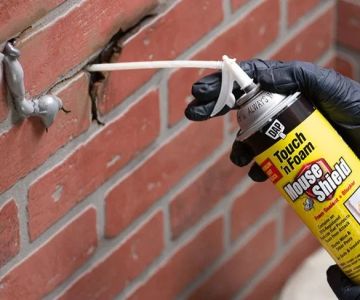
- Not Treating Entry Points: If you only apply the spray to the garden or one part of your home, pests might still find their way in. Make sure to treat all potential entry points, including cracks in the foundation, around windows, and doors.
Barrier sprays are an excellent tool for pest control, offering long-lasting protection with minimal effort. By following these tips and avoiding common mistakes, you can effectively prevent pests from invading your home or garden. With the right barrier spray and proper application, you can create a pest-free environment and enjoy peace of mind knowing that your home is protected from unwanted guests.




 What's Bugging You?5.0 (117 reviews)
 Go-Forth Pest Control4.0 (372 reviews)
 Mosquito Shield of Dulles4.0 (78 reviews)
 Home & Business Pest Control5.0 (13 reviews)
 Alert Exterminators4.0 (23 reviews)
 Forever Green of East Tennessee4.0 (80 reviews)
 How to Effectively Use Exclusion Methods for Pests
 How to Create a Pest-Resistant Garden
 How Landscaping Choices Affect Pest Populations in Your Yard
 How to Keep Spiders Out of Your Home Year-Round
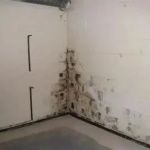 How to Prevent Pest Growth in Basements: Expert Tips and Solutions
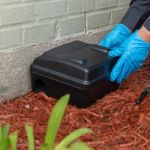 The Role of Bait vs Spray Treatments for Rodents