
- how-electronic-pest-control-devices-work
- why-many-homeowners-choose-electronic-solutions
- choosing-the-right-device-for-your-home
- how-to-use-electronic-pest-control-devices-correctly
- common-mistakes-that-reduce-effectiveness
- real-homeowner-experience
- combining-devices-with-smart-prevention
- how-to-get-the-best-results-long-term
1. How Electronic Pest Control Devices Work
Electronic pest control devices have become a popular alternative to traditional sprays and traps, especially for homeowners who want a cleaner, low-maintenance solution. If you have ever wondered how to use electronic pest control devices effectively, the first step is understanding what they actually do.

Lane's Professional Pest
Surfside BeachHorry CountySouth Carolina
515 Azalea Dr N, Surfside Beach, SC 29575, USA
1.1 The basic principle behind ultrasonic technology
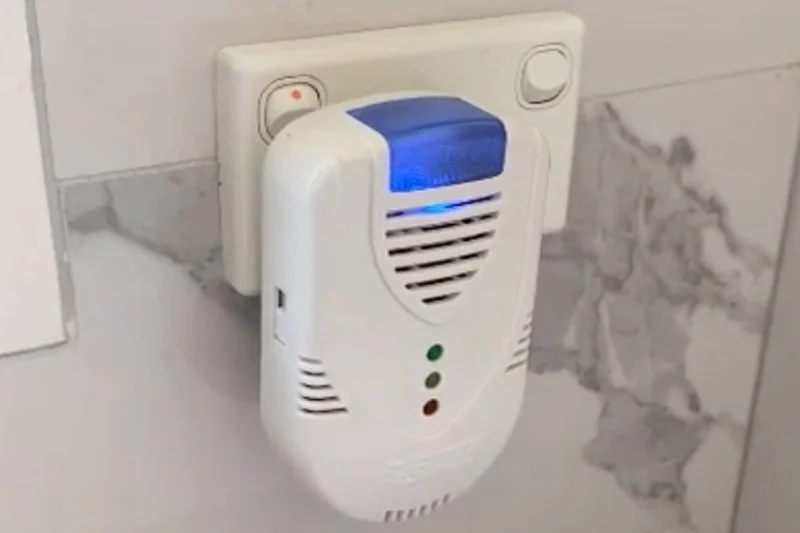
Most electronic pest repellers work by emitting ultrasonic sound waves. These frequencies are typically inaudible to humans but can disrupt the behavior of pests like rodents, insects, and sometimes even spiders. The idea is not to kill pests instantly but to create an environment that feels uncomfortable enough to drive them away.
Protective Pest Management
JohnstownCambria CountyPennsylvania
48 Harmony Dr, Johnstown, PA 15909, USA
1.2 Why results are not always immediate
Unlike chemical treatments that act quickly, electronic devices rely on behavioral change. That means pests may become more active at first as they react to the new environment. Many homeowners mistakenly think the device is not working, when in reality it is triggering a disruption phase.
1.2.1 Why consistency matters more than intensity
Keeping the device plugged in continuously is critical. Turning it off at night or unplugging it during the day breaks the pattern, allowing pests to adapt. Long-term consistency is what eventually encourages pests to leave.
2. Why Many Homeowners Choose Electronic Solutions
In recent years, more households across the U.S. have shifted toward electronic pest control, especially in apartments, suburban homes, and even RVs. The appeal lies in convenience and safety.
2.1 A cleaner alternative to chemicals
For families with pets or children, avoiding chemical sprays is a major priority. Electronic devices offer a hands-off approach that does not require constant reapplication or exposure to potentially harmful substances.
2.2 Low maintenance and easy setup
Once installed, most devices require little to no maintenance. There are no refills, no sticky traps to replace, and no lingering odors. This simplicity is often what draws first-time users to try them.
2.3 Where homeowners usually hear about them
Many people discover these devices through online reviews or recommendations from platforms like PestControlHub, where users compare different models and learn which ones perform best in real homes. Seeing how others solved similar pest problems often builds confidence before making a purchase.
3. Choosing the Right Device for Your Home
Not all electronic pest control devices are created equal. Understanding your specific situation will help you choose a device that actually works.
3.1 Matching the device to the pest problem
Some devices are marketed for rodents, while others focus on insects. A product designed for mice may not be as effective for ants or cockroaches. Identifying the pest you are dealing with is essential before selecting a device.
3.2 Considering room size and layout
Ultrasonic waves do not travel through walls or furniture effectively. This means a single device will not cover an entire home. Each room may require its own unit, especially in spaces with heavy pest activity.
3.3 Understanding manufacturer claims
Many products promise coverage of large areas, but real-world performance often depends on placement and obstacles. It is wise to read user experiences rather than relying solely on packaging claims.
3.3.1 Why cheaper is not always better
Budget devices may lack consistent output or durability. Investing in a slightly higher-quality unit can make a noticeable difference in long-term results.
4. How to Use Electronic Pest Control Devices Correctly
Knowing how to use electronic pest control devices properly is what separates success from frustration. Placement and usage habits matter far more than most people expect.
4.1 Positioning the device for maximum exposure
Devices should be placed in open areas where sound waves can travel freely. Avoid placing them behind furniture, curtains, or large appliances, as these block the signal and reduce effectiveness.
4.2 Installing at the right height
For rodents, placing the device closer to the floor tends to work better. For flying insects, slightly higher placements may improve results. Adjusting height based on the pest type can enhance performance.
4.3 Using multiple units when necessary
One of the biggest misconceptions is that a single device can protect an entire home. In reality, each room or problem area should have its own unit for consistent coverage.
4.4 Keeping devices active at all times
Continuous operation is essential. Turning devices on and off disrupts the pattern and gives pests time to adapt. Think of it as creating a constant environment that pests want to avoid.
4.4.1 Why patience is part of the process
It may take a few days or even weeks to see noticeable improvement. During this time, pest activity may temporarily increase before declining.
5. Common Mistakes That Reduce Effectiveness
Even when using the right product, small mistakes can prevent you from getting results.
5.1 Blocking the signal with furniture
Placing a device behind a couch or inside a cabinet significantly weakens its reach. The sound waves need a clear path to be effective.
5.2 Expecting instant results
Many users unplug devices too soon because they do not see immediate changes. This is one of the most common reasons people think electronic pest control does not work.
5.3 Ignoring other pest attractants
If food crumbs, standing water, or open trash are present, pests will continue to return. Electronic devices are not a replacement for good household habits.
5.4 Using too few devices
Coverage gaps allow pests to find safe zones within the home. This reduces overall effectiveness and slows down results.
6. A Real Homeowner Experience
A homeowner in Texas shared how they struggled with mice in their garage and kitchen. They initially installed a single device in the kitchen and saw no improvement after a week.
6.1 What changed their results
After researching more on PestControlHub, they realized the garage also needed coverage. They added two additional units and adjusted placement so nothing blocked the signal.
6.2 What happened next
Within two weeks, activity dropped significantly. Within a month, signs of mice were almost completely gone. The homeowner later mentioned that the biggest lesson was understanding placement rather than just relying on the device itself.
6.3 Why this story is common
Many people underestimate how important proper setup is. The technology works best when used strategically, not casually.
7. Combining Devices with Smart Prevention
Electronic pest control works best as part of a broader strategy rather than a standalone solution.
7.1 Sealing entry points
Even the best device cannot stop pests from entering if gaps and cracks remain open. Sealing these entry points reduces the number of pests that need to be repelled in the first place.
7.2 Maintaining cleanliness
Simple habits like storing food properly and cleaning regularly make a significant difference. Devices work more effectively when pests have fewer reasons to stay.
7.3 Monitoring progress over time
Pay attention to changes in pest activity. A gradual decline is a good sign that your setup is working as intended.
8. How to Get the Best Results Long Term
Long-term success with electronic pest control comes down to consistency, proper setup, and realistic expectations.
8.1 Adjusting placement as needed
If results plateau, try repositioning devices or adding additional units in overlooked areas. Small adjustments can lead to noticeable improvements.
8.2 Staying informed before upgrading
Before buying new devices, it is worth comparing updated models and user feedback. Platforms like PestControlHub can help you explore newer options that may offer improved coverage or features.
8.3 Taking the next step toward a pest-free home
If you are serious about solving your pest problem, understanding how to use electronic pest control devices is only the beginning. Explore the best-performing devices, refine your setup, and take action today to create a cleaner, quieter, and more comfortable home environment.


 Bugaboo Pest Control4.0 (133 reviews)
 Primax Pest Control3.0 (11 reviews)
 Nuisance No More4.0 (111 reviews)
 Pest Control Zionsville | Residential, Commercial Pest Control, Bed Bugs, Stinging Insects, & Rodents Control in Zionsville5.0 (8 reviews)
 Hadaway Cleaning & Restoration4.0 (63 reviews)
 Indianapolis Pest Control4.0 (241 reviews)
 How to Detect and Control Termites on a Budget – Affordable Prevention and Treatment
 How to Prevent Pest Intrusions at Door Frames: Effective Solutions for Homeowners
 How to Use Non-Chemical Barriers for Pest Control: Natural Solutions for Your Home
 How to Get Rid of Bed Bugs Without Poisoning Your Home
 How to Use Low-Toxic Sprays Safely: A Comprehensive Guide for Homeowners
 How to Inspect Second-Hand Furniture for Pests: Expert Tips for a Pest-Free Home