How to Prevent Pest Pressure in New Developments
- Why Pest Prevention is Essential in New Developments
- Common Pests in New Developments
- Effective Pest Prevention Strategies
- Ongoing Maintenance for Pest Control
- Real-Life Example: Pest Control in a New Development
- Final Tips for Managing Pest Pressure
Why Pest Prevention is Essential in New Developments
New developments and residential construction projects can often become hotbeds for pest activity if proper precautions aren’t taken. As construction sites create new environments, they can attract various pests looking for shelter, food, and water. Preventing pest pressure from the outset is critical for ensuring that new buildings remain pest-free and safe for future occupants. In this article, we’ll explore why pest prevention is essential in new developments and provide you with strategies to effectively manage pest issues.
Common Pests in New Developments
In newly developed areas, several types of pests are commonly encountered due to the disruption of the natural environment. Identifying these pests early and understanding their behavior can help in crafting an effective pest control strategy.
1. Rodents
Rodents, such as rats and mice, are one of the most common pests in new developments. They often find their way into buildings during construction or after completion, seeking shelter and food sources. Rodents can cause significant damage by gnawing on electrical wires, insulation, and other materials, as well as spreading diseases.
2. Ants
Ants are particularly attracted to new buildings because of the abundant food sources available during the construction phase. Carpenter ants, in particular, can be a problem, as they build nests in wood, potentially compromising the structure of the building.
3. Termites
Termites are another major concern in new developments. These insects feed on wood and can silently cause extensive damage to the framework of a building. They are often not noticed until significant damage has already been done, making early prevention a priority.
4. Mosquitoes
Standing water from construction sites or new landscaping can provide the perfect breeding grounds for mosquitoes. These pests can carry diseases and create a major nuisance for residents, making it essential to address water management during and after construction.
5. Cockroaches
Cockroaches are resilient pests that can find their way into any structure, especially newly constructed buildings. These pests are often attracted to food debris, plumbing systems, and dark, moist environments, making kitchens and bathrooms prime locations for infestations.
Effective Pest Prevention Strategies
To prevent pest pressure in new developments, it’s essential to implement proactive measures during construction and after completion. Here are several strategies that can help you avoid pest infestations:
1. Sealing Entry Points
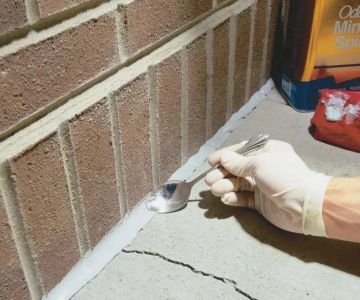
One of the most effective ways to prevent pests from entering a new building is by sealing potential entry points. Ensure that all gaps around windows, doors, vents, and utility lines are sealed with weather stripping or caulk. This will make it much harder for pests to gain access to the building.
2. Proper Waste Management
Construction sites can attract pests if waste and debris are not properly managed. Ensure that trash is disposed of regularly and that construction materials are stored in sealed containers. Also, remove any leftover food scraps from the site to prevent attracting pests.
3. Landscaping Considerations
Landscaping plays a significant role in pest prevention. Keep bushes, trees, and vegetation well-maintained, and avoid planting near the building’s foundation. Trim back any overhanging branches that could provide a bridge for pests like ants or rodents to access the building.
4. Pest-Control Treatments During Construction
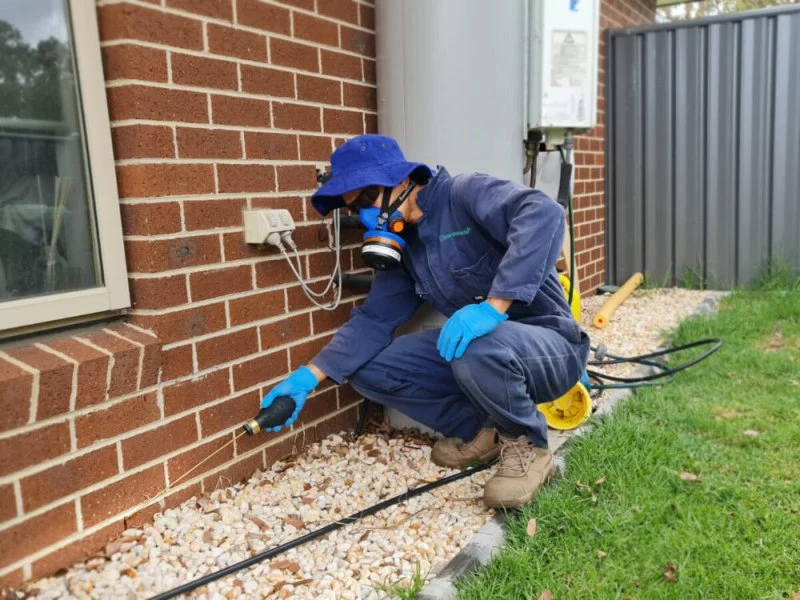
One effective strategy for managing pest pressure is to use pest-control treatments during the construction process. This can include applying non-toxic repellents to the building’s perimeter or using bait stations for rodents and insects. Consulting with a pest control professional can help ensure that appropriate treatments are used at the right times.
5. Moisture Control
Excess moisture attracts many pests, particularly termites and mosquitoes. During construction, it’s crucial to ensure that there are no standing water sources around the site. After construction, maintain proper drainage around the property to prevent water from accumulating near the foundation.
Ongoing Maintenance for Pest Control
Preventing pest pressure doesn’t stop once construction is complete. Ongoing maintenance is key to keeping pests out of new developments. Here’s what you can do:
1. Regular Inspections
Schedule regular pest inspections after construction to detect any early signs of infestation. Inspecting both the interior and exterior of the property will help you catch problems before they escalate. If pests are found, immediate action should be taken to prevent further damage.
2. Preventive Treatments
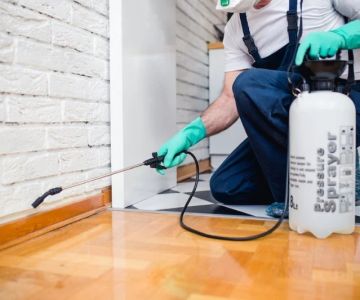
Consider applying preventive pest control treatments every few months, especially in high-risk areas such as the basement, attic, and around the foundation. These treatments can create a barrier against pests and discourage them from entering the building.
3. Resident Education
Educating the residents of a new development is crucial for long-term pest control. Encourage them to keep their homes clean, dispose of trash regularly, and report any signs of pests immediately. Resident participation can significantly reduce the risk of infestations.
Real-Life Example: Pest Control in a New Development
Consider the case of a newly developed residential complex in Florida. During the construction phase, the developers worked closely with pest control experts to implement rodent-proofing measures and used mosquito repellents around the perimeter. Once the development was completed, regular inspections were conducted, and residents were educated on waste management practices. As a result, the development has experienced minimal pest pressure and is now a highly sought-after location for prospective homeowners.
Final Tips for Managing Pest Pressure
Preventing pest pressure in new developments is an ongoing process that starts with proper planning and continues with consistent maintenance. By sealing entry points, managing waste, and maintaining the landscape, you can significantly reduce the risk of pests invading your property. For expert pest control services and advice, visit 【PestControlHub】 to find the best solutions for your pest management needs.


 Getem Services5.0 (381 reviews)
 Arrow Exterminators4.0 (424 reviews)
 Stone's Termite & Pest Control5.0 (2 reviews)
 Amber Pest Control5.0 (72 reviews)
 Arrow Exterminators4.0 (278 reviews)
 Dodson Pest Control4.0 (251 reviews)
 How to Control Pests During Remodeling Projects
 How to Address Pest Infestation in Attic Spaces: A Complete Guide
 How to Address Pest Issues in Spring Planting – Practical Solutions for Gardeners
 How to Deal With Pest Pressures Near Water Bodies
 How to Prevent Pest Spread via Firewood: Essential Tips for Protecting Your Home
 How to Plan Pest Control in Subdivisions: Effective Strategies for Managing Pests