Effective Use of Barrier Treatments in Floor Joints
- 1-Understanding-Barrier-Treatments-and-Floor-Joints
- 2-Preparing-the-Floor-for-Treatment
- 3-Applying-Barrier-Treatments-Correctly
- 4-Maintenance-and-Monitoring-for-Long-Term-Effectiveness
- 5-Professional-Tips-and-Recommendations
1. Understanding Barrier Treatments and Floor Joints
Barrier treatments are specialized chemical or natural products applied to floor joints to prevent insects and pests from entering living spaces. Floor joints, such as gaps between tiles, wood planks, or concrete slabs, are common entry points for pests including ants, termites, and cockroaches.
By creating a protective barrier, these treatments minimize pest intrusion while maintaining the integrity of your flooring.
Exterior Lawn & Pest Control
LouisvilleJefferson CountyKentucky
10193 Bunsen Way, Louisville, KY 40299, USA
2. Preparing the Floor for Treatment
Before applying a barrier treatment, clean the floor joints thoroughly to remove dust, debris, and any moisture. This ensures better adhesion and long-lasting effectiveness. Use a vacuum or brush to clear the joints and allow them to dry completely.
Inspection of the joints is crucial; identify areas with cracks or gaps where pests are more likely to enter, so you can target these spots more effectively.

3. Applying Barrier Treatments Correctly
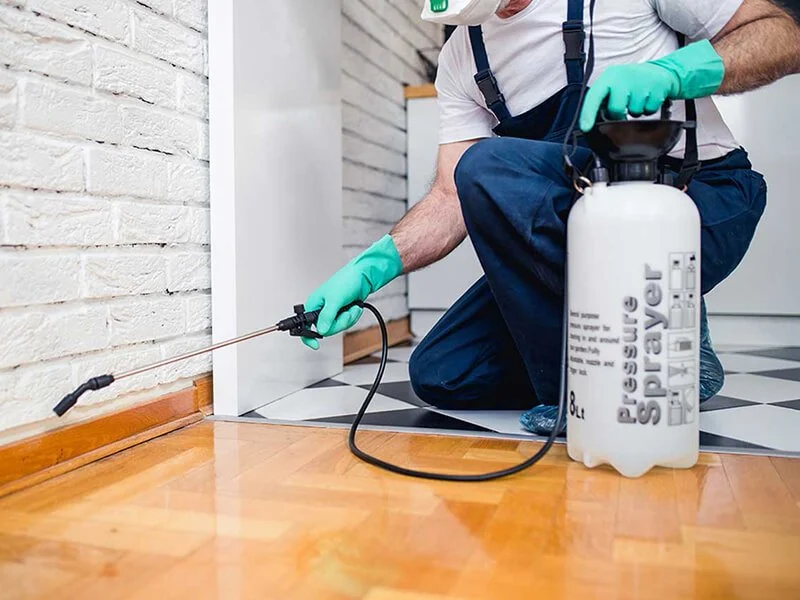
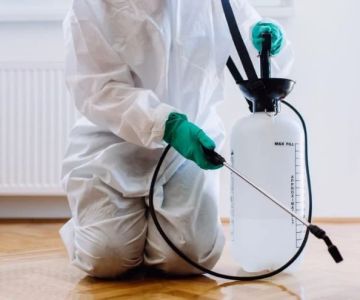
Apply the treatment according to the product instructions, typically using a small brush, syringe, or spray to reach the joints accurately. Ensure even coverage and avoid excessive application, which could damage flooring surfaces or create residue buildup.
For example, using a gel insecticide along tile grout lines provides a controlled release of the active ingredient, ensuring prolonged protection against ants and other pests without overexposure.
4. Maintenance and Monitoring for Long-Term Effectiveness
Regular inspection is key to maintaining pest-free floor joints. Reapply barrier treatments as recommended, usually every few months, and check for signs of pest activity. Monitoring sticky traps near treated areas can help evaluate the effectiveness and alert you to potential breaches in the barrier.
Routine cleaning and avoiding water accumulation in joints prolong the effectiveness of treatments and reduce pest pressure.
5. Professional Tips and Recommendations
Consulting pest control professionals can help choose the right type of barrier treatment for your flooring and local pest threats. They can also advise on integrating treatments with other pest management strategies for maximum effectiveness.
For high-quality products, expert guidance, and services tailored to maintaining a pest-free home, PestControlHub provides resources and professional recommendations to ensure your floor joints remain secure and pest-free.


 United Pest Solutions Technology5.0 (27 reviews)
 Pro-Spray Pest Control5.0 (23 reviews)
 Town & Country Pest Solutions inc4.0 (2505 reviews)
 Youngstown Wildlife Removal4.0 (20 reviews)
 Mayflower pest control3.0 (2 reviews)
 State Exterminating Co2.0 (5 reviews)
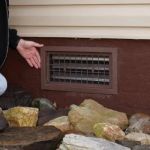 How to Control Pests in Crawl Space Vents
 How to Predict Which Pests Will Invade Next: Expert Tips and Insights
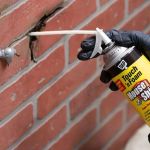 How to Use Deterrents Around Entry Points
 How to Use Smart Devices for Multi-Family Units: Enhancing Living Spaces
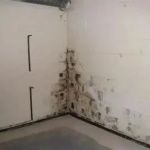 How to Prevent Pest Growth in Basements: Expert Tips and Solutions
 How to Maintain Pest-Free Landscapes Year-Round