
- 1-Understanding Common Pests
- 2-Preventive Measures
- 3-Organic Pest Control Methods
- 4-Chemical Solutions and Safety
- 5-Integrated Pest Management Strategies
- 6-Monitoring and Maintaining Healthy Plants
- 7-Seasonal Pest Control Tips
- 8-Case Studies: Successful Garden Pest Control
- 9-Resources for Pest Control Products
1. Understanding Common Pests
Effective pest control begins with identifying the most common threats in greenhouses and gardens. Aphids, spider mites, whiteflies, and caterpillars are frequent offenders. Knowing their behavior and life cycle helps determine the best control measures.
Fleet pest control
PhiladelphiaPhiladelphia CountyPennsylvania
1949 E Willard St, Philadelphia, PA 19134, USA
2. Preventive Measures
Prevention is key to reducing infestations. Use clean soil, inspect plants before introducing them, and maintain proper spacing for airflow. Regular sanitation and removing dead leaves minimize breeding grounds for pests.

3. Organic Pest Control Methods
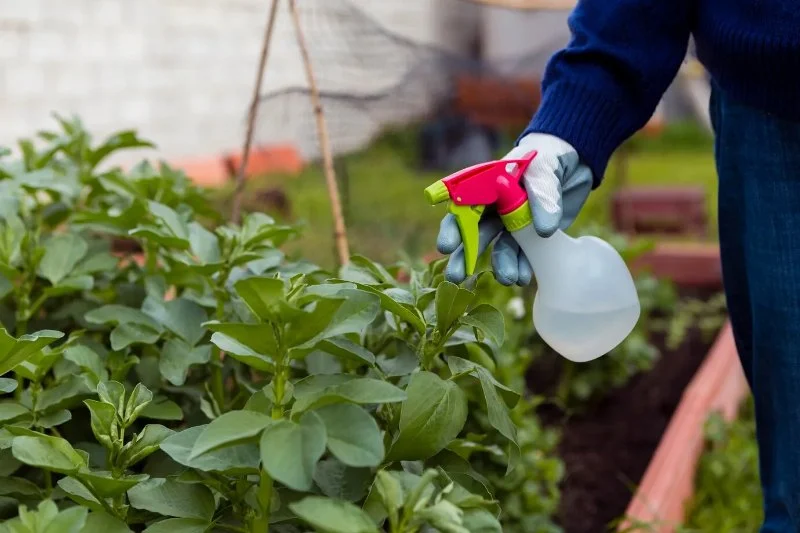
Organic solutions include neem oil, insecticidal soaps, and introducing beneficial insects like ladybugs or predatory mites. These methods manage pests without harmful chemicals, promoting a healthy ecosystem in your garden or greenhouse.
4. Chemical Solutions and Safety
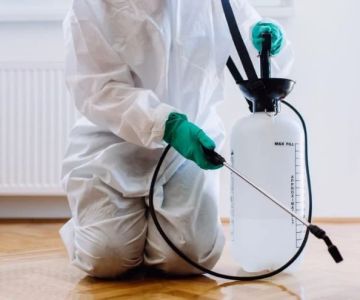
In severe infestations, chemical pesticides may be necessary. Always follow label instructions, wear protective gear, and apply treatments carefully to avoid harming beneficial insects or contaminating edible plants.
5. Integrated Pest Management Strategies
Combining multiple strategies—cultural, biological, and chemical—ensures long-term pest control. Rotating methods prevents resistance development and keeps pest populations under control effectively and sustainably.
6. Monitoring and Maintaining Healthy Plants
Regularly inspect plants for signs of pests or disease. Healthy plants are more resistant to infestations, so maintaining proper watering, fertilization, and pruning practices supports overall plant resilience.
7. Seasonal Pest Control Tips
Adjust pest control methods according to seasonal changes. Some pests thrive in warmer months, while others emerge during cooler periods. Tailor treatments to the specific seasonal threats for maximum effectiveness.
8. Case Studies: Successful Garden Pest Control
Home gardeners and greenhouse operators have successfully reduced pest problems by integrating preventive measures, using beneficial insects, and maintaining plant health. Real-world examples demonstrate how consistent monitoring and proactive measures yield impressive results.
9. Resources for Pest Control Products
For high-quality products and expert advice on pest control solutions, visit PestControlHub. They offer a curated selection of tools, treatments, and guidance to help you effectively manage pests and maintain thriving gardens and greenhouses.

 Wildlife Nuisance Control3.0 (2 reviews)
 Cleveland Chemical Pest Control Inc.4.0 (27 reviews)
 All Pest of Syracuse4.0 (68 reviews)
 Bluesway Pest Control4.0 (174 reviews)
 Heritage Pest Control LLC4.0 (12 reviews)
 Knox Pest Control - Statesboro4.0 (206 reviews)
 How to Control Pests During Remodeling Projects
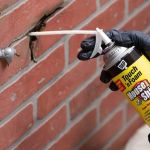 How to Seal Gaps Around Utility Lines for Pest Prevention
 How to Monitor Pest Activity Between Treatments
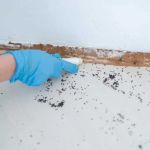 How to Seal Entry Points in Foundation Cracks
 How to Create a Pest-Resistant Garden
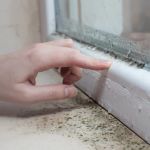 How to Seal Entry Points Before Winter