
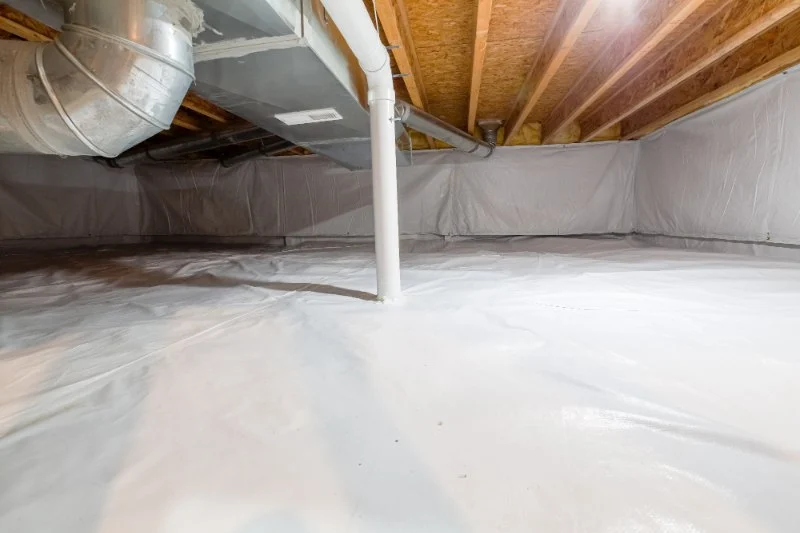
- 1 - Understanding Crawlspace Issues - Moisture and Pests
- 2 - Preventing Moisture Accumulation
- 3 - Pest Prevention Strategies
- 4 - Insulation and Ventilation Tips
- 5 - Practical Case Studies
- 6 - Ongoing Maintenance Advice
1. Understanding Crawlspace Issues - Moisture and Pests
Crawlspaces are essential for home infrastructure, providing access to plumbing, electrical systems, and HVAC ducts. However, they are prone to moisture accumulation and pest infestations if not properly maintained. Excess humidity can lead to mold growth, wood rot, and structural damage, while pests such as termites, rodents, and insects can compromise your home’s integrity.
Understanding the primary risks in crawlspaces is the first step toward keeping them dry and pest-resistant. Homeowners in humid climates or areas with seasonal flooding should be particularly vigilant.
2. Preventing Moisture Accumulation
2.1 Installing a Vapor Barrier
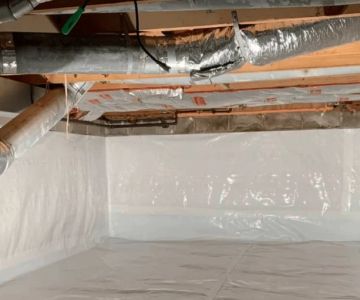
A high-quality polyethylene vapor barrier is crucial for preventing ground moisture from seeping into the crawlspace. Ensure the barrier covers the entire ground surface and extends several inches up the walls, sealed at seams to block moisture effectively.
2.2 Grading and Drainage
Proper exterior grading ensures water flows away from your home’s foundation. Adding drainage solutions, such as French drains or sump pumps, can significantly reduce crawlspace humidity levels, protecting structural wood and preventing mold growth.
2.3 Dehumidifiers for Crawlspaces
In regions with high humidity, installing a dedicated crawlspace dehumidifier helps maintain optimal moisture levels. Consistent monitoring ensures water condensation does not accumulate on walls or floors.
3. Pest Prevention Strategies
3.1 Sealing Entry Points
Inspect crawlspace access points, vents, and gaps around pipes. Seal cracks and holes with appropriate materials like steel wool, caulk, or foam to prevent rodents and insects from entering.
3.2 Using Pest-Resistant Materials
Choosing treated wood, metal supports, and pest-resistant insulation can reduce the risk of infestations. These materials provide long-term protection against termites and carpenter ants.
3.3 Professional Pest Treatments
Applying targeted treatments by certified professionals can protect vulnerable areas of your crawlspace. Companies like PestControlHub offer customized solutions for long-lasting pest resistance while remaining safe for your home environment.
4. Insulation and Ventilation Tips
4.1 Proper Ventilation
Well-ventilated crawlspaces reduce humidity levels and prevent stagnant air that encourages mold growth. Mechanical vents or exhaust fans can maintain airflow while minimizing energy loss.
4.2 Insulation Choices
Using closed-cell spray foam insulation or rigid foam boards provides moisture resistance and thermal efficiency. Avoid traditional fiberglass insulation, which can absorb moisture and become a breeding ground for mold and pests.
4.3 Monitoring Systems
Consider installing humidity sensors and monitoring systems to track moisture levels. Early detection helps prevent costly structural repairs and pest infestations.
5. Practical Case Studies
In a Texas home, homeowners were struggling with musty odors and periodic rodent sightings. By installing a full crawlspace vapor barrier, adding a dehumidifier, and sealing entry points, the home became completely dry and pest-free within weeks. This project, managed by PestControlHub, demonstrated how combined moisture and pest strategies effectively protect the home.
Another example in Florida involved a flooded crawlspace due to heavy rain. The solution included exterior grading improvements, a sump pump, and regular pest inspections. This approach prevented mold growth and eliminated termite activity, showcasing how proactive measures save homeowners money and stress.
6. Ongoing Maintenance Advice
6.1 Regular Inspections
Conduct semi-annual inspections to check for signs of moisture, mold, or pest activity. Prompt detection is key to long-term crawlspace health.
6.2 Cleaning and Debris Removal
Keep the crawlspace free of debris, old wood, or stored items that may attract pests. Clean surfaces also allow for better inspection and airflow.
6.3 Professional Support
Enlisting services from experts like PestControlHub ensures comprehensive treatment plans, ongoing monitoring, and timely interventions to maintain a dry, pest-resistant crawlspace year-round.





 Ehrlich Pest Control4.0 (414 reviews)
 Pestrol4.0 (65 reviews)
 Buckeye Wildlife Solutions5.0 (712 reviews)
 Frye Pest Management4.0 (30 reviews)
 Go-Forth Pest Control4.0 (412 reviews)
 Bugs Out Pest Control5.0 (1 reviews)
 How to Certify a Pest-Free Home for Resale
 How to Control Termites Without Fumigation: Effective Methods for Homeowners
 How to Prevent Pest Spread via Air Vents
 How to Use Bait Stations Safely Around Children
 How to Manage Ant Trails Around Foundations: Effective Solutions for Your Home
 How to Effectively Deal With Pest Pressures in Coastal Areas