
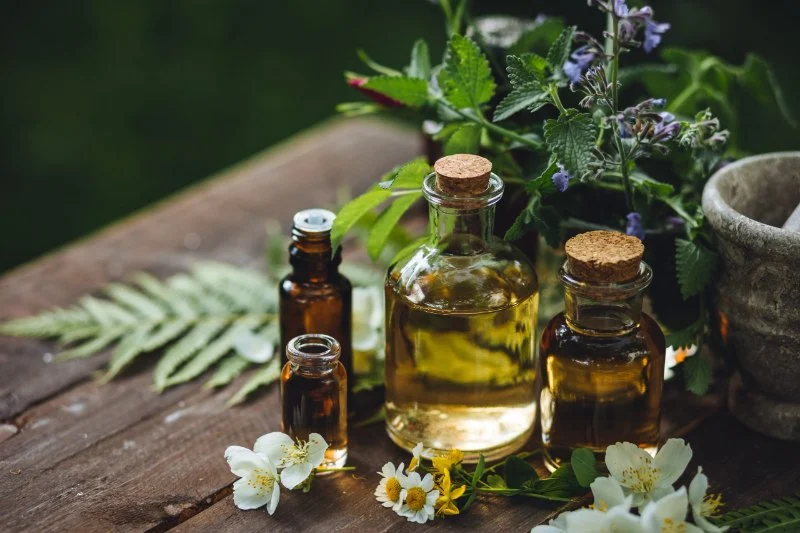
- 1 - Introduction to Natural Oils for Pest Control
- 2 - Effective Natural Oils for Pest Prevention
- 3 - How to Use Essential Oils for Pest Control
- 4 - Benefits of Using Natural Oils for Pest Control
- 5 - Safe Usage Tips for Essential Oils
1 - Introduction to Natural Oils for Pest Control
Natural oils, especially essential oils, have been used for centuries to repel pests without relying on harmful chemicals. With growing concerns about the environmental impact of chemical pesticides, many people are turning to natural alternatives. Essential oils offer a safe and eco-friendly solution to keep pests away from your home and garden. These oils are derived from plants and can be used in various forms such as sprays, diffusers, and direct applications.
2 - Effective Natural Oils for Pest Prevention
There are several essential oils known for their effectiveness in repelling common household and garden pests. Below are some of the most popular and potent oils for pest prevention:
2.1 Lavender Oil
Lavender oil is widely known for its pleasant fragrance, but it also serves as a powerful repellent for mosquitoes, flies, and moths. Its calming scent is disliked by many pests, making it a great addition to any natural pest control regimen.
2.2 Peppermint Oil
Peppermint oil is highly effective at repelling ants, spiders, and mice. Its strong, minty scent disrupts the sensory systems of many pests, causing them to stay away from treated areas. It’s also a natural deterrent to cockroaches.
2.3 Eucalyptus Oil
Eucalyptus oil is a popular choice for keeping mosquitoes, flies, and other flying insects at bay. It has a strong, refreshing scent that pests find unpleasant. You can use it in sprays or diffusers for continuous protection.
2.4 Tea Tree Oil
Tea tree oil is known for its antimicrobial properties and is effective in repelling ants, cockroaches, and mosquitoes. Its potent scent makes it a reliable option for those seeking to keep their homes pest-free naturally.
2.5 Lemon Oil
Lemon oil is another great natural pest repellent, particularly effective against mosquitoes, flies, and ants. Its citrusy scent disrupts pest movements and creates an unfavorable environment for them.
3 - How to Use Essential Oils for Pest Control
To effectively use essential oils for pest control, there are several methods you can try. Below are some of the most popular ways to apply these oils:
3.1 DIY Essential Oil Spray
One of the simplest ways to use essential oils for pest control is by making a DIY essential oil spray. Here’s how you can do it:
- Mix 10-20 drops of your chosen essential oil (like peppermint, lavender, or eucalyptus) with 1 cup of water in a spray bottle.
- Add 1 teaspoon of dish soap to help emulsify the oils with the water.
- Shake well before use and spray directly onto surfaces where pests are present or around entry points like doors and windows.
3.2 Essential Oil Diffuser
Using an essential oil diffuser is an effective way to disperse the scent of natural oils throughout a room. For pest prevention, place the diffuser in areas where you’ve seen pests, or in places like kitchens and entryways that are common points of entry for insects.
3.3 Cotton Ball Method
If you have a specific area where you want to deter pests, you can apply a few drops of essential oil to a cotton ball and place it in that area. For example, placing a lavender-scented cotton ball in closets can prevent moths from infesting clothing.
3.4 Essential Oil-Based Bug Repellent Lotion
You can also create a natural bug repellent lotion by mixing essential oils with a carrier oil (such as coconut or olive oil). Apply this lotion directly to your skin to ward off mosquitoes and other bugs during outdoor activities.
4 - Benefits of Using Natural Oils for Pest Control
Natural oils offer a range of benefits for pest control that make them a preferred choice for many homeowners:
4.1 Non-Toxic and Safe
Unlike chemical pesticides, essential oils are non-toxic and safe for children and pets. This makes them a much safer alternative for households with young ones or animals. They also do not leave harmful residues on surfaces or in the air.
4.2 Eco-Friendly
Using natural oils for pest control helps protect the environment. Essential oils are biodegradable and derived from renewable plant sources, making them more eco-friendly than synthetic chemicals.
4.3 Affordable and Easy to Use
Essential oils are an affordable option for pest prevention, especially when compared to the cost of commercial pesticides. They are easy to use and can be found at most health food stores or online retailers.
4.4 Pleasant Fragrance
One of the key advantages of using essential oils for pest control is that they also add a pleasant, natural fragrance to your home. Unlike chemical sprays, which often have harsh, unpleasant smells, essential oils can make your home smell fresh while keeping pests away.
5 - Safe Usage Tips for Essential Oils
While essential oils are natural, they are still potent and should be used safely. Here are some tips for safe usage:
5.1 Dilute Properly
Always dilute essential oils with a carrier oil or water before applying them directly to skin or surfaces. Undiluted oils can cause skin irritation or other adverse reactions.
5.2 Keep Away from Sensitive Areas
Be mindful of sensitive areas like the eyes, nose, and mouth when using essential oils. Also, avoid applying them directly to children’s or pets’ skin.
5.3 Test for Allergies
Before using a new essential oil, do a patch test to check for any allergic reactions. Apply a small amount of diluted oil to a small area of skin and wait 24 hours to see if any irritation occurs.



 Bug Out4.0 (9 reviews)
 Bob Thomas Pest Control4.0 (37 reviews)
 ASAP Wildlife Control and Removal - North Carolina4.0 (6 reviews)
 Vanguard Wildlife Solutions4.0 (26 reviews)
 Tilley Pest Control5.0 (174 reviews)
 Bauman's Wildlife & Pest Control LLC5.0 (15 reviews)
 How to Safely Relocate Wildlife (Skunks, Opossums, Birds): A Comprehensive Guide
 How to Inspect for Pests After Heavy Rain
 How to Get Rid of Bed Bugs Without Poisoning Your Home
 How to Seal Cracks Around Roofline for Better Home Protection
 How to Evaluate Pest Return Risk Over Time: Key Factors and Tips
 How to Control Pests in Crawl Space Vents