1. Introduction: The Importance of Pest Control in Subdivisions
Pest control in subdivisions is essential to maintaining a healthy, safe, and comfortable living environment. In densely populated areas where homes are close together, pests such as rodents, ants, mosquitoes, and termites can quickly spread from one property to another. A well-planned pest control strategy can help protect the entire subdivision from infestations while preserving the aesthetics and comfort of each home. In this article, we will explore how to develop an effective pest control plan for subdivisions and the best practices for keeping pests at bay.

EcoShield Pest Solutions
JessupAnne Arundel CountyMaryland
12011 Guilford Rd Unit 102, Annapolis Junction, MD 20701, USA
2. Key Factors to Consider in Planning Pest Control for Subdivisions
To develop an effective pest control plan for a subdivision, several factors must be considered. A one-size-fits-all approach will not work, as each community may have different pest issues, environmental conditions, and resident concerns. Below are key elements to keep in mind when planning:
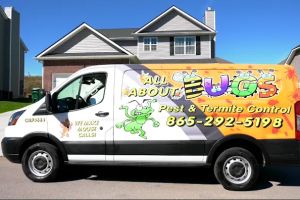
All About Bugs Pest & Termite Control
SeviervilleSevier CountyTennessee
2807 Southwinds Cir, Sevierville, TN 37876, USA
2.1 Identifying Common Pests
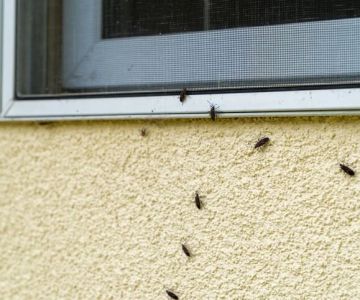
The first step in creating a pest control plan is identifying the most common pests in your area. In subdivisions, pest problems may vary based on climate, landscaping, and the type of homes. Some of the most common pests in subdivisions include:
- Rodents: Mice and rats are common in suburban areas, especially during colder months.
- Ants: Ant infestations can spread quickly through homes and yards.
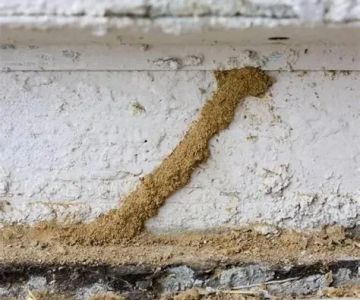
- Termites: These wood-destroying pests can cause significant damage to structures if left untreated.
- Bedbugs: Often found in densely populated areas, bedbugs are a growing concern in many neighborhoods.
- Mosquitoes: Subdivisions near water sources are more likely to experience mosquito problems.
2.2 Environmental Factors
The layout and environment of the subdivision play a significant role in pest control. Factors such as proximity to water bodies, wooded areas, and the types of plants in the community can all impact pest populations. Understanding these environmental conditions will help in designing an effective pest management strategy.
2.3 Resident Participation
Effective pest control in subdivisions requires the cooperation of all residents. Individual efforts can go a long way in preventing infestations. Encouraging residents to keep their homes free of food waste, seal entry points, and report any pest issues promptly can significantly improve the overall success of the pest control plan.
3. Integrated Pest Management (IPM): A Sustainable Approach
One of the most effective and environmentally friendly ways to manage pest control in subdivisions is through Integrated Pest Management (IPM). IPM is a holistic approach that focuses on long-term prevention through a combination of methods that minimize environmental impact and reduce reliance on chemical pesticides. Here's how to incorporate IPM into your subdivision's pest control plan:
3.1 Prevention First
Prevention is the cornerstone of IPM. Start by addressing the environmental factors that attract pests, such as standing water, overgrown vegetation, and cluttered areas around homes. Seal cracks and gaps in buildings to prevent rodents and insects from entering homes. Educate residents about proper waste management and the importance of keeping their homes tidy.
3.2 Monitoring and Early Detection
Regular monitoring of common pest hotspots within the subdivision is essential for early detection. Community-wide pest inspections should be scheduled periodically to assess potential pest problems. Early detection helps reduce the need for extensive treatments and minimizes pest damage.
3.3 Biological and Mechanical Controls
Incorporate biological control methods, such as introducing natural predators like ladybugs for aphid control or releasing beneficial nematodes for soil pests. Mechanical control methods, such as traps for rodents or insect barriers, can also be effective without harming the environment.
3.4 Chemical Control as a Last Resort
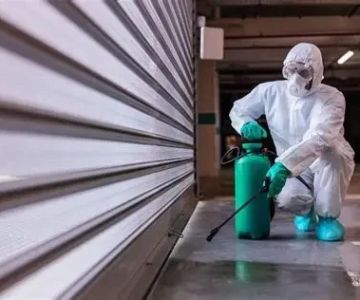
Chemical treatments should be used sparingly and only as a last resort. When necessary, opt for eco-friendly pesticides that have minimal impact on the environment, local wildlife, and human health. Always follow safety guidelines and regulations when applying chemical pest control solutions.
4. Establishing a Community-Wide Pest Control Program
Implementing a subdivision-wide pest control program can help streamline efforts and ensure consistent pest management. Here are some strategies for creating a successful program:
4.1 Appoint a Pest Control Coordinator
Designate a community representative to serve as the pest control coordinator. This person can liaise with pest control professionals, oversee pest inspections, and ensure that residents are informed and involved in the program.
4.2 Develop a Communication Plan
Clear communication is essential for the success of any pest control program. Develop a communication plan that includes regular updates to residents, details on pest control procedures, and guidelines for reporting pest sightings. Use community newsletters, email lists, or a neighborhood app to keep everyone informed.
4.3 Establish a Pest Control Budget
Funding for the pest control program is a critical aspect of its success. Create a budget that covers pest inspections, treatments, and ongoing prevention measures. Ensure that the costs are divided fairly among residents, either through a one-time fee or annual dues.
4.4 Collaborate with Professional Pest Control Services
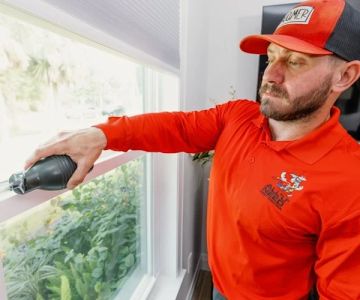
Hiring a professional pest control company with experience in subdivision management is often the most effective solution. A professional can assess the scope of the problem, implement IPM strategies, and provide ongoing pest monitoring and treatments. Ensure that the service provider uses environmentally responsible methods.
5. Case Study: Successful Pest Control in a Subdivision
Consider a real-life example of a subdivision that successfully implemented a pest control plan. In one community, residents dealt with a growing rodent problem that spread throughout several homes. By following an IPM approach, the community took proactive steps to eliminate food sources, seal entry points, and deploy traps. After a series of professional inspections and treatments, the subdivision saw a significant reduction in rodent activity, and the residents became more educated about maintaining their homes to prevent future infestations.
6. Conclusion: Effective Pest Control is a Team Effort
Planning pest control in subdivisions requires a comprehensive, community-wide approach. By identifying common pests, utilizing Integrated Pest Management, and fostering resident participation, a subdivision can effectively manage pest issues while maintaining a safe and pleasant environment for all. Whether you choose to work with professional pest control companies or implement an in-house program, the key to success lies in proactive prevention, early detection, and community cooperation. For more pest control tips and services, visit PestControlHub.

 Brasure's Pest Control4.0 (873 reviews)
 Eagle Pest Service Control5.0 (126 reviews)
 Terminix Triad4.0 (181 reviews)
 Ashcraft Termite and Pest4.0 (16 reviews)
 Forest to Shore5.0 (23 reviews)
 Golden Touch Pest Services Inc5.0 (23 reviews)
 How to Use Low Impact Treatments in Sensitive Areas for Effective Pest Control
 How to Safely Use Fumigation Methods: A Comprehensive Guide for Homeowners
 How to Deal With Pest Infestations in Condos
 How to Reduce Pest Attraction to Bird Feeders | Pest Control Tips
 How to Create a Pest-Resistant Garden
 How to Evaluate Pest Control Technologies for Effective Solutions