
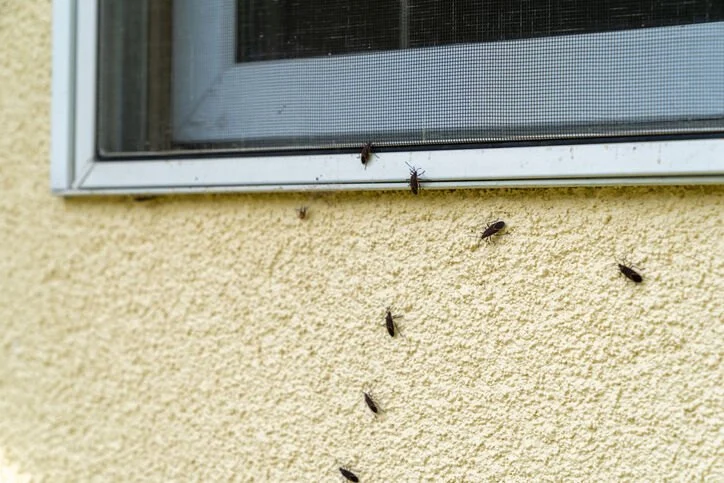
How to Keep Your Home Pest-Free After Renovations
Renovating your home can be an exciting and transformative process, but it can also inadvertently attract unwanted pests. After construction or remodeling projects, your home is more vulnerable to infestations if proper steps are not taken to secure it. In this guide, we'll show you how to keep your home pest-free after renovations with expert tips on prevention, management, and long-term pest control strategies.
- 1. Understanding the Link Between Renovations and Pests
- 2. Effective Post-Renovation Pest Prevention Tips
- 3. Securing Potential Entry Points
- 4. Utilizing Professional Pest Control Services
- 5. Maintaining a Pest-Free Environment Long-Term
1. Understanding the Link Between Renovations and Pests
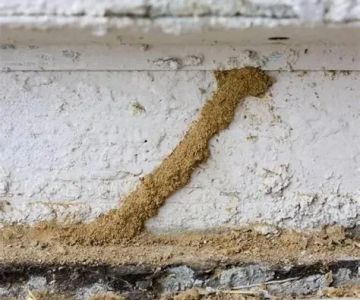
When you undertake a renovation project, it's not just the dust and debris that need attention. Renovations can create opportunities for pests to invade your home. The disruption of walls, floors, and ceilings can expose cracks, holes, and gaps, providing easy access points for pests like rodents, ants, and termites. Additionally, construction materials such as wood, drywall, and insulation can attract pests looking for food or shelter.
- Exposed Gaps: During renovations, walls and floors may be temporarily opened up, leaving behind pathways for pests to enter.
- Attractive Materials: Wood and other organic materials used during construction can attract wood-destroying insects like termites.
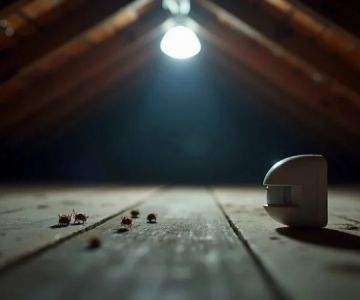
- Debris: Construction debris such as piles of wood or leftover scraps can provide ideal hiding places for pests.
2. Effective Post-Renovation Pest Prevention Tips
Once your renovations are complete, it's essential to take specific measures to avoid pest problems. Here are some expert tips to help you keep your home pest-free:
- Clean Thoroughly: After construction work, remove any leftover debris, dust, or construction materials. Pests often find food sources in the clutter, so cleanliness is key.
- Seal Cracks and Gaps: Ensure that any cracks or gaps in walls, windows, or floors are sealed properly to prevent pests from entering.
- Install Screens on Vents and Windows: Adding screens to open vents and windows helps to prevent insects and rodents from gaining entry.
- Use Natural Repellents: Consider using natural pest repellents, such as peppermint oil or diatomaceous earth, to deter pests without harmful chemicals.
3. Securing Potential Entry Points
One of the most important steps in keeping pests at bay is to secure any potential entry points into your home. Here’s how to protect your home:
- Check for Cracks and Gaps: Regularly inspect the foundation, walls, and around windows and doors for any cracks or gaps that could be entryways for pests.
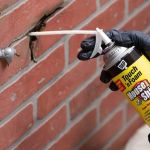
- Seal Gaps Around Pipes and Wiring: Seal around utility lines where they enter your home to prevent rodents or insects from slipping through.
- Repair Damaged Roofs: Ensure that your roof is in good condition, as damaged areas can allow pests like birds or squirrels to enter.
4. Utilizing Professional Pest Control Services
While DIY methods can be effective, professional pest control services provide a more thorough and reliable approach, especially after a renovation. Pest control experts can conduct a comprehensive inspection, identify potential risks, and implement targeted solutions that prevent infestations.
- Inspection: A pest control professional can identify hidden entry points or infestations that might go unnoticed during a standard home inspection.
- Customized Treatments: Professional pest control services use specialized treatments tailored to your home's needs, offering more lasting protection than over-the-counter products.
- Ongoing Monitoring: Many pest control companies offer ongoing monitoring and prevention services to keep your home pest-free for the long term.
5. Maintaining a Pest-Free Environment Long-Term
Keeping your home pest-free requires ongoing vigilance. Here are some long-term strategies to maintain a clean, pest-free home after renovations:
- Regular Inspections: Schedule regular inspections to catch early signs of pests and prevent larger infestations.
- Proper Waste Management: Ensure trash is taken out regularly, and keep garbage bins tightly sealed to avoid attracting pests.
- Maintain Landscaping: Trim trees and shrubs away from your house to prevent pests from using them as a bridge to enter your home.
- Routine Cleaning: Maintain a clean home by vacuuming regularly, especially after renovations, to ensure no food crumbs or debris are left behind.
By following these expert tips and maintaining consistent pest control measures, you can ensure your home stays free from pests long after your renovation projects are completed. If you're looking for more guidance on pest prevention, visit PestControlHub for the best products and services available to protect your home.

 Viking Pest Control4.0 (858 reviews)
 Bizzy Bee Exterminators4.0 (7 reviews)
 Zero Mosquito5.0 (101 reviews)
 Creature Catchers of Columbus, LTD4.0 (47 reviews)
 Capital City Exterminating Co., Inc.4.0 (26 reviews)
 BRS Backyard Bug Busters5.0 (233 reviews)
 How to Use Biological Control Agents in Home Use for Effective Pest Management
 How to Control Pests Without Pesticides
 How to Use Thermal Imaging to Spot Termite Damage in Your Home
 How to Prevent Pest Infestations in Sheds and Outbuildings
 How to Detect Termites Under Slab Foundations
 How to Seal Gaps Around Utility Lines for Pest Prevention