
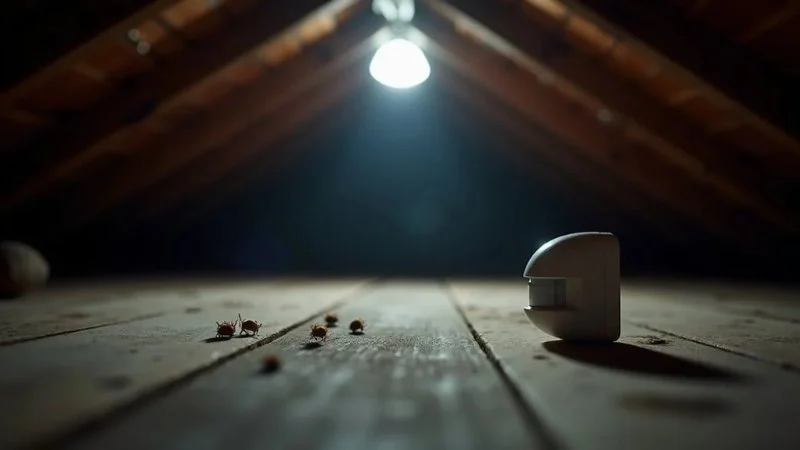
- 1. Introduction to Smart Sensors for Rodent Detection
- 2. Types of Smart Sensors for Rodent Detection
- 3. Benefits of Using Smart Sensors
- 4. How to Implement Smart Sensors in Your Home
- 5. The Future of Rodent Control with Smart Sensors
1. Introduction to Smart Sensors for Rodent Detection
Rodent infestations can be a major problem in any household, especially when they go unnoticed until the damage is done. Thankfully, the advent of smart sensors has revolutionized the way we manage rodent control. These sensors are designed to detect the presence of rodents in real-time, providing early warning signs and improving the effectiveness of pest management strategies.

2. Types of Smart Sensors for Rodent Detection
Smart sensors come in various forms, each offering unique features for detecting rodent activity. Some of the most popular types include:
- Motion Sensors: These sensors detect movement in specific areas of your home, alerting you when rodents pass by or enter a particular space.
- Sound Sensors: Specialized sensors that pick up sounds of rodents, such as scratching or squeaking, allowing for real-time monitoring.
- Infrared Sensors: These sensors detect changes in temperature and can identify the heat signature of rodents, even in dark or concealed areas.
- Vibration Sensors: These detect vibrations caused by rodents scurrying across floors or walls, alerting homeowners to potential infestations.
3. Benefits of Using Smart Sensors
Smart sensors for rodent detection offer numerous advantages for homeowners looking to manage pest control more effectively:
- Real-Time Alerts: Receive immediate notifications when rodent activity is detected, allowing you to take prompt action.
- Discreet Monitoring: Smart sensors can operate quietly in the background without disturbing your daily life while keeping you informed.
- Remote Access: Many smart sensors connect to your smartphone or smart home system, enabling you to monitor rodent activity from anywhere.
- Early Detection: By detecting rodents early, smart sensors help prevent damage to property and reduce the need for costly repairs.
4. How to Implement Smart Sensors in Your Home
Implementing smart sensors for rodent detection is simple and can be done in a few easy steps:
- Identify High-Risk Areas: Look for common entry points for rodents, such as cracks, crevices, and areas near food storage.
- Choose the Right Sensors: Depending on your needs, select the type of smart sensor that will work best for your home and rodent issues.
- Install the Sensors: Follow the manufacturer's instructions to set up the sensors. Most devices are easy to install and require minimal tools.
- Connect to Your App or Smart Home System: Many sensors offer integration with your smartphone or home automation system, allowing for real-time monitoring.
- Monitor and Maintain: Regularly check the sensors to ensure they are functioning properly and make adjustments as necessary.
5. The Future of Rodent Control with Smart Sensors
The future of rodent control looks bright with the continued development of smarter, more intuitive sensors. In the coming years, sensors could become even more sophisticated, using AI and machine learning to better predict and detect rodent behavior. Additionally, smart sensors could become integrated with other smart home systems, allowing for automated responses such as sealing off entry points or activating deterrent systems.
For those looking to stay ahead of the curve and ensure a rodent-free home, smart sensors are a must-have. Explore the latest in pest control technology at 【PestControlHub】 for products and services to help protect your home from pests.




 Accel Pest & Termite Control5.0 (1022 reviews)
 Nature Is My Office LLC.5.0 (10 reviews)
 The Yard Gard - Organic Tick & Mosquito Control4.0 (24 reviews)
 Truly Nolen Pest & Termite Control4.0 (39 reviews)
 Aptive Pest Control4.0 (123 reviews)
 Bug Shark Columbus4.0 (283 reviews)
 How to Seal Pest Entry at Foundation Corners: Expert Tips and Techniques
 How to Use Preventative Barriers Early
 How to Choose Treat-or-No-Treat When Pest Signs Are Mild
 How to Spot Termite Tunnels on Your Property
 What to Do Immediately After Spotting a Pest in Your Home: Essential First Steps
 How to Control Pests During Remodeling Projects: Essential Tips for Homeowners