
Termite Inspection: Key Areas Most Homeowners Miss
- What Is a Termite Inspection?
- Commonly Missed Areas During Termite Inspections
- How to Properly Inspect for Termites
- Why Early Detection Is Important
- Preventing Future Termite Infestations
What Is a Termite Inspection?
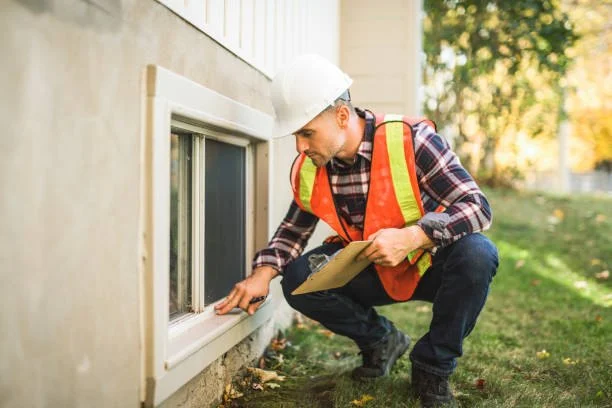
A termite inspection is a thorough examination of a property to determine the presence of termites or other wood-destroying insects. These inspections are critical for homeowners looking to protect their property from extensive damage caused by termite infestations. A professional inspector will check various parts of the home, including the foundation, wood structures, and areas prone to moisture, where termites are likely to nest. Routine termite inspections are essential for early detection and effective control.
Blue Sky Mosquito & Pest Control
Rock HillYork CountySouth Carolina
331 E Main St, Rock Hill, SC 29730, USA
Commonly Missed Areas During Termite Inspections
While termite inspections are designed to be thorough, there are several areas where inspectors or homeowners may overlook signs of infestation. These missed areas can result in costly damage that could have been prevented with a more detailed inspection. Here are the key areas that are commonly missed:

1. Crawl Spaces and Attics
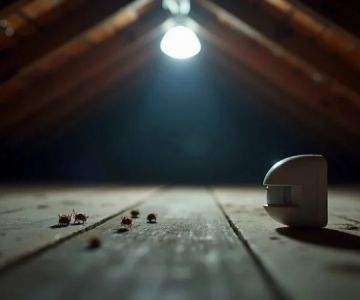
Crawl spaces and attics are often difficult to access or neglected during inspections. However, these areas are prime spots for termite activity, especially when they are damp and poorly ventilated. Termites may enter these hidden spaces unnoticed, causing significant damage before being discovered.
2. Wooden Decks and Fencing
Decks and wooden fences are directly exposed to the ground, making them vulnerable to termite attacks. The base of the wood in contact with the soil is especially at risk. Many homeowners neglect to include these structures in a routine inspection, but termites can quickly travel up into the wood, leading to unnoticed damage.
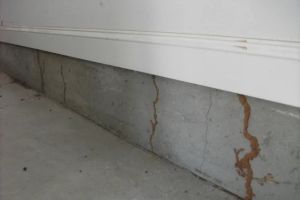
3. Foundation Cracks
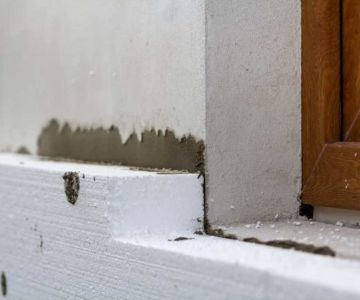
Foundation cracks are an easy entry point for termites, especially subterranean species. Homeowners may focus on visible signs of damage, but the foundation's integrity must be checked for potential termite entry points. Even small cracks or gaps can allow termites to infiltrate unnoticed.
4. Moisture-Prone Areas
Moisture attracts termites, and areas with high humidity, such as basements, kitchens, and bathrooms, are hotspots for infestation. Inspecting these areas for water leaks, dampness, or mold growth is essential to prevent termites from settling in. Often, homeowners may overlook small leaks, leading to unnoticed infestations.
5. Wall and Floor Voids
Termites can tunnel through walls and floors, and their presence can remain undetected until significant damage occurs. These areas are often overlooked during a visual inspection, making it vital to perform more in-depth checks using professional tools like moisture meters or thermal imaging cameras.
How to Properly Inspect for Termites
To ensure a comprehensive termite inspection, homeowners should follow these steps:
- Look for Signs of Termite Activity: Check for mud tubes, discarded wings, or termite droppings near foundations, windowsills, and other wood structures.
- Inspect Wooden Structures and Furniture: Tap wood with a screwdriver or small hammer to listen for hollow sounds, which may indicate termites are present inside.
- Use a Moisture Meter: High moisture areas often attract termites, so use a moisture meter to detect hidden damp spots that may be conducive to infestation.
- Consider Professional Help: For hard-to-reach areas or if you're unsure of the signs, it's always wise to hire a professional inspector who can use advanced tools to identify infestations.
Why Early Detection Is Important
Early detection of termites can save homeowners from expensive repairs and prevent widespread structural damage. Since termites feed on wood, which is often hidden behind walls and floors, by the time significant damage is visible, it can be too late. Regular inspections can help identify early signs of termite activity, allowing for quick action to eliminate the problem before it escalates.
Preventing Future Termite Infestations
After identifying and addressing any current infestations, homeowners should take steps to prevent future termite problems:
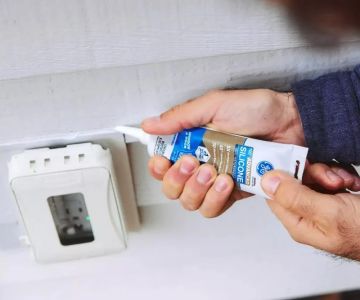
- Seal Cracks and Gaps: Make sure there are no gaps in your foundation or exterior walls that could serve as entry points for termites.
- Maintain Proper Drainage: Ensure that gutters and downspouts direct water away from the house to prevent moisture buildup around the foundation.
- Remove Wood Debris: Remove dead trees, branches, and other wood debris from around your property to eliminate potential nesting sites.
- Apply Preventive Treatments: Consider applying termite barriers or chemical treatments around the perimeter of your home as an added precaution.
By regularly inspecting these commonly missed areas and taking proactive measures, homeowners can keep their properties protected from termites. For more expert advice, tips, and pest control solutions, visit PestControlHub for the latest products and services to protect your home.


 Ehrlich Pest Control4.0 (305 reviews)
 Knock Em Dead Pest Control5.0 (48 reviews)
 Mantis Pest Control LLC4.0 (51 reviews)
 A & E Pest Control Inc4.0 (69 reviews)
 Fleck Pest Management4.0 (57 reviews)
 Richmond Animal Exterminator5.0 (133 reviews)
 How to Use Low-Toxicity Sprays in Sensitive Areas – Safe Pest Control Solutions
 Why Pests Are More Active After Rain
 How to Manage Pest Issues in Older Homes: Tips for Homeowners
 How to Keep Wasps Away From Garage Openings
 How Pest Control Differs in Cold Regions: Strategies and Considerations
 How to Prevent Pest Issues During Home Staging | PestControlHub