
- Understanding Wall Voids and Common Pests
- Signs of Pest Activity in Wall Voids
- Tools for Detecting Pests in Walls
- Prevention and Treatment of Pests in Wall Voids
- Real-Life Case Studies of Pest Activity in Wall Voids
- When to Call Professional Pest Control Services
1. Understanding Wall Voids and Common Pests
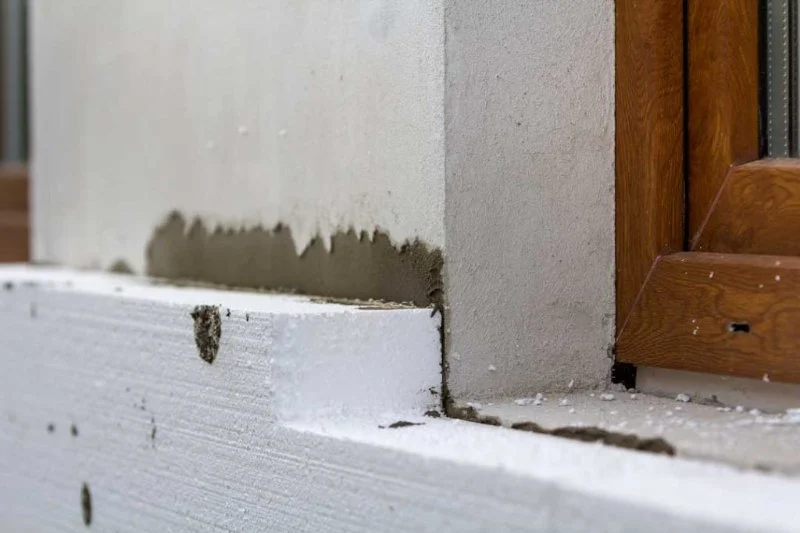
Wall voids, the empty spaces within walls of your home, are prime locations for pests to hide, nest, and cause damage. These voids are typically filled with insulation and are often dark and undisturbed, making them perfect for pests like rodents, termites, and insects to make their home.
Common pests found in wall voids include:
- Rodents: Mice and rats often find their way into wall voids, chewing through insulation, electrical wires, and even wood. They leave droppings and gnaw marks as evidence of their presence.
- Termites: These silent destroyers can cause significant structural damage by feeding on wood in the walls. Termite activity may not be immediately visible, but they leave trails or hollow sections of wood.
- Insects: Ants, cockroaches, and other insects are known to use wall voids as pathways or nesting sites. These pests can infest your home without being easily detectable at first.
2. Signs of Pest Activity in Wall Voids
Detecting pest activity in wall voids early is essential to preventing serious damage to your home. Here are some common signs that you may have pests hiding in your walls:
- Scratching Noises: If you hear scratching, scurrying, or gnawing noises coming from your walls, this is a strong indication of rodent or insect activity. These sounds are typically more noticeable at night when pests are most active.
- Chew Marks or Holes: Rodents and termites often leave visible signs of damage. Look for small holes in drywall, chew marks around baseboards, or signs of gnawing along the edges of your walls.
- Droppings: Rodent droppings or insect carcasses are often found near entry points or along the edges of walls. These can be a clear sign of an infestation inside your walls.
- Unexplained Odors: A musty, pungent smell can indicate the presence of pests, particularly rodents, or mold caused by pests like termites. Foul odors are often strongest near the wall voids or areas of heavy infestation.
- Visible Damage to Insulation: Check your insulation for bite marks, holes, or tunneling patterns. Termites and rodents can damage insulation, which may lead to higher energy bills due to inefficient insulation.
3. Tools for Detecting Pests in Walls
If you suspect pest activity in your wall voids, there are a few tools and techniques you can use to help detect and confirm the presence of pests:
- UV Light: A UV light can reveal rodent urine or insect trails, which may not be visible to the naked eye. This is especially useful for detecting hidden pests in dark areas like wall voids.
- Thermal Cameras: Thermal imaging cameras can detect heat sources in your walls, which may indicate pest activity. This tool is effective for locating hot spots where rodents or insects are present.
- Inspection Mirrors: A small, handheld mirror can be used to peek into areas of the wall that are hard to reach. This is particularly useful for checking behind baseboards or other tight spaces.
- Sticky Traps: Place sticky traps in areas where you suspect pest activity. These traps can catch rodents and insects, providing visual evidence of an infestation in your walls.
4. Prevention and Treatment of Pests in Wall Voids
Once you’ve identified pest activity in your wall voids, it’s important to take steps to prevent further damage and treat the infestation. Here are some tips for dealing with pests in wall voids:
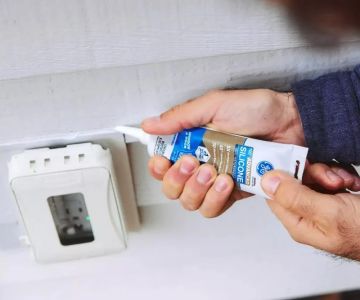
- Seal Entry Points: Inspect your walls for any cracks, holes, or gaps that pests could use to enter your home. Seal these openings with caulk or steel wool to prevent further access.
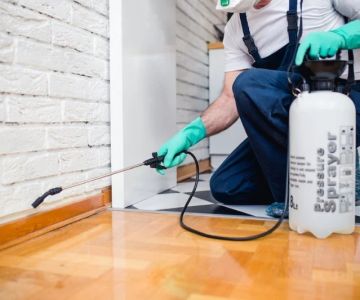
- Use Bait and Traps: Place rodent bait or traps in areas where you suspect activity. For insects, use appropriate insecticides or baits to target specific pests like ants or cockroaches.
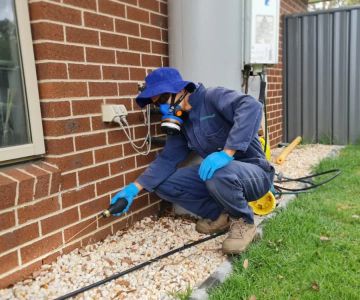
- Call a Professional Exterminator: If the infestation is severe or if you’re unsure how to proceed, contact a pest control professional. They can assess the situation and provide targeted treatments for your home.
- Install Moisture Barriers: For termite prevention, install moisture barriers in areas where moisture may accumulate. Termites are attracted to wet environments, so reducing humidity in wall voids can deter them from nesting in your walls.
5. Real-Life Case Studies of Pest Activity in Wall Voids
Here are some real-life examples to help illustrate the importance of identifying and treating pest activity in wall voids:
Case Study 1: Emily, a homeowner in an older house, started noticing small holes in her drywall and a strange musty odor. After hearing scratching noises coming from the walls, she used a UV light and thermal camera to confirm rodent activity inside her walls. She sealed the entry points and set traps, which successfully eliminated the infestation.
Case Study 2: John, who had recently moved into a new home, found unexplained damage to his insulation. After further investigation, he discovered that termites were present in the wall voids, causing significant damage. John called a professional pest control service, who applied a targeted treatment that solved the problem before it spread to other parts of the home.
6. When to Call Professional Pest Control Services
If you’re unable to manage the pest activity in your wall voids on your own, or if the infestation is extensive, it’s time to call a professional pest control service. These experts can accurately diagnose the problem and offer tailored solutions to eliminate pests and prevent future infestations. They may also offer ongoing maintenance plans to ensure your home remains pest-free.
If you need reliable pest control products or professional services, consider visiting PestControlHub, where you can find the right solutions for your pest issues.



 Viking Pest Control4.0 (858 reviews)
 JRA Exterminating, LLC5.0 (12 reviews)
 Insight Pest Solutions5.0 (762 reviews)
 Terminix4.0 (2125 reviews)
 MUG-A-BUG4.0 (41 reviews)
 Maple Lane Pest Control4.0 (340 reviews)
 How to Protect Your Home from Cockroaches in Hot Weather
 How to Predict Which Pests Will Invade Next: Expert Tips and Insights
 How to Prevent Pest Return After Treatment: Effective Strategies
 How to Block Pest Entry Around Deck Joists: Effective Solutions
 How to Safely Deal with Dead Rodents in Your Home
 What Home Buyers Should Know About Pests Before Closing