
- 1. Introduction: Understanding the Challenge of Hard-to-Reach Areas
- 2. Effective Solutions for Controlling Termites in Difficult Areas
- 3. Tools and Techniques for Reaching Hidden Termite Colonies
- 4. Prevention Tips to Keep Termites Away
- 5. Real-Life Case Study: Termite Control Success
1. Introduction: Understanding the Challenge of Hard-to-Reach Areas
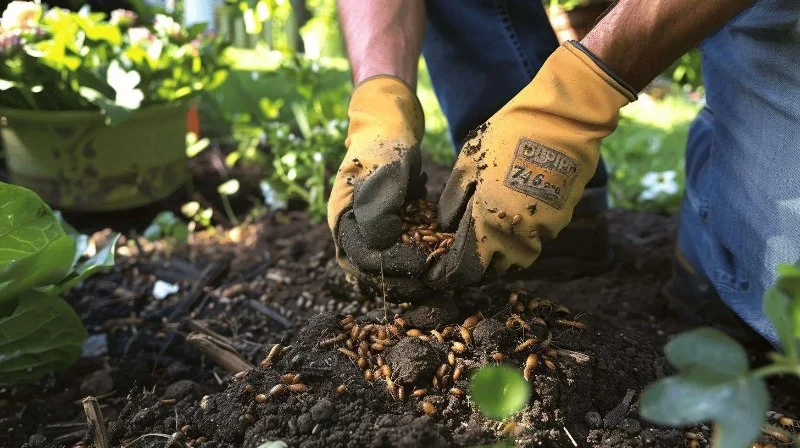
Termites are a persistent problem for homeowners, but controlling them in hard-to-reach areas can be particularly challenging. These pests often invade spaces that are difficult to inspect or treat, such as wall voids, attics, crawl spaces, and under floors. The difficulty in accessing these areas makes it harder to detect early signs of an infestation, but with the right techniques, it is possible to manage and prevent termite damage even in these hidden spots.
Arete Pest Control
AlpharettaFulton CountyGeorgia
2475 Northwinds Pkwy Suite 200, Alpharetta, GA 30009, USA
2. Effective Solutions for Controlling Termites in Difficult Areas
There are several effective methods to tackle termite infestations in hard-to-reach areas. Whether you are dealing with drywood termites in attic spaces or subterranean termites under your foundation, here are some proven strategies:

Pestechs Pest Control
RockvilleMontgomery CountyMaryland
1451 Rockville Pike Suite 250, Rockville, MD 20852, USA
2.1 Baiting Systems
One of the most effective ways to control termites in hard-to-reach areas is by using termite baiting systems. These systems consist of bait stations placed around your property. The bait attracts termites, which then carry the poison back to their colony, effectively eliminating the nest. Baiting systems are particularly useful for treating subterranean termites, which nest deep underground.
2.2 Liquid Termite Barriers
Liquid termite barriers can be applied around the perimeter of your home, targeting areas where termites are likely to enter. These barriers are injected into the soil and form an invisible, non-repellent chemical barrier that termites cannot detect. As they move through the treated soil, they are killed, preventing them from reaching your home.
2.3 Direct Treatment with Foam
In areas that are particularly hard to access, such as behind walls or inside structural cavities, foam-based treatments can be highly effective. The foam expands to fill gaps and crevices, allowing it to reach termites hiding deep within the structure. Foam treatments are often used in conjunction with baiting systems for maximum effectiveness.
3. Tools and Techniques for Reaching Hidden Termite Colonies
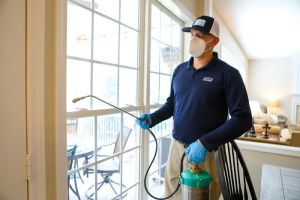
Effective termite control in hard-to-reach areas often requires specialized tools and techniques. Here are a few tools that can help homeowners and pest control professionals access and treat hidden termite colonies:
3.1 Termite Inspection Tools
Advanced tools, such as moisture meters, infrared cameras, and borescopes, can help detect termites in hidden areas. These tools allow for non-invasive inspections, ensuring that termites are identified early and treated before the infestation spreads.
3.2 Extension Rods and Injectors
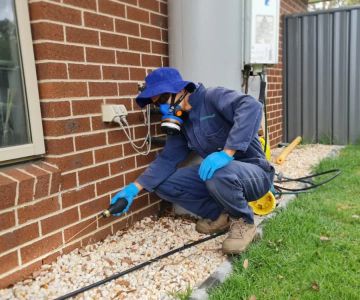
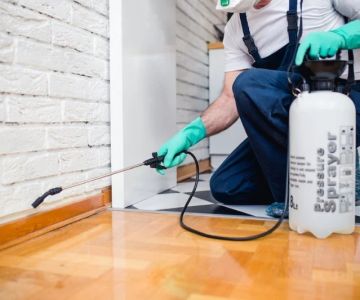
Extension rods and injectors are essential tools for applying liquid treatments to hard-to-reach areas. These tools allow pest control professionals to inject chemicals deep into the soil or structural voids where termites may be hiding.
4. Prevention Tips to Keep Termites Away
Once you've successfully controlled a termite infestation, it's essential to implement preventative measures to avoid future problems. Here are some helpful prevention tips:
4.1 Regular Inspections
Regular termite inspections are critical to catching infestations early. Schedule an inspection at least once a year, especially if you live in an area prone to termite activity. Early detection is key to preventing major damage.
4.2 Eliminate Moisture Sources
Termites are attracted to moisture, so reducing excess moisture around your home can make it less appealing to these pests. Fix any leaks, ensure proper drainage, and avoid standing water near the foundation.
4.3 Seal Gaps and Cracks
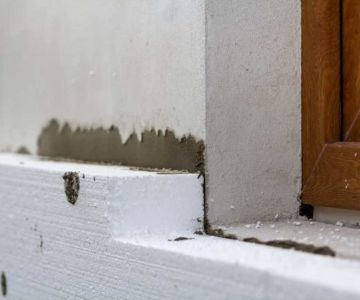
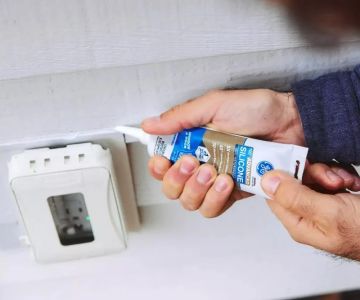
Sealing cracks and gaps around your home can prevent termites from gaining access. Check around windows, doors, pipes, and other entry points to ensure they are properly sealed.
5. Real-Life Case Study: Termite Control Success
A family in Florida was experiencing persistent termite problems in the walls of their home, especially in areas that were difficult to access. After a thorough inspection, they opted for a combination of liquid termite barriers and baiting systems. The termite colony was successfully eradicated, and regular maintenance inspections were scheduled to prevent future infestations. By using targeted treatments and ongoing monitoring, the family was able to restore their peace of mind and protect their home.


 Greenix Pest Control4.0 (2642 reviews)
 Hilltop Pest Control5.0 (28 reviews)
 Masonic Temple Pest Control5.0 (14 reviews)
 Pest Busters- Naperville5.0 (29 reviews)
 Getem Services5.0 (381 reviews)
 Rocket Pest Control4.0 (54 reviews)
 How to Monitor Pest Behavior Over Time for Effective Control
 How to Seal Pest Entry at Foundation Corners: A Step-by-Step Guide
 How to Seal Gaps Around Exterior Outlets for Better Insulation
 How to Safely Use Fumigation Methods for Pest Control
 How to Detect Termites Under Slab Foundations
 How to Deal With Pest Intrusions Through Roof Vents: A Complete Guide