
How to Test Soil Around the Home for Pest Activity
- 1. Introduction to Testing Soil for Pest Activity
- 2. Why You Should Test Your Soil for Pests
- 3. Common Pests Found in Soil
- 4. Methods for Testing Soil for Pest Activity
- 5. How to Prevent Pest Infestation in Your Soil
1. Introduction to Testing Soil for Pest Activity
Soil testing for pest activity is a crucial part of home pest management, especially if you're noticing signs of damage to your plants or garden. Many pests, like ants, termites, and grubs, thrive beneath the soil's surface and can cause significant harm over time. By identifying pest activity early, you can take proactive steps to control them before they infest your home or garden. In this article, we’ll walk you through the best methods for testing soil around your home for pest activity and how to deal with the findings effectively.
ClearDefense Pest Control
GreensboroGuilford CountyNorth Carolina
7347 W Friendly Ave Suite F, Greensboro, NC 27410, USA
2. Why You Should Test Your Soil for Pests
Testing your soil for pests is essential for several reasons:
- Preventing damage to plants: Soil pests like grubs and root-eating insects can damage your plants’ roots, causing stunted growth or even plant death.
- Early detection: Identifying pests early allows you to act before they become a larger problem that could affect your home or garden.
- Effective pest control: Knowing the specific pests in your soil helps you choose the right pest control methods, whether organic or chemical.
- Protecting your foundation: Pests like termites and ants can threaten the structural integrity of your home if they begin tunneling into foundations or wooden structures.
3. Common Pests Found in Soil
Several pests commonly inhabit soil, and identifying them can help you pinpoint the cause of damage. Here are some of the most common culprits:
Ants
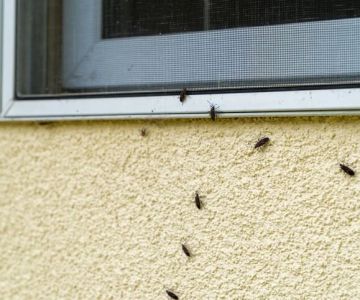
Ants are often found in soil, especially in warm environments. While they may seem harmless, certain species, like carpenter ants, can cause significant damage to wood structures around your home.
Termites
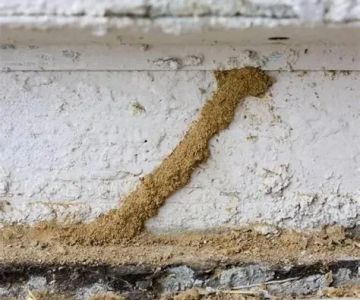
Termites are one of the most destructive pests to both soil and structures. They burrow into wood, feeding on cellulose, which can lead to serious structural damage if left unchecked.
Grubs
Grubs, the larvae of beetles, often damage lawns and garden plants by feeding on the roots. Their presence can lead to yellowing grass or wilting plants.
Root Weevils
These pests damage plant roots and are often found in soil around vegetables, flowers, and shrubs. They can cause significant harm if left untreated.
Fungal Pests
Fungal pests, such as nematodes, thrive in moist, organic soil. They damage plant roots and can lead to stunted growth or plant death if not managed properly.
4. Methods for Testing Soil for Pest Activity
There are several effective methods you can use to test soil around your home for pest activity. Below are some of the most common techniques:
Method 1: Visual Inspection
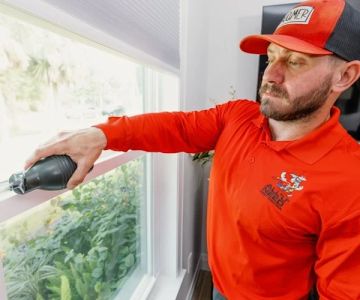
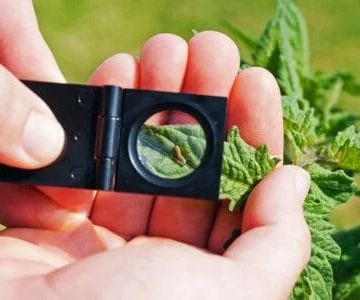
Start by inspecting the soil around your home. Look for signs such as disturbed soil, small holes, or visible pests. Pay special attention to areas where plants have been damaged or where the soil is unusually soft. If you see ants, termites, or other insects, it's a sign that pest activity is present.
Method 2: Soil Digging
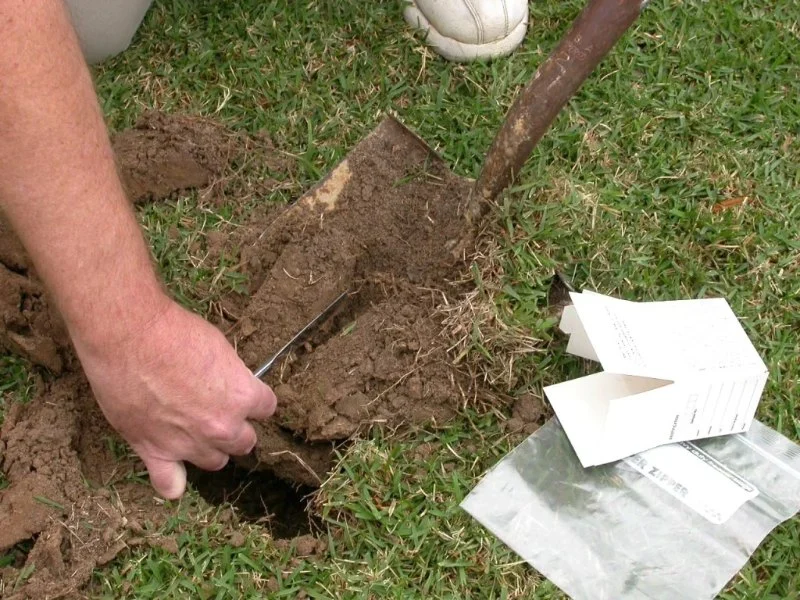
Digging a small hole or patch of soil will allow you to check for pests that are living deeper in the ground. Use a shovel or trowel to remove soil from around plants, particularly where you’ve noticed damage. Inspect the soil for any pests or larvae. If you find a significant amount of pests, it may indicate a larger infestation.
Method 3: Soil Traps
Soil traps are effective for monitoring pest populations. Set up a simple trap by placing a shallow container (like a plastic cup) in the soil and covering it with a piece of wood. After a few days, check the container to see if pests have entered. This method is particularly useful for detecting ants, termites, and other burrowing insects.
Method 4: Professional Pest Control Testing
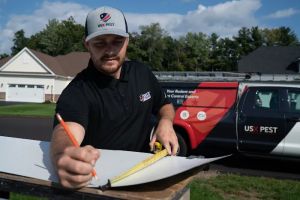
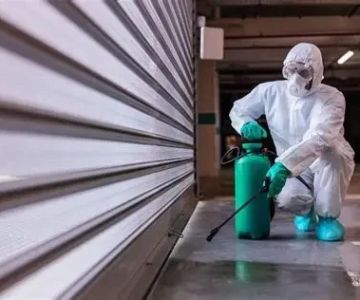
If you're unsure about the presence of pests or are dealing with a potentially serious infestation, consider hiring a professional pest control service. Pest experts can perform in-depth soil tests, identify specific pests, and recommend the best treatment options for your situation.
5. How to Prevent Pest Infestation in Your Soil
Once you've identified pests in your soil, it's essential to take steps to prevent further infestation. Here are some preventive measures:
- Proper soil drainage: Make sure your soil drains properly to prevent a build-up of moisture, which attracts pests like termites and grubs.
- Regular soil checks: Perform regular soil tests and inspections to catch pest problems early before they can cause significant damage.
- Organic pest control: Consider using natural pest control methods such as nematodes, beneficial insects, or diatomaceous earth to control pests without harming your garden's ecosystem.
- Remove debris: Clear away fallen leaves, branches, and other debris that can provide shelter for pests like termites and ants.
- Mulching: Apply mulch to your garden beds to create a barrier that reduces pest access to the soil and helps retain moisture for plants.
By testing your soil regularly for pest activity, you can protect your home and garden from infestations that could cause long-term damage. For more tips and tools for pest control, visit PestControlHub to find the right solutions for your home.
 Viking Pest Control4.0 (858 reviews)
 Bizzy Bee Exterminators4.0 (7 reviews)
 Zero Mosquito5.0 (101 reviews)
 Creature Catchers of Columbus, LTD4.0 (47 reviews)
 Capital City Exterminating Co., Inc.4.0 (26 reviews)
 BRS Backyard Bug Busters5.0 (233 reviews)
 How to Use Biological Control Agents in Home Use for Effective Pest Management
 How to Control Pests Without Pesticides
 How to Use Thermal Imaging to Spot Termite Damage in Your Home
 How to Prevent Pest Infestations in Sheds and Outbuildings
 How to Detect Termites Under Slab Foundations
 How to Seal Gaps Around Utility Lines for Pest Prevention