
1. Understanding Termite Infestations
Termites are often called "silent destroyers" because they can infest homes for months or even years before being detected. These pests feed on wood, which can lead to significant structural damage if left unchecked. Early detection is crucial for minimizing damage and protecting your home. By understanding how termites operate and knowing the signs of infestation, you can prevent costly repairs and ensure your home stays safe from these destructive insects.
2. Key Signs of a Termite Infestation
Detecting termites early involves knowing the signs that indicate an infestation. If you notice any of these symptoms in your home, it's important to take action immediately:
2.1 Mud Tubes on Walls
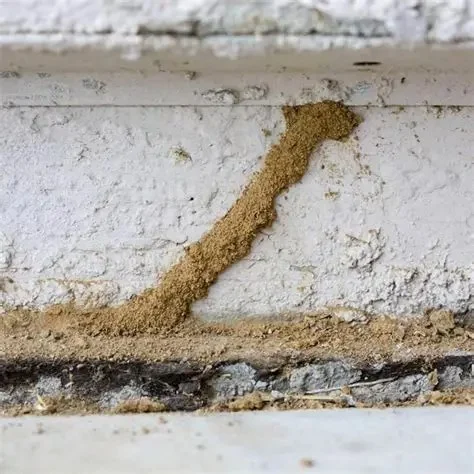
One of the most common signs of a termite infestation is the presence of mud tubes along the foundation or walls of your home. These tubes are used by termites as protection while they travel between their nest and the wood they are consuming. They are typically about the width of a pencil and may be found on exterior walls, near foundations, or in basements and crawl spaces.
2.2 Hollow Sounding Wood
If you tap on wooden structures like beams, posts, or furniture and hear a hollow sound, this may indicate that termites have been feeding inside the wood. Over time, termites can cause significant damage to the wood structure, leaving it weakened and hollowed out.
2.3 Swarming Termites
Termite swarms typically occur during the spring and are a key sign that a termite colony has matured and is looking to establish new colonies. You may notice large groups of winged termites, especially around windows, doors, or light sources. While swarming termites don’t cause damage themselves, their presence indicates a larger infestation nearby.
2.4 Droppings or Frass
Termites leave behind small, pellet-like droppings called frass. If you find these droppings around wooden areas, it’s a strong indicator of termite activity. Frass can be found near entry points or on surfaces where termites are actively feeding.
3. How to Inspect Your Home for Termites
Performing a termite inspection regularly is one of the best ways to detect an infestation before it causes serious damage. Here are the steps for conducting a thorough inspection:
3.1 Check for Mud Tubes
Inspect the foundation of your home, paying special attention to cracks and crevices. Look for mud tubes that may be climbing up walls or beams. If you spot any, break open the tube to see if termites are still present inside. If termites are active, contact a professional pest control expert immediately.
3.2 Examine Wooden Structures
Inspect wooden beams, flooring, and furniture for signs of damage. Use a flashlight to check dark areas like basements, attics, and crawl spaces, where termites may be hiding. If the wood feels soft, sounds hollow, or shows visible damage, termites may be present.
3.3 Look for Swarmers
Swarming termites can be an obvious sign that there is a colony nearby. Look for winged termites near windows and doors or any areas that are illuminated at night. If you notice a swarm, it’s a good idea to call a pest control professional for a full inspection.
3.4 Inspect Your Yard
Termites often build their nests outside, near or under trees, fences, and woodpiles. Check your yard for any signs of termite damage, including damaged wood or the presence of mud tubes leading into your home.
4. Prevention Tips to Avoid Termite Infestations
While detecting termites early is essential, preventing an infestation in the first place is even better. Here are some tips to help protect your home from termites:
4.1 Seal Cracks and Gaps
Ensure that your home is properly sealed by repairing any cracks or gaps in the foundation, around windows, doors, and plumbing pipes. Termites can enter through even the smallest openings, so keeping your home tightly sealed is key to prevention.
4.2 Remove Wood Debris
Termites are attracted to wood, so it’s important to remove any wood piles, fallen branches, or wooden debris near your home. Additionally, avoid placing wood directly against the foundation or exterior walls, as this creates an easy access point for termites.
4.3 Maintain Proper Drainage
Termites thrive in moist environments, so it’s crucial to ensure that your home has proper drainage. Keep gutters and downspouts clear of debris, and ensure that water flows away from the foundation. This will help prevent termites from finding a moist, conducive environment for nesting.
4.4 Consider Termite Barriers
If you live in an area prone to termites, you might consider installing a termite barrier around your home. These barriers can be chemical or physical and serve as a protective shield to prevent termites from accessing your home.
5. What to Do if You Discover a Termite Infestation
If you find evidence of termites in your home, it’s important to act quickly to minimize the damage. Contact a professional pest control service to assess the situation and provide an appropriate treatment plan. Depending on the severity of the infestation, treatments may include liquid termiticides, bait stations, or fumigation.
Taking action early can help protect your home from significant structural damage and ensure that termites don’t cause long-term problems. Regular inspections, proper prevention, and professional treatment can keep your home safe from these destructive pests.




 Lawn Doctor of Hardin County4.0 (156 reviews)
 Lawn Control Center4.0 (536 reviews)
 First Rate Pest Solutions4.0 (33 reviews)
 Naturescape Lawn and Landscape Care4.0 (42 reviews)
 Premier Termite & Pest Control Company4.0 (5 reviews)
 Orkin4.0 (1987 reviews)
 How to Mitigate Pest Liability in Real Estate Deals
 How to Effectively Deal With Pest Pressures in Coastal Areas
 How to Evaluate Pest Control Technologies for Effective Solutions
 How Landscaping Choices Affect Pest Populations in Your Yard
 How to Use Barrier Treatments in Key Zones
 How to Use Smart Devices for Insect Alerts