
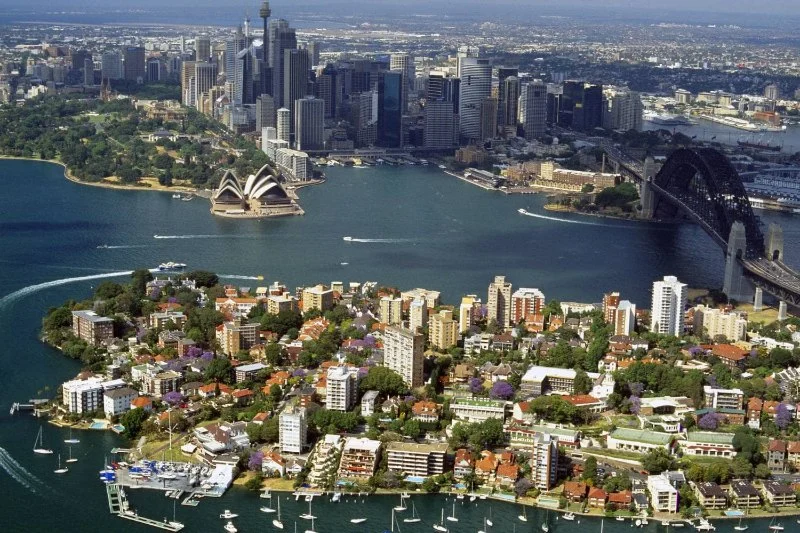
1. Introduction: The Connection Between Urbanization and Pest Populations
As cities around the world continue to grow, the interaction between human populations and pests becomes more complex. Urban areas, particularly crowded cities, offer ideal conditions for pests to thrive. Factors like high population density, waste accumulation, and constant construction contribute to a rise in pest populations. In this article, we’ll explore how crowded cities affect pest populations and discuss ways to manage and prevent infestations in urban environments.
2. How Crowded Cities Create Perfect Conditions for Pests
In densely populated urban areas, various factors combine to create an environment that supports the rapid growth of pest populations. Pests, such as rats, cockroaches, and mosquitoes, flourish in places where food, water, and shelter are abundant, and cities provide all these elements in excess.
2.1. Availability of Food Sources
One of the most significant factors that attract pests to crowded cities is the constant availability of food. From restaurants and food vendors to residential waste, urban areas offer an all-you-can-eat buffet for pests. Leftover food in trash cans, food waste in alleys, and even crumbs in public spaces provide an unlimited food supply for pests like rodents and insects.
2.2. Increased Shelter Options
Crowded cities also provide plenty of shelter for pests. With numerous buildings, underground sewers, and construction sites, pests can easily find places to hide and nest. Rodents, for instance, seek shelter in cracks, vents, and basements, while cockroaches thrive in warm, dark places like kitchens, bathrooms, and underground tunnels.
2.3. Water Availability
In urban areas, water is a constant presence, whether in the form of leaking pipes, standing water in construction sites, or damp basements. Moisture provides an ideal breeding ground for pests like mosquitoes, which require standing water for their larvae. As cities grow and infrastructure ages, the availability of water sources increases, further attracting pests.
3. Common Pests in Crowded Cities
Crowded cities are home to a variety of pests that thrive in urban environments. Understanding the most common pests and how they behave can help residents and city officials develop effective strategies for pest control.
3.1. Rats and Mice
Rats and mice are among the most common urban pests. These rodents are resourceful and can squeeze through tiny gaps to enter homes and buildings in search of food and shelter. Their presence in cities can lead to significant damage to property, contamination of food, and the spread of diseases like leptospirosis and salmonella.
3.2. Cockroaches
Cockroaches are resilient pests that are particularly adept at surviving in crowded urban environments. They can infest buildings, especially in kitchens and bathrooms, where food and water are readily available. Cockroaches are not only unsightly but also pose serious health risks by spreading bacteria and allergens.
3.3. Mosquitoes
Mosquitoes are a major nuisance in cities, particularly in areas with poor drainage or standing water. These insects breed in stagnant water and can spread diseases like West Nile Virus, dengue, and Zika. Urbanization often creates more standing water, giving mosquitoes ample opportunities to reproduce.
3.4. Ants
Ants are another common pest in cities. While they may not cause significant physical damage, they can invade kitchens and food storage areas, contaminating food supplies. Ants also form large colonies, making them difficult to eliminate once they settle in a building or yard.
4. The Impact of Overcrowding on Pest Management
As cities become more crowded, managing pests becomes increasingly challenging. Overcrowding results in more waste, fewer green spaces, and less effective pest control efforts. This section explores the impact of overcrowding on pest management and what can be done to mitigate these effects.
4.1. Limited Space for Green Areas
Urban sprawl and overcrowding often lead to a decrease in green spaces, such as parks and gardens, which are natural predators of pests. Green areas help maintain a balance in the ecosystem, providing habitat for beneficial insects and animals that keep pest populations in check. In crowded cities, the lack of green spaces means fewer natural predators to control pest populations.
4.2. Increased Waste Production
With more people comes more waste. In crowded cities, garbage and food waste can accumulate quickly, creating a perfect environment for pests. Poor waste management systems in some areas can lead to overflowing trash bins, giving pests easy access to food sources. Inadequate waste disposal further contributes to pest infestations in urban areas.
4.3. Construction and Renovations
In rapidly growing cities, constant construction and renovations disturb both the environment and local wildlife, causing pests to relocate and seek shelter in nearby buildings. Construction sites also provide ideal conditions for pests to hide and breed, further exacerbating the problem.
5. Pest Control Strategies for Crowded Cities
While pest populations are more likely to thrive in crowded cities, there are several strategies that can be implemented to reduce the risk of infestations. Effective pest control in urban areas requires a combination of preventative measures, maintenance, and professional services.
5.1. Regular Cleaning and Waste Management
Regular cleaning is essential for preventing pests in cities. By keeping streets, alleys, and buildings free of food scraps and trash, urban areas can reduce the likelihood of attracting pests. Waste management programs should be improved to ensure that trash is disposed of properly, reducing the risk of pests scavenging in public spaces.
5.2. Pest-Proofing Buildings
To prevent pests from entering buildings, city dwellers should focus on pest-proofing their homes. This includes sealing cracks and gaps in walls, doors, and windows, as well as installing screens on vents and drains. Pest-proofing not only keeps pests out but also reduces the spread of infestations.
5.3. Professional Pest Control Services
For large-scale pest control, particularly in commercial buildings or heavily infested areas, professional pest control services can provide comprehensive solutions. Professionals have the expertise, tools, and resources to deal with persistent pests and can offer long-term management plans to keep pest populations under control.
6. Conclusion: Addressing Pest Challenges in Crowded Cities
Crowded cities provide ideal conditions for pests to thrive, but with the right approach, residents and city officials can mitigate these challenges. By addressing issues like waste management, pest-proofing buildings, and using professional pest control services, urban areas can minimize the impact of pests and create healthier living environments. For more information on pest control solutions in cities, visit PestControlHub, where you can find products and services tailored to urban pest management needs.


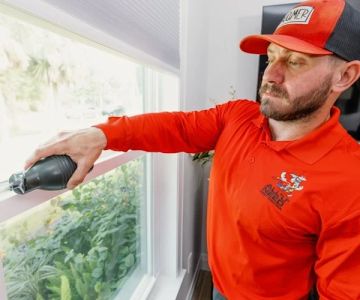
 Tier 1 Mosquito5.0 (60 reviews)
 Rogers Pest Control, LLC5.0 (163 reviews)
 Bug-Masters LLC4.0 (535 reviews)
 Terminix4.0 (2156 reviews)
 Pest Under Management5.0 (1 reviews)
 Pest Control P&A4.0 (6 reviews)
 How to Use Low-Toxic Methods Around Sensitive Zones for Pest Control
 How to Keep Crawlspaces Ventilated & Pest-Free
 How to Keep Crawlspaces Ventilated & Pest-Resistant: A Complete Guide
 How to Interpret Your Home’s Pest Report: A Guide to Understanding Pest Activity
 How to Protect Your Home from Cockroaches in Hot Weather
 How to Use Heat Ventilation to Deter Insects