
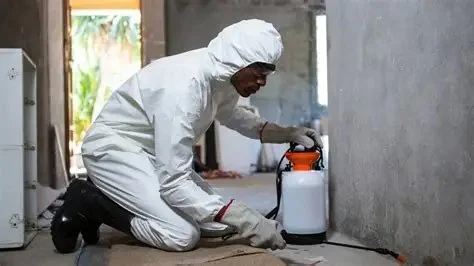
How to Control Pests During Remodeling Projects
- 1. Why Pest Control is Essential During Remodeling
- 2. Common Pests Found During Home Renovations
- 3. Effective Pest Prevention Strategies
- 4. DIY Tips to Keep Pests at Bay
- 5. When to Call Professional Pest Control Services
1. Why Pest Control is Essential During Remodeling
Home remodeling projects can cause significant disruptions to your living space, and unfortunately, they can also invite unwanted pests. As walls are torn down, spaces are exposed, and clutter is created, pests like rodents, ants, and cockroaches find new ways to invade. That's why controlling pests during these projects is crucial to protect both your property and your health.

Mosquito Squad of Boston Metro South
RandolphNorfolk CountyMassachusetts
10 Patterson Ave E, Randolph, MA 02368, USA
1.1 Maintaining Hygiene and Cleanliness
Renovations often stir up dust, debris, and garbage, all of which attract pests. Without a proper pest management plan, these creatures can quickly move into your home, making the project even more challenging. Ensuring your workspace is clean and free of food waste or materials that could harbor pests is vital in the prevention process.
Pest Management Solutions
GreenvilleGreenville CountySouth Carolina
109 Lovett Dr Suite F, Greenville, SC 29607, USA
1.2 Preventing Damage to Property
Pests can damage your new or remodeled spaces. Rodents can chew through wiring, while termites may feast on wood, which could lead to expensive repairs down the line. By implementing pest control early, you can avoid these costly consequences.
2. Common Pests Found During Home Renovations
During a remodeling project, several pests are more likely to make an appearance. Recognizing these pests early on allows you to take the necessary steps to prevent an infestation.
2.1 Rodents
Rodents, such as mice and rats, are notorious for seeking shelter during colder months or when spaces are disturbed. They often invade homes during construction when new entry points are created. Left unchecked, rodents can cause significant damage to your home.
2.2 Ants
Ants are another common pest that often invade during remodeling. They are attracted to food particles and moisture, which are frequently present during construction. Once they establish a colony, they can be challenging to remove.
2.3 Cockroaches
Cockroaches are attracted to warm, dark areas, making your construction zones an ideal environment. They are resilient and can spread diseases, which makes their control crucial during a remodel.
2.4 Termites
Termites are particularly dangerous during renovations as they feed on wood, drywall, and other materials commonly used in construction. They can cause severe structural damage if not promptly addressed.
3. Effective Pest Prevention Strategies
To prevent pests from invading your space during remodeling, it’s essential to put effective pest prevention strategies in place. Here are some key measures to consider:
3.1 Seal Entry Points
Before starting any project, inspect your home for cracks, holes, or gaps that pests might use to enter. Sealing these openings with caulk, foam, or weatherstripping will help block their entry.
3.2 Maintain Cleanliness
Keep your work area clean and free from food scraps or materials that could attract pests. Consider using trash bags or containers that are sealed tightly to minimize the chance of attracting pests.
3.3 Remove Standing Water
Standing water can attract pests, especially ants, cockroaches, and mosquitoes. During a remodel, make sure there is no standing water left in any areas, such as bathrooms, kitchens, or crawlspaces.
3.4 Use Natural Pest Repellents
Incorporate natural pest repellents like essential oils, vinegar, or citrus-based cleaners. These are safe to use around your home and can deter pests without the use of harsh chemicals.
4. DIY Tips to Keep Pests at Bay
Here are a few simple and affordable DIY pest control strategies to implement during your home remodeling projects:
4.1 Use Traps
Setting up traps for rodents and insects can help monitor any pest activity. Sticky traps for insects or snap traps for rodents are easy to place in areas where pests are likely to enter.
4.2 Set Up Barriers
For crawling pests like ants and spiders, you can create barriers with chalk, baby powder, or diatomaceous earth. These natural substances deter pests from crossing the line into your space.
4.3 Apply Insecticides Wisely
If you choose to use chemical insecticides, apply them strategically in areas where pests are most likely to enter or breed. Avoid using them directly in areas where food is prepared or consumed to ensure the safety of your family.
5. When to Call Professional Pest Control Services
While DIY methods can be effective for minor pest issues, more serious infestations or particularly challenging pests may require professional help. Here are some signs it’s time to call in the experts:
5.1 Persistent Infestations
If you notice an ongoing pest problem that DIY methods can’t solve, it’s time to call a professional. Pest control experts can provide more targeted solutions and eliminate pests effectively.
5.2 Structural Damage
If pests like termites or rodents are causing damage to the structure of your home, professional intervention is necessary. They have the experience and tools to assess the damage and take action quickly before the situation worsens.
For expert pest control solutions and advice during your remodeling project, visit PestControlHub for the best products, services, and tips.




 Noosa Pest Management LLC5.0 (109 reviews)
 Green Eagle Environmental4.0 (210 reviews)
 Complete Pest Control Services4.0 (77 reviews)
 Tilley Pest Control5.0 (174 reviews)
 Big Tony’s Pest Control5.0 (8 reviews)
 Rowe Pest Control5.0 (10 reviews)
 How to Clean Surfaces After Pest Treatments – A Complete Guide
 How to Assess Pest Pressure in New Neighborhoods
 How to Choose a Reliable Local Exterminator
 How to Seal Entry Points Around Piping
 How Crowded Attics Attract Rodents and How to Prevent Infestations
 How to Seal Entry Points in Foundation Cracks – Essential Guide