
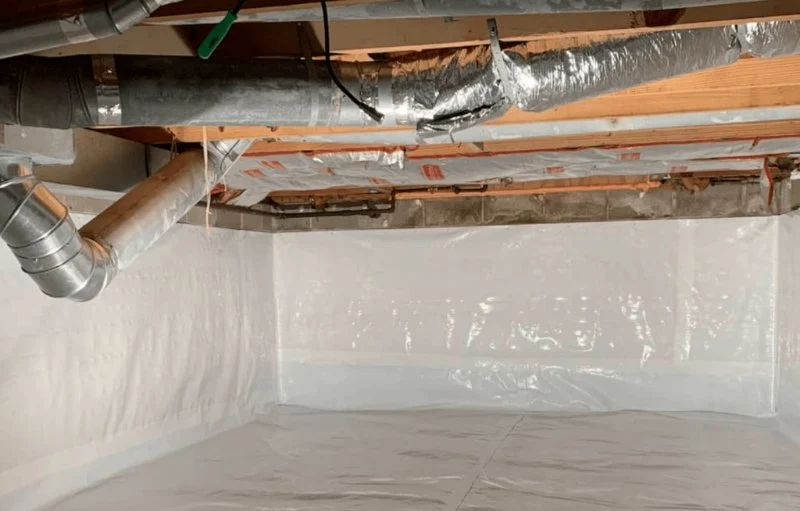
Why Keep Your Crawlspace Dry?
Keeping your crawlspace dry is crucial for maintaining the health and safety of your home. Moisture in a crawlspace can lead to a host of problems, including mold growth, wood rot, and structural damage. It can also create a perfect environment for pests like rodents, insects, and termites to thrive. A dry crawlspace ensures better air quality, reduces the risk of pests, and protects the foundation of your home from water damage.

Understanding Crawlspace Moisture
Moisture in a crawlspace can come from several sources, including poor drainage, high humidity, or leaks in plumbing or the foundation. When water seeps into the crawlspace, it creates an environment that can encourage mold growth and attract pests. This moisture also increases the risk of wood decay and can lead to structural issues. It’s important to address the source of moisture to prevent long-term damage to your home.

1. Poor Drainage
Water that pools around your home’s foundation can easily seep into the crawlspace. Proper grading of the land around your home is essential to ensure that water drains away from the structure. Installing a French drain or improving your gutters can help direct water away from the crawlspace.
2. High Humidity
In some areas, the natural humidity is enough to increase moisture levels in the crawlspace. Installing a dehumidifier in the crawlspace can help reduce excess moisture. This is especially important in climates with high humidity levels or during rainy seasons.
3. Leaky Pipes
Leaks in plumbing or faulty seals in your home can contribute to crawlspace moisture. Regularly inspecting your pipes for leaks and ensuring that your plumbing system is in good working condition is essential for keeping the area dry.
Pest Control in Crawlspaces
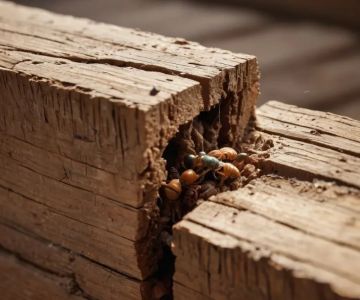
Crawlspaces are an attractive hiding spot for various pests, including rodents, insects, and termites. These pests can cause significant damage to the structural integrity of your home and pose health risks. Keeping your crawlspace pest-free involves both prevention and control measures.
1. Seal Gaps and Openings
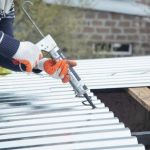
Small cracks and gaps around the foundation or in the crawlspace walls are easy entry points for pests. Sealing these openings with caulk or foam sealant can prevent pests from getting inside. Be sure to inspect the crawlspace regularly for any new openings that might allow pests to enter.
2. Use Pest-Repellent Insulation
Insulation materials like spray foam can act as both an insulator and a barrier against pests. These materials are resistant to rodents and insects, helping to keep pests out while also maintaining the temperature in your crawlspace.
3. Install a Vapor Barrier
Using a vapor barrier (a plastic sheet) on the ground in your crawlspace can help reduce moisture, making the area less attractive to pests. This barrier prevents water from evaporating into the air, thus keeping the crawlspace drier and less hospitable to insects and rodents.
Tips for Maintaining a Dry, Pest-Free Crawlspace
Maintaining a dry and pest-free crawlspace requires regular attention and preventative measures. Here are some useful tips for keeping the area in top condition:
1. Regular Inspections
Inspect your crawlspace at least once every few months to identify potential issues before they become problems. Look for signs of moisture buildup, pest activity, and any damage to the foundation or structure of your home.
2. Install a Crawlspace Dehumidifier
If you live in an area with high humidity, installing a crawlspace dehumidifier can make a big difference in reducing moisture. This device helps to maintain the proper balance of humidity, preventing mold growth and making the space less inviting for pests.
3. Proper Ventilation
Ensure that your crawlspace is well-ventilated to allow moisture to escape. This can be achieved by installing vent fans or simply ensuring that the existing vents are unobstructed. Proper ventilation is key to maintaining a dry environment.
4. Landscaping and Drainage
As mentioned earlier, poor drainage can lead to moisture problems in your crawlspace. Ensure that the ground around your home slopes away from the foundation. Additionally, install downspouts that direct rainwater at least 3-4 feet away from the foundation.
5. Install Pest Barriers
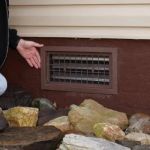
Consider installing pest barriers or mesh screens in areas where pests can enter. This is especially useful for preventing rodents from gaining access to the crawlspace through vents or other small openings.
Real-Life Examples of Crawlspace Maintenance
Here are a couple of real-life examples of homeowners successfully managing their crawlspaces:
- Example 1: The Johnson family in Texas used a combination of proper grading, a vapor barrier, and regular inspections to keep their crawlspace dry and pest-free. After installing a dehumidifier and sealing the foundation, they noticed a significant reduction in mold and pests.
- Example 2: In Florida, the Parker family struggled with moisture issues in their crawlspace due to high humidity. They solved this problem by adding a crawlspace ventilation fan and installing pest-repellent insulation. The result was a much drier, healthier space with far fewer pest sightings.




 Bug Out4.0 (9 reviews)
 Bob Thomas Pest Control4.0 (37 reviews)
 ASAP Wildlife Control and Removal - North Carolina4.0 (6 reviews)
 Vanguard Wildlife Solutions4.0 (26 reviews)
 Tilley Pest Control5.0 (174 reviews)
 Bauman's Wildlife & Pest Control LLC5.0 (15 reviews)
 How to Safely Relocate Wildlife (Skunks, Opossums, Birds): A Comprehensive Guide
 How to Inspect for Pests After Heavy Rain
 How to Get Rid of Bed Bugs Without Poisoning Your Home
 How to Seal Cracks Around Roofline for Better Home Protection
 How to Evaluate Pest Return Risk Over Time: Key Factors and Tips
 How to Control Pests in Crawl Space Vents