
- 1 - Understanding-Pest-Activity
- 2 - Early-Warning-Signs-of-Pest-Return
- 3 - Monitoring-Methods-and-Tools
- 4 - Record-Keeping-And-Tracking
- 5 - Professional-Inspection-and-Support
- 6 - Maintaining-Long-Term-Prevention
1. Understanding Pest Activity
After a pest treatment, it is essential to understand how different pests behave to monitor effectively. Some pests, like ants and rodents, may return quickly if food sources remain, while others, such as termites, may take longer to reappear. Recognizing patterns of activity helps homeowners anticipate potential issues.
For example, a family in Texas noticed that ants were returning along the same kitchen baseboard after treatment. Understanding that these ants were attracted to a specific food source allowed them to address the root cause and reduce repeat visits.

2. Early Warning Signs of Pest Return
Detecting pests early is critical to prevent infestations from re-establishing:
- Droppings and urine marks: Small rodent droppings or insect frass can indicate renewed activity.
- Damage to property: Chewed wires, gnawed wood, or holes in walls signal returning pests.
- Unusual odors: Some insects and rodents leave a distinct smell that can alert homeowners before seeing the pests.
- Visual sightings: Seeing live insects, spiders, or rodents is an obvious but effective indicator.
Documenting these early signs allows timely intervention and reduces the chance of larger infestations.
Northwest Exterminating - Augusta
MartinezColumbia CountyGeorgia
4820 Technology Dr Suite B, Martinez, GA 30907, USA
3. Monitoring Methods and Tools
Homeowners can employ several techniques to track pest activity effectively:
- Traps and bait stations: Place monitoring traps in key areas to capture pests and detect patterns.
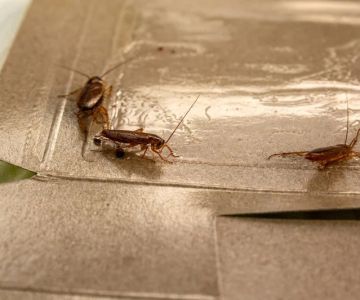
- Sticky pads for insects: Sticky traps along walls and entry points provide visual confirmation of insect presence.
- Regular inspections: Check hidden areas like attics, basements, and behind appliances to identify early signs.
- Technology-assisted monitoring: Motion-sensor cameras or smart pest detection devices can alert homeowners remotely.
One homeowner in Florida reported that using sticky traps after professional treatment allowed them to monitor termite activity closely, preventing further structural damage.
4. Record-Keeping and Tracking
Keeping detailed records is essential for long-term pest management:
- Note dates and locations of sightings or trap captures.
- Track the frequency and type of pests observed.
- Compare activity over time to determine if the pest population is decreasing or resurging.
- Use simple spreadsheets or pest-tracking apps to visualize trends.
Accurate tracking allows homeowners or pest control professionals to adjust strategies, ensuring interventions remain effective.
5. Professional Inspection and Support
While DIY monitoring is valuable, professional support can provide expertise and additional tools:
- Certified pest control technicians can identify hidden infestations and recommend treatments.
- Specialized equipment can detect pests in inaccessible areas.
- Ongoing service plans from providers like PestControlHub offer regular inspections, treatment, and monitoring guidance for peace of mind.
Clients who integrated professional inspections with home monitoring often report fewer repeat infestations and faster response to any returning pests.
6. Maintaining Long-Term Prevention
Monitoring is not a one-time task; consistent efforts maintain a pest-free environment:
- Seal entry points such as cracks, gaps, and vents.
- Maintain cleanliness to eliminate food sources and nesting materials.
- Rotate monitoring traps and adjust placement based on activity trends.
- Engage professional services periodically for preventive inspections.
Following these steps ensures that homeowners remain proactive and reduces the stress of unexpected pest returns.


 Alexandria Pest Services4.0 (112 reviews)
 Mosquito Shield of North Attleboro4.0 (183 reviews)
 Western Pest Services4.0 (503 reviews)
 A All Borough Exterminating Co. Inc4.0 (5 reviews)
 Time's up termite specialist bucks county5.0 (3 reviews)
 Hoke Pest Control4.0 (33 reviews)
 How to Prevent Pest Spread via Firewood: Essential Tips for Protecting Your Home
 How to Protect Your Home from Cockroaches in Hot Weather
 How to Deal With Pest Infestations in Vacant Homes: A Practical Guide
 How to Use Targeted Barrier Treatments for Effective Pest Control
 How to Seal Pest Entry at Foundation Corners: Expert Tips and Techniques
 How to Use Remote Monitoring Devices for Insects