
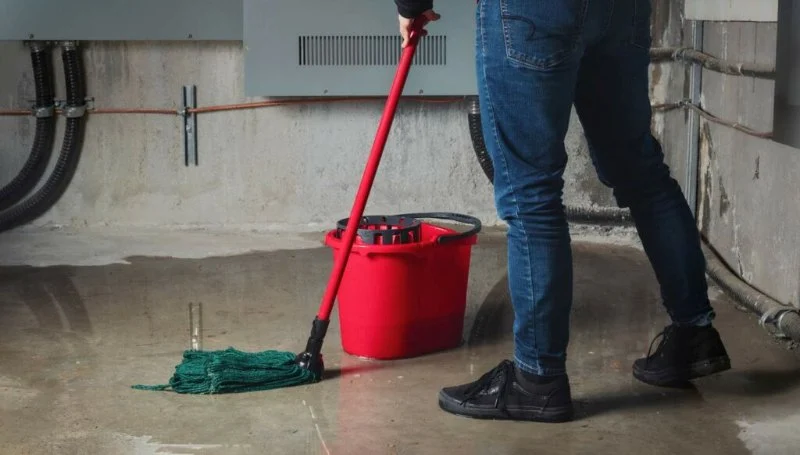
- -1-Understanding Moisture Issues in Basements
- -2-How Moisture Attracts Pests
- -3-Common Pests Found in Damp Basements
- -4-Preventative Measures to Reduce Moisture
- -5-Pest Control Strategies for Damp Areas
- -6-Resources and Products for Safe Basement Management
1. Understanding Moisture Issues in Basements
Basements are naturally prone to moisture due to their position below ground level. Groundwater seepage, condensation, poor drainage, and plumbing leaks contribute to damp conditions. High humidity levels, coupled with minimal air circulation, create an environment that supports mold growth and structural decay.
Homeowners often overlook subtle moisture problems until visible water damage or musty odors appear. Studies show that even minor dampness can persist for months, gradually degrading surfaces and providing an ideal habitat for pests. Platforms like PestControlHub emphasize early detection and proactive moisture management to mitigate risk.
2. How Moisture Attracts Pests
Moisture is a primary attractant for many household pests. Damp environments provide:
- Water sources essential for insects and rodents to survive.
- Breeding grounds for pests such as silverfish, cockroaches, and drain flies.
- Warm, sheltered conditions where pests can hide undisturbed.
- Increased food availability through mold, mildew, and decaying organic material.
- Pathways for pests to migrate from foundation cracks or drainage systems into living areas.
Home inspections reveal that basements with persistent dampness are significantly more likely to experience recurring infestations. This correlation highlights the importance of addressing moisture before pest populations establish themselves.
3. Common Pests Found in Damp Basements
3.1 Silverfish
Silverfish thrive in dark, damp areas. They feed on paper, fabrics, and glue-based materials, often damaging books, stored clothing, and wallpaper. High humidity accelerates their reproductive cycle, making moisture control critical for prevention.
3.2 Cockroaches
Cockroaches prefer moist, warm environments with access to food debris. Basements provide hiding spaces behind walls, under appliances, and within cluttered storage. Infestations can pose health risks by spreading allergens and bacteria.
3.3 Rodents
Rats and mice are attracted to basements with moisture, which supports nesting and access to drinking water. Rodents can damage insulation, wiring, and stored items, creating safety hazards and contamination risks.
3.4 Fungus Gnats and Drain Flies
These small flying insects breed in standing water, plant soil, or damp organic matter. While generally harmless to humans, they indicate underlying moisture issues and can quickly become a nuisance if ignored.
4. Preventative Measures to Reduce Moisture
Reducing moisture is the most effective way to prevent pest infestations in basements:
- Install proper drainage systems, including gutters and downspouts, to redirect water away from the foundation.
- Seal foundation cracks and wall joints to prevent water seepage.
- Use dehumidifiers to maintain indoor humidity below 50%.
- Improve ventilation with exhaust fans or air circulation to reduce condensation.
- Inspect plumbing regularly to identify and repair leaks promptly.
- Elevate stored items on shelves or pallets to reduce contact with damp floors.
Case studies show that homeowners who implement these measures experience a significant reduction in basement pest activity, highlighting the connection between moisture management and pest prevention.
5. Pest Control Strategies for Damp Areas
Even with moisture reduction, proactive pest control is necessary:
- Use traps and baits strategically for rodents and insects.
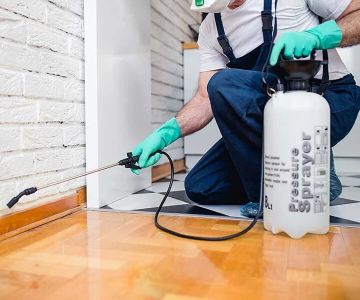
- Apply insecticidal treatments in areas where pests are likely to hide.
- Regularly clean basements to remove food residues and organic debris.
- Monitor pest activity with routine inspections to catch infestations early.
- Consider professional pest control services for severe or persistent problems, ensuring safe and effective treatments.
Real-life accounts from homeowners indicate that combining moisture control with targeted pest management creates long-term success, minimizing both infestations and the need for frequent chemical treatments.
6. Resources and Products for Safe Basement Management
Various resources and products support homeowners in maintaining dry, pest-free basements:
- Dehumidifiers and moisture meters to monitor and control humidity levels.
- Sealants and waterproofing solutions for foundations and walls.
- Rodent-proof storage containers and shelving for elevated, dry storage.
- Pest monitoring kits, traps, and eco-friendly repellents.
- Expert guidance and product recommendations available on platforms like PestControlHub for safe, effective basement management.
By leveraging these tools and consistently monitoring conditions, homeowners can proactively prevent pest infestations and maintain a healthy, safe basement environment.
Ultimately, understanding why moist basements invite pest infestations is key to prevention. By addressing moisture, implementing proper pest control strategies, and using available resources, homeowners can protect their property, reduce health risks, and enjoy a clean, safe basement year-round.
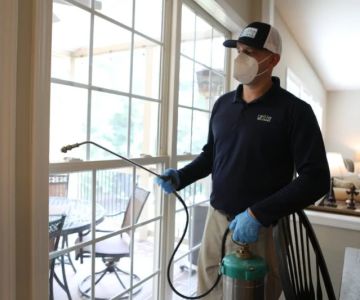
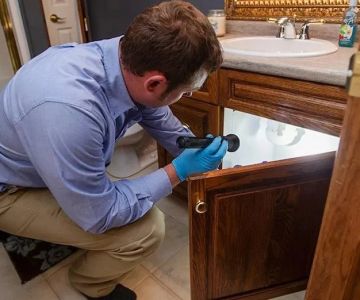
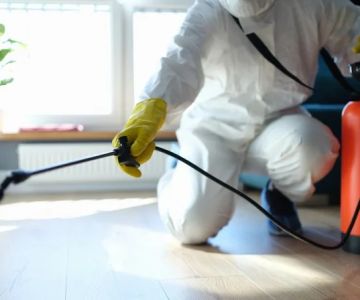


 Expert Pest Management Inc.4.0 (52 reviews)
 Lawn Doctor of The Lower Eastern Shore4.0 (147 reviews)
 Rhode Island Tick and Mosquito, LLC5.0 (25 reviews)
 Eastern Termite and Pest3.0 (24 reviews)
 Terminix4.0 (1293 reviews)
 A1 Bed Bug Exterminator4.0 (26 reviews)
 How to Use Diatomaceous Earth for Safe Pest Control - Natural and Effective Solutions
 How to Track Pest Control ROI for Homeowners
 How to Monitor Pest Entry in Weak Spots
 How Pest Control Differs in Humid vs Dry Climates for Effective Home Protection
 How to Mitigate Pest Liability in Real Estate Deals
 How to Keep Pests Out of Outbuildings