- 1 - Understanding-Plumbing-Pest-Risks
- 2 - Common-Pests-Found-Near-Plumbing
- 3 - Preparing-For-Inspection
- 4 - Step-by-Step-Inspection-Guide
- 5 - Tools-And-Materials-Needed
- 6 - Signs-Of-Infestation
- 7 - Preventive-Measures
- 8 - Case-Study-Successful-Inspection
- 9 - Professional-Pest-Control-Options
- 10 - Maintenance-And-Follow-Up
1. Understanding Plumbing Pest Risks
Plumbing lines can create ideal environments for pests such as rodents, cockroaches, and ants. Moisture from leaks or condensation, combined with hidden entry points in walls or under sinks, makes these areas vulnerable. Understanding the risks helps homeowners implement effective inspections and preventive measures.
Magic Touch Exterminating and Wildlife Control
89-28 250th St, Bellerose, NY 11426, USA
1.1 Why Plumbing Lines Attract Pests
Pests are attracted to warmth, moisture, and easy access to food. Leaky pipes, drains, and water heater areas provide water sources and hidden pathways that can lead pests deeper into your home. Early inspection prevents infestations before they spread.

Western Pest Services Ocean County Branch
Toms RiverOcean CountyNew Jersey
117 NJ-37 #2, Toms River, NJ 08755, USA
2. Common Pests Found Near Plumbing
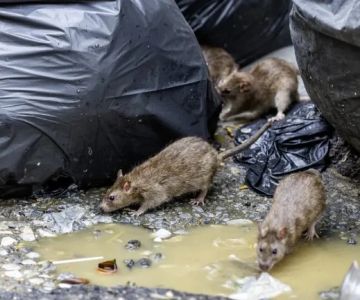
- Rodents: Mice and rats often use pipe gaps to travel into walls and basements.
- Cockroaches: Attracted to drains and damp areas, especially in kitchens and bathrooms.
- Ants: Frequently found near leaks and condensation points.
- Silverfish and Drain Flies: Thrive in damp, dark areas around pipes.
3. Preparing for Inspection
Before inspecting, gather necessary tools and ensure safety precautions:
- Turn off water supply if inspecting leaks.
- Wear gloves and protective clothing.
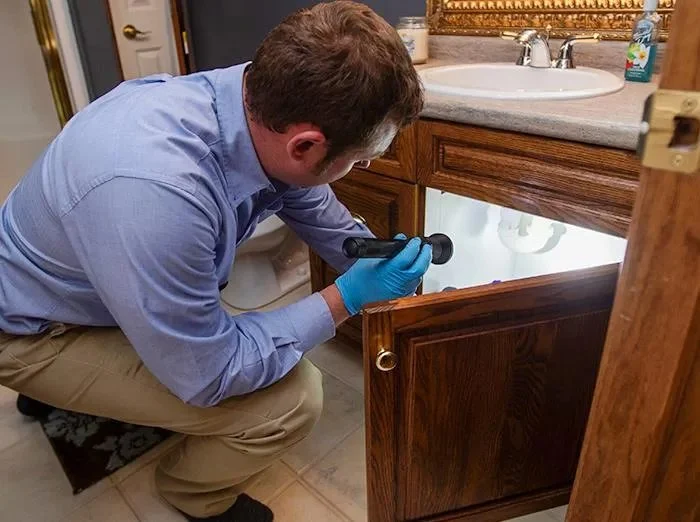
- Keep a flashlight handy to check under sinks and behind appliances.
- Remove clutter around plumbing lines for easy access.
4. Step-by-Step Inspection Guide
4.1 Examine Visible Pipes
Check all exposed plumbing lines for droppings, gnaw marks, and signs of leaks. Rodent teeth marks on insulation or tape are common indicators.
4.2 Inspect Behind Walls and Cabinets
Use a flashlight and mirror to spot pest activity near hidden pipe sections. Listen for scratching or movement at night.
4.3 Check Drains and Vents
Remove drain covers and observe for insect larvae or signs of infestation. Pay attention to moisture accumulation in vent stacks.
4.4 Look at Outdoor Access Points
Inspect areas where water lines enter the home, including foundation penetrations, for gaps or pest entry signs.
5. Tools and Materials Needed
- Flashlight and mirror
- Gloves and protective clothing
- Small inspection camera or smartphone with light
- Notepad to record findings
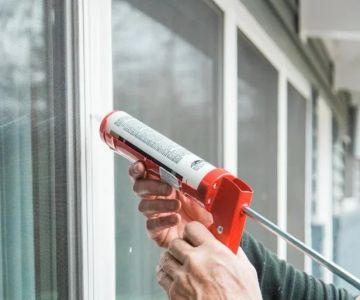
- Sealant or steel wool for blocking entry points
6. Signs of Infestation
- Rodent droppings near sinks, water heaters, and pipe joints
- Chewed pipe insulation or wires
- Foul odors from stagnant water and waste
- Insect larvae, wings, or shell casings near drains
- Water stains and moisture accumulation signaling leaks
7. Preventive Measures
Once inspection is complete, take proactive steps:
- Seal gaps around pipes entering walls or floors
- Repair leaks promptly
- Use drain covers and clean drains regularly
- Install moisture absorbers in damp areas
- Consider natural deterrents or safe pest repellents near plumbing lines
8. Case Study: Successful Inspection
Homeowner John in Texas noticed small droppings under his kitchen sink. After following an inspection routine focusing on plumbing lines, he discovered a rodent entry point behind the dishwasher. Sealing the gap and cleaning affected areas eliminated the infestation and prevented further damage.
9. Professional Pest Control Options
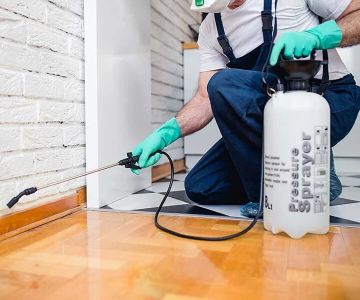
For persistent or hard-to-reach infestations, professional services provide thorough inspections using specialized equipment. PestControlHub offers expert guidance on controlling pests around plumbing lines, ensuring safe and effective removal without disrupting your home's plumbing.
10. Maintenance and Follow-Up
Regular inspections every 6-12 months help catch problems early. Monitor pipes, drains, and outdoor access points for new signs of pests. Consistent maintenance ensures a pest-free and healthy home environment.
 Turning Green,LLC Plant & Lawn Health Care4.0 (99 reviews)
 Top Notch Pest Defense4.0 (10 reviews)
 Mosquito Squad Plus of Knoxville5.0 (261 reviews)
 KG Pest Management5.0 (19 reviews)
 Dodson Pest Control4.0 (895 reviews)
 Structural Pest Management Inc.4.0 (14 reviews)
 How to Keep Wasps Away From Garage Openings: Effective Tips and Solutions
 How to Use Low-Toxic Baits for Rodents
 How to Use Low Impact Treatments in Sensitive Areas for Effective Pest Control
 How to Monitor Pest Movement Outdoors
 How to Safely Use Foggers for Insect Control
 How to Control Pest Populations After a Natural Disaster: Effective Strategies