
- 1-Understanding-the-Need-for-Regular-Pest-Control
- 2-Factors-that-Influence-Pest-Control-Frequency
- 3-Seasonal-Pest-Patterns-and-Timing
- 4-Types-of-Pest-Control-Services-and-How-They-Affect-Scheduling
- 5-Residential-vs-Commercial-Scheduling-Needs
- 6-Signs-You-Need-an-Extra-Pest-Treatment
- 7-Creating-a-Personalized-Pest-Control-Plan
- 8-Maintenance-Tips-Between-Professional-Visits
- 9-Choosing-a-Reliable-Pest-Control-Provider
- 10-Final-Thoughts-on-Regular-Pest-Control
1. Understanding the Need for Regular Pest Control
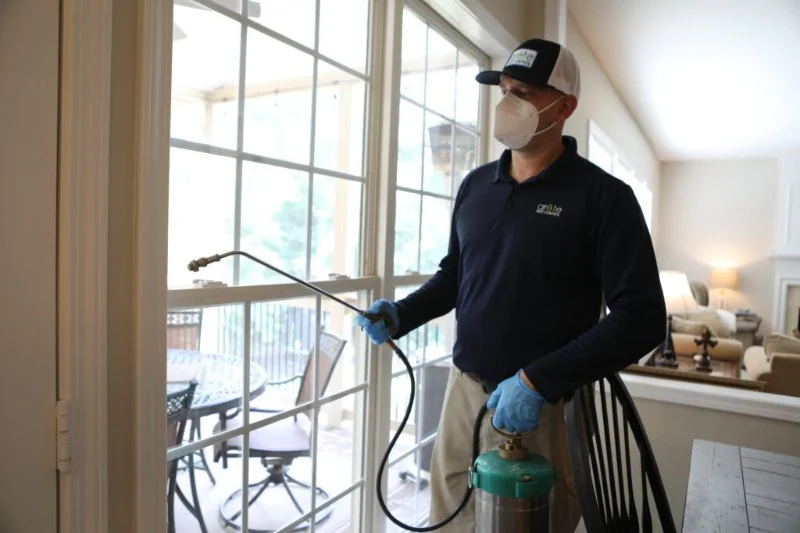
Regular pest control is essential for maintaining a healthy home environment. Pests such as ants, rodents, termites, and cockroaches can cause structural damage, spread diseases, and create an uncomfortable living space. Establishing a consistent pest control schedule helps prevent infestations before they escalate into costly problems.

1.1 Health and Safety Concerns
Pests can carry bacteria, viruses, and allergens that pose risks to your family’s health. A proactive pest control plan reduces the likelihood of exposure and protects vulnerable residents, including children and elderly family members.

1.2 Property Protection
Some pests, especially termites and carpenter ants, can damage wooden structures. Regular treatments safeguard your investment by preserving the integrity of your home.
2. Factors that Influence Pest Control Frequency
The ideal interval for pest control services depends on various factors that affect the likelihood of pest activity.
2.1 Geographic Location
Homes in warm, humid climates may require more frequent treatments due to higher pest populations. Seasonal variations and local pest prevalence influence scheduling decisions.
2.2 Property Type and Size
Larger properties or homes with extensive landscaping may need additional attention, as pests can find multiple entry points and hiding spots.
2.3 Lifestyle and Household Habits
Homes with pets, children, or frequent outdoor activity may attract pests more easily. Proper waste management and food storage practices can influence the frequency of professional interventions.
3. Seasonal Pest Patterns and Timing
Pest activity often follows seasonal trends. Understanding these patterns allows homeowners to schedule treatments proactively.
3.1 Spring and Summer
Warm months encourage increased activity for ants, mosquitoes, and termites. Scheduling pest control in early spring can prevent infestations during peak seasons.
3.2 Fall and Winter
Rodents and spiders often seek shelter indoors during cooler months. A fall inspection ensures preventive measures are in place before the pests enter your home.
4. Types of Pest Control Services and How They Affect Scheduling
Different pest control services dictate how often treatments should occur.
4.1 Routine Preventive Treatments
General household pest control is typically scheduled quarterly or bi-monthly, depending on risk factors. These treatments focus on preventing common infestations such as ants, roaches, and spiders.
4.2 Targeted Treatments
Specialized services, such as termite or bed bug treatments, may require unique intervals, often ranging from annual inspections to more frequent follow-ups depending on infestation severity.
5. Residential vs Commercial Scheduling Needs
Commercial properties often require more frequent pest control due to higher traffic, food handling areas, and larger square footage. Residential scheduling can be adapted based on specific household risk factors and pest exposure.
6. Signs You Need an Extra Pest Treatment
Even with a regular schedule, certain signs may indicate that additional service is necessary:
- Visible pest sightings, droppings, or damage
- Unusual odors associated with infestations
- Structural damage or chew marks on wood and furniture
- Rapidly spreading outdoor infestations near the home
7. Creating a Personalized Pest Control Plan
Every home is unique, and personalized planning ensures maximum effectiveness. A professional assessment identifies pest hotspots, vulnerability areas, and recommends a tailored schedule. Typically, quarterly or bi-monthly visits maintain adequate protection for most households.
7.1 Documentation and Tracking
Keep records of treatments, pest sightings, and seasonal considerations. Tracking helps adjust frequency as needed and provides insight into long-term effectiveness.
8. Maintenance Tips Between Professional Visits
Homeowner actions can significantly enhance pest control effectiveness:
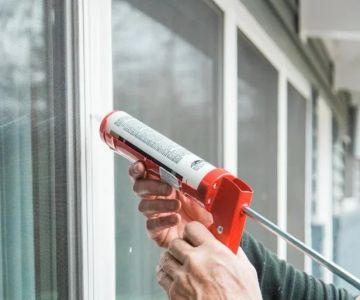
- Seal cracks and gaps in walls, windows, and doors
- Maintain proper waste disposal and food storage practices
- Trim vegetation and remove standing water near the home
- Use natural repellents or traps for minor pest concerns
9. Choosing a Reliable Pest Control Provider
Select a licensed, reputable service like PestControlHub for professional guidance. A trusted provider evaluates your property, recommends appropriate treatment intervals, and ensures safe, environmentally responsible pest management.
10. Final Thoughts on Regular Pest Control
Scheduling pest control services is an essential part of maintaining a safe and comfortable home. While typical intervals range from quarterly to bi-monthly for preventive care, factors like climate, property size, pest type, and lifestyle can influence frequency. Regular inspections, combined with professional treatments and homeowner vigilance, provide the most effective long-term solution. For tailored recommendations and expert services, explore PestControlHub to keep your home pest-free year-round.


 Uma Pest Control5.0 (150 reviews)
 Meerkat Pest Control5.0 (730 reviews)
 Arab Termite & Pest Control4.0 (15 reviews)
 Nance Pest Control4.0 (11 reviews)
 Quality Pest Solutions4.0 (23 reviews)
 Active Pest Control4.0 (165 reviews)
 How to Keep Pests Out of Outbuildings
 How to Keep Crawlspaces Dry and Pest-Free: Essential Tips
 How to Choose Treat-or-No-Treat When Pest Signs Are Mild
 How to Reduce Pest Attraction Through Landscaping
 How Pest Control Works in Multi-Family Homes
 How to Use Smart Devices to Track Pest Locations