
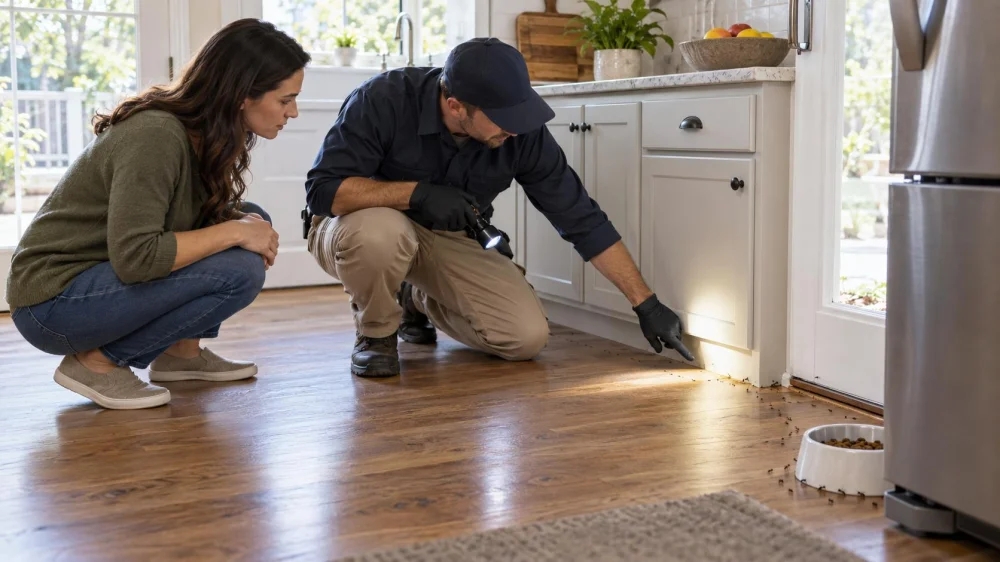
Kitchen Ant Activity Map: Routes, Attractants, and Entry Gaps
On this page
Quick answer
Start kitchen ant activity map by checking routes, attractants, and entry gaps in a consistent order. Record the conditions, identify the responsible provider or professional, and decide in advance what result means proceed, pause, or escalate. Use current instructions and direct observations; do not treat a checklist as a guarantee or substitute for qualified advice.

Why kitchen ant activity map matters
Kitchen Ant Activity Map is a structured review of routes, attractants, and entry gaps before a purchase, visit, service, trip, or handoff. This guide is for readers in United States who need a practical record and a defensible next step. It may not apply when specialist inspection, emergency response, or written provider instructions control the decision.
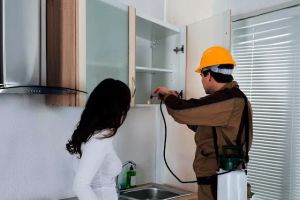
Team Veterans Pest Control
Mount PleasantCharleston CountySouth Carolina
1385 Classic Ct Unit 234, Mt Pleasant, SC 29466, USA
Prepare for the routes check
Gather the current instructions, receipt or booking details, relevant measurements, and a simple note format. For routes, identify the exact item, place, time, condition, and person responsible. Photograph or copy records only when permitted, relevant, and safe. Keep private, financial, medical, or access information protected.
Review attractants and entry gaps step by step
- Confirm routes and note the source of the information.
- Check attractants under the conditions that matter to the real situation.
- Record entry gaps with a date, location, item, model, or person when relevant.
- Ask how follow-up will be confirmed and what happens if it changes.
- Repeat the final result back and retain the agreed record.
Use plain observations rather than labels such as “fine” or “bad.” A photo, receipt, model number, ingredient list, or written instruction is useful only when it directly supports the decision.
Proceed, pause, or escalate
Proceed when the routes check is complete, the attractants result matches current instructions, and the entry gaps evidence is consistent. Pause when facts are missing, conditions changed, or two sources disagree. Escalate when safety, health, legal, structural, financial, or contractual risk exceeds your competence or authority.
Limitations and important notes
This checklist cannot prove professional quality, diagnose a condition, interpret law, guarantee availability, or replace an inspection. Local rules, provider policies, product specifications, prices, menus, weather, and service terms can change. Follow emergency instructions and manufacturer or licensed-professional guidance when they conflict with general advice.
Evidence and source notes
Prefer current official guidance, the responsible provider's written terms, manufacturer instructions, and records created during the transaction or visit. Check the date, jurisdiction, model, ingredient, service scope, and author. For kitchen ant activity map, evidence should be specific enough that another person can understand what was checked and when, without relying on an unsupported claim.
Frequently asked questions
How much detail should I record?
Record enough to identify the item, time, condition, instruction, and result. For routes, one clear entry is more useful than a long assumption.
What if two sources disagree?
Pause the decision, find the current authoritative source, and ask the responsible provider or qualified professional to resolve the conflict. Keep the answer with your attractants and entry gaps notes.
Next steps
Create one concise record covering routes, attractants, and entry gaps. Name the responsible person, the next checkpoint, and the condition that would make you stop or seek qualified help. Share only the information needed for the handoff, then verify the final instruction before acting.



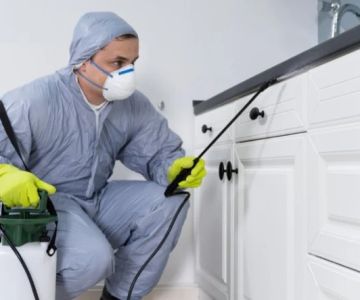
 Deloach Exterminating4.0 (17 reviews)
 Team Veterans Pest Control5.0 (448 reviews)
 Carolina Coastal Pest Management0.0 (0 reviews)
 NexPro Pest Control, LLC5.0 (44 reviews)
 Orkin4.0 (583 reviews)
 Advanced Pest Control5.0 (1 reviews)
 Pest Control Room Preparation: Access, Storage, and Reentry
 Kitchen Ant Activity Map: Routes, Attractants, and Entry Gaps
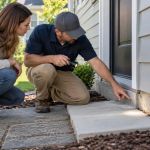 Rodent Entry Point Check: Gaps, Doors, Vents, and Evidence
 Pest Control Pet Safety: Access, Products, and Reentry
 Rodent Exclusion Quote: Openings, Materials, and Follow-Up
 Pest Control Pet Reentry: Timing, Surfaces, and Advice