
- understanding-cold-region-pest-control
- why-cold-weather-changes-pest-behavior
- common-pests-in-cold-regions
- differences-between-warm-and-cold-climate-pest-control
- winter-pest-prevention-strategies
- professional-pest-control-for-cold-regions
Understanding Cold Region Pest Control
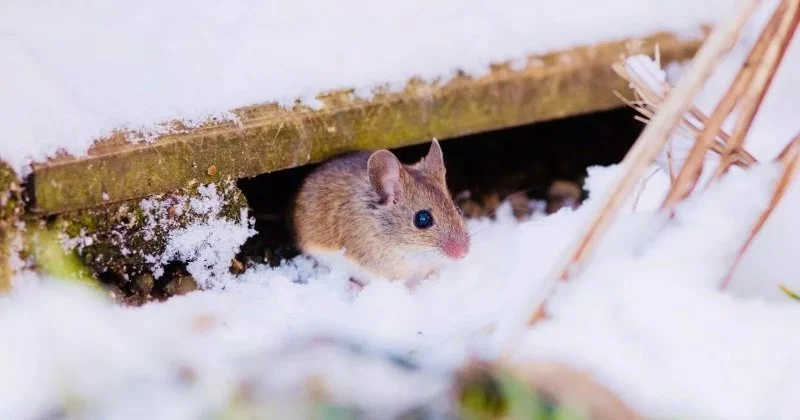
Many people assume that cold weather automatically eliminates pest problems. When temperatures drop below freezing and snow covers the ground, it may seem like insects and other unwanted creatures disappear until spring. However, pest activity does not simply stop in colder climates. Instead, pests often change their behavior, search for warmer environments, and adapt to seasonal conditions.
Cold region pest control requires a different approach compared with pest management in warmer areas. In northern climates, homeowners are often dealing less with outdoor insect activity and more with pests seeking shelter indoors. Rodents, overwintering insects, and hidden infestations can become significant concerns when temperatures fall.
Effective pest control in cold climates focuses on understanding seasonal behavior, preventing entry points, protecting indoor spaces, and addressing problems before they become severe. Homeowners in colder regions need strategies designed specifically for winter conditions rather than relying on methods commonly used in warm environments.
PestControlHub provides information and solutions that help homeowners understand seasonal pest challenges and choose appropriate approaches for different climate conditions.
How Climate Influences Pest Management
Climate affects nearly every aspect of pest behavior. Temperature, moisture levels, food availability, and shelter opportunities determine where pests live and how active they become.
In warm climates, pest control often focuses on preventing outdoor breeding cycles and managing year-round insect populations. In cold regions, the primary concern is often stopping pests from entering buildings and surviving indoors during harsh weather.
A home that stays warm throughout winter can unintentionally become an ideal shelter for pests. Walls, basements, attics, garages, and crawl spaces provide protection from freezing temperatures while offering access to food and water.
Why Cold Weather Changes Pest Behavior
1. Pests Search for Indoor Shelter
The biggest difference in cold region pest control is the movement of pests toward human structures. As outdoor temperatures decline, many pests look for places where they can survive.
Homes provide:
- Stable temperatures
- Protection from snow and freezing conditions
- Food sources
- Moist areas for survival
This is why homeowners often notice increased pest activity indoors during late fall and winter. The problem is not necessarily that pests suddenly appear; many have already entered the building before the coldest months arrive.
2. Pest Metabolism Slows in Cold Weather
Cold temperatures affect insect activity because many insects are cold-blooded and depend on environmental temperatures for movement and reproduction.
However, slowing down does not mean disappearing. Some insects enter a dormant state called overwintering, where they remain hidden until conditions improve.
Examples include insects hiding inside:
- Wall cavities
- Attics
- Window frames
- Firewood piles
- Basement storage areas
When indoor heating increases temperatures, these pests may become active even during winter.
3. Food Sources Become More Important
During warmer months, many pests can find food outdoors. In winter, natural food sources become limited, causing pests to search more aggressively around homes.
Improperly stored food, pet food, garbage areas, and kitchen crumbs can attract pests that are already seeking shelter.
Common Pests Found in Cold Regions
1. Rodents Seeking Warm Shelter
Rodents are among the most common cold weather pests. Mice and rats are excellent at finding tiny openings that allow them to enter buildings.
A mouse can squeeze through surprisingly small gaps, making cracks around foundations, utility openings, garage doors, and vents potential entry points.
Once inside, rodents can cause several problems:
- Damage to insulation
- Chewing on electrical wiring
- Contamination of food supplies
- Unpleasant odors
Rodent prevention is one of the most important parts of winter pest management in northern homes.
2. Overwintering Insects
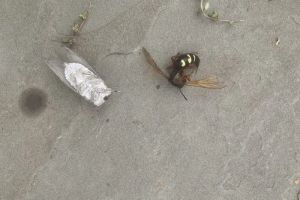
Many insects survive cold seasons by finding protected locations. They may enter homes during autumn and remain hidden until warmer weather returns.
Common examples include:
- Stink bugs
- Boxelder bugs
- Cluster flies
- Lady beetles
These insects are often more annoying than dangerous, but large numbers can create frustration for homeowners.
3. Spiders and Indoor Predators
Spiders may become more noticeable indoors during colder months because their prey moves inside as well.
Reducing insect populations and sealing entry points can help control spider activity naturally.
Differences Between Warm and Cold Climate Pest Control
1. Seasonal Timing Matters More
One major difference between warm and cold climate pest control is the importance of timing.
In warmer areas, pests may remain active throughout the year. In colder regions, pest activity often follows seasonal patterns.
For example:
- Fall focuses on preventing indoor entry
- Winter focuses on indoor monitoring and control
- Spring focuses on addressing returning outdoor populations
Understanding these patterns allows homeowners to take preventive action before problems develop.
2. Building Protection Becomes a Priority
Cold region pest control places greater emphasis on structural protection. The goal is often to stop pests before they enter.
Important prevention steps include:
- Sealing foundation cracks
- Repairing damaged screens
- Checking attic openings
- Installing proper door sweeps
- Reducing moisture problems
Unlike warm-weather pest management, where outdoor treatment may be more common, cold climate strategies often focus on the building itself.
3. Different Treatment Approaches
Some pest control products and methods work differently depending on temperature. Certain outdoor treatments may become less effective during freezing conditions.
Professionals must consider weather conditions, pest biology, and where pests are located before choosing a treatment approach.
Winter Pest Prevention Strategies for Cold Regions
1. Inspect Your Home Before Winter
The best time to prepare for winter pests is before freezing temperatures arrive.
Homeowners should inspect:
- Foundation walls
- Basement windows
- Garage areas
- Roof edges
- Utility entrances
Small openings should be repaired before pests have an opportunity to enter.
2. Manage Food and Storage Areas
Proper storage reduces the chances of attracting pests indoors.
Helpful practices include:
- Keeping food in sealed containers
- Cleaning spills quickly
- Removing garbage regularly
- Storing pet food securely
These simple habits can make homes much less attractive to rodents and insects.
3. Maintain Dry Indoor Conditions
Moisture attracts many pests. Leaking pipes, damp basements, and poor ventilation can create ideal conditions for insects and other unwanted organisms.
Using dehumidifiers, repairing leaks, and improving airflow can support long-term pest prevention.
Professional Pest Control for Cold Regions
When Professional Help Becomes Necessary
Some pest problems can be managed with preventive measures, but professional assistance may be needed when infestations become established.
Signs that professional pest control may be appropriate include:
- Frequent rodent sightings
- Droppings or nesting materials
- Repeated insect appearances
- Damage to property
- Unusual sounds inside walls
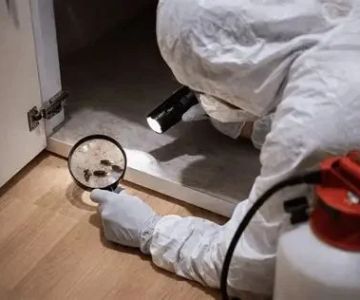
Professionals have experience identifying hidden pest activity and selecting treatments suitable for specific climates.
The Value of Climate-Specific Knowledge
Effective pest management depends on understanding local conditions. A strategy that works well in a warm southern state may not be suitable for a northern winter environment.
Cold region pest control requires knowledge of:
- Seasonal pest cycles
- Local species behavior
- Building structures
- Temperature effects
This specialized approach helps create more effective and lasting solutions.
Real Example: A Winter Mouse Problem in a Northern Home
A homeowner in a northern state noticed scratching sounds coming from the walls during January. At first, they assumed the noise was caused by the building expanding in freezing temperatures.
After inspection, they discovered mice had entered through a small opening near the garage foundation. The rodents had created nesting areas inside insulation and were searching for food stored in the kitchen.
The solution involved sealing entry points, removing nesting materials, improving food storage practices, and monitoring activity.
This example shows why winter pest problems are often related to prevention rather than simply eliminating visible pests.
Preparing Your Home for Every Season
Pest control in cold regions requires a different mindset. Instead of assuming freezing temperatures eliminate pests, homeowners should understand that many pests simply change locations and behaviors.
The most effective approach combines prevention, inspection, proper home maintenance, and professional support when needed.
By learning how cold weather affects pests, homeowners can protect their properties and reduce the risk of winter infestations. Whether dealing with rodents, insects, or seasonal pest challenges, climate-specific strategies create better long-term results.



 Lane's Termite Pest Inc4.0 (62 reviews)
 Ben the Bug Man, A-1 Pest Control Inc.4.0 (6 reviews)
 veganix pest control disinfecting and deodorizing5.0 (1 reviews)
 All Out Bird Control, LLC5.0 (6 reviews)
 Orkin0.0 (0 reviews)
 Burnin' Bugs5.0 (4 reviews)
 How to Deal With Pest Infestations in Basements
 How to Use Targeted Barrier Treatments
 How to Use Preventative Barriers for All Seasons
 How to Deal With Pest Infestations in Condos
 How to Keep Flies Out of Your House in the Summer – Effective Tips
 How to Evaluate Professional Pest Control Certifications