

- 1 - understanding-preventative-barriers-and-how-they-work - core principles of year-round protection
- 2 - spring-pest-prevention-strategies - blocking early infestations before they grow
- 3 - summer-barrier-methods-for-outdoor-pest-control - heat moisture and insect pressure management
- 4 - real-homeowner-story-seasonal-pest-invasion-control - suburban pest prevention case study
- 5 - fall-preparation-for-pest-barriers - sealing entry points before cold weather migration
- 6 - winter-protection-strategies-against-rodents-and-insects - insulation and structural defense
- 7 - physical-chemical-and-natural-barrier-options - comparing effective solutions
- 8 - common-mistakes-in-installing-preventative-barriers - why many systems fail
- 9 - long-term-maintenance-and-monitoring-of-barrier-systems - keeping protection effective
- 10 - how-pestcontrolhub-supports-year-round-pest-defense - tools guidance and prevention solutions
1. Understanding Preventative Barriers and How They Work
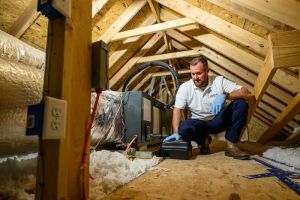
Learning how to use preventative barriers for all seasons starts with understanding the basic idea behind pest exclusion. Preventative barriers are physical, chemical, or natural systems designed to block pests before they enter your home or outdoor space.

EnviroPest | Finger Lakes Pest Control
789 Pre Emption Rd, Geneva, NY 14456, USA
Core Concept of Barrier Protection
Instead of reacting to infestations, barrier systems focus on prevention. This includes sealing entry points, using repellents, and creating environmental conditions that discourage pests from approaching.
When properly implemented, these systems reduce long-term pest control costs and minimize the need for chemical treatments.
2. Spring Pest Prevention Strategies
Spring is the most active season for pests. As temperatures rise, insects and rodents emerge from dormancy and begin searching for food and nesting areas.
Early Barrier Installation
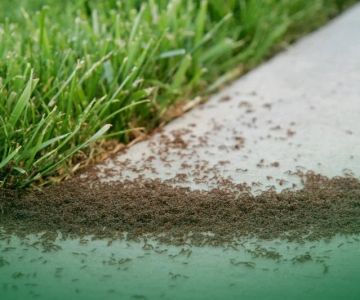
Installing preventative barriers early in spring helps block ants, termites, and crawling insects before they establish colonies. Sealing cracks around windows and foundations is especially important.
3. Summer Barrier Methods for Outdoor Pest Control
Summer brings increased insect activity due to heat and humidity. Mosquitoes, flies, and wasps become more aggressive during this season.
Outdoor Defense Systems
Screen barriers, natural repellents, and proper drainage systems reduce breeding grounds for pests. Standing water should be eliminated to prevent mosquito reproduction.
4. Real Homeowner Story: Seasonal Pest Invasion Control
A homeowner in Texas shared their experience dealing with recurring seasonal pest issues. Each year, ants and rodents invaded their home during weather transitions.
What Changed the Outcome
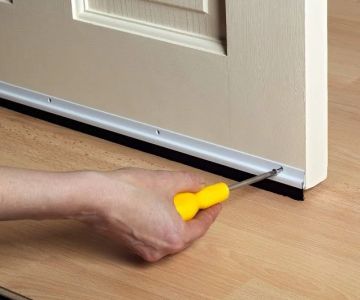
After implementing a layered barrier system—including sealing gaps, installing door sweeps, and improving outdoor drainage—the infestations significantly decreased within one season.
This real-life example shows how preventative barriers for all seasons can effectively break pest cycles when applied consistently.
5. Fall Preparation for Pest Barriers
Fall is a critical time because many pests begin seeking warm indoor shelter. Without proper barriers, homes become easy targets.
Structural Sealing Techniques
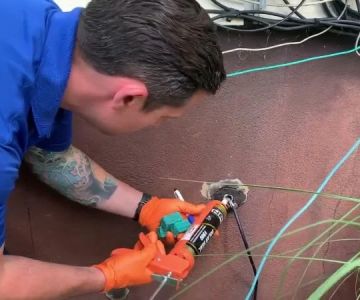
Inspecting and sealing gaps around pipes, vents, and siding prevents rodents and insects from entering during colder months.
6. Winter Protection Strategies
During winter, rodents such as mice and rats actively seek warm environments. Preventative barriers become essential for structural protection.
Insulation and Entry Blockage
Using steel wool, weather stripping, and reinforced insulation helps block entry points that rodents commonly exploit.
7. Physical, Chemical, and Natural Barrier Options
There are multiple types of pest barriers, each with specific advantages.
Physical Barriers
These include screens, seals, and mesh systems that physically block pest entry.
Natural Barriers
Plants like mint, lavender, and citronella can deter insects naturally without chemicals.
Chemical Barriers
While effective, chemical treatments should be used carefully and as part of a broader integrated pest management strategy.
8. Common Mistakes in Installing Preventative Barriers
One common mistake is focusing only on visible entry points while ignoring hidden gaps. Pests often enter through areas homeowners overlook.
Incomplete Coverage
Even a small unsealed crack can compromise an entire barrier system. Regular inspections are necessary for long-term success.
9. Long-Term Maintenance and Monitoring
Preventative barriers require maintenance to remain effective. Weather, wear, and structural changes can create new entry points over time.
Seasonal Inspections
Checking your home at the start of each season ensures that barriers remain intact and functional.
10. How PestControlHub Supports Year-Round Pest Defense
For homeowners learning how to use preventative barriers for all seasons, PestControlHub provides practical tools, expert insights, and prevention strategies designed for long-term pest control success.
By combining structural barriers, environmental management, and seasonal planning, homeowners can significantly reduce pest risks and maintain a safer living environment throughout the year.
With consistent application and proper guidance, preventative barriers become one of the most reliable forms of modern pest control.



 A-Expert Extermination & Termite Control Co., Inc.3.0 (38 reviews)
 Bedrock Pest & Termite LLC5.0 (4 reviews)
 Bug House Pest Control3.0 (6 reviews)
 ANTEX Exterminating4.0 (9 reviews)
 Pest Plus4.0 (65 reviews)
 Terminix Termite & Pest Control4.0 (137 reviews)
 How to Prevent Pest Return After Treatment: Effective Home Strategies
 How to Spot Termite Tunnels on Your Property
 How to Evaluate Professional Pest Control Certifications
 How to Address Pest Issues in Spring Planting – Practical Solutions for Gardeners
 How to Evaluate Pest Control Warranty Offers: Complete Guide
 How to Test Soil Around the Home for Pest Activity