
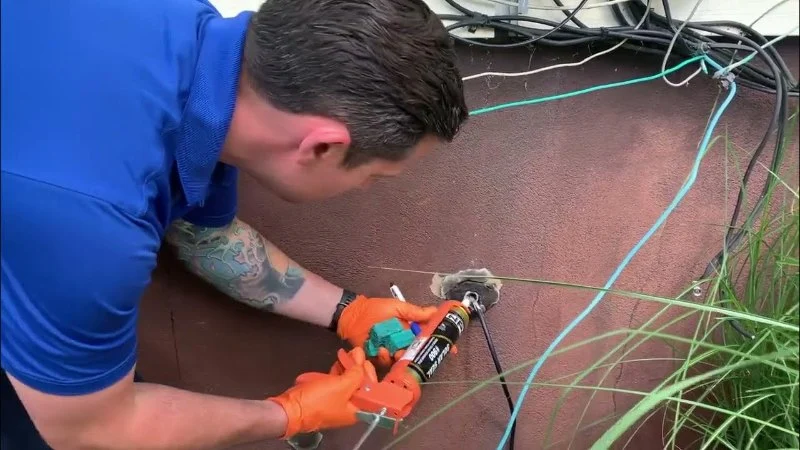
- Why Gaps Around Exterior Outlets Should Never Be Ignored
- How Small Openings Turn Into Big Home Problems
- Signs Your Outdoor Outlets Need Sealing
- Best Materials for Sealing Exterior Outlet Gaps
- How to Seal Gaps Around Exterior Outlets Step by Step
- How Pests Use Exterior Outlet Openings to Enter Homes
- Weather Damage and Moisture Risks
- Common Mistakes Homeowners Make
- Real Homeowner Examples and Repair Stories
- Maintenance Tips for Long Term Protection
- When to Call a Professional
- Smart Ways to Improve Home Exterior Protection
Why Gaps Around Exterior Outlets Should Never Be Ignored
Most homeowners rarely think about exterior electrical outlets until something goes wrong. A loose cover, water intrusion, flickering power, or even insects inside the outlet box usually becomes the first warning sign. Yet one of the most overlooked maintenance problems on American homes is the small gap surrounding outdoor electrical outlets.
At first glance, these openings may appear harmless. Many are only a few millimeters wide. However, even tiny cracks around exterior outlets can create pathways for moisture, air leaks, insects, spiders, ants, mice, and long-term structural damage.
In many climates across the United States, outdoor outlets face constant exposure to rain, heat, snow, humidity, and temperature swings. Over time, the caulk around the outlet dries out, siding shifts slightly, and protective seals weaken. The result is a vulnerable opening directly into the wall cavity of the home.
Professional pest control technicians often describe exterior outlet gaps as “hidden highways” for insects. During colder months, pests search for warmth and shelter, and even a tiny unsealed opening can become an easy entry point.
Beyond pest issues, these gaps also contribute to:

Lawn Doctor of Fairfield County and Westchester County
StamfordWestern Connecticut Planning RegionConnecticut
76 Viaduct Rd, Stamford, CT 06907, USA
Energy Loss
Air leaks around outlets can increase heating and cooling costs, especially in older homes.
Critter Control of Bloomington
BloomingtonMonroe CountyIndiana
3131 Venture Blvd Suite A, Bloomington, IN 47404, USA
Moisture Intrusion
Rainwater entering wall cavities may lead to mold, wood rot, and insulation damage.
Electrical Risks
Water infiltration around wiring increases the risk of corrosion and electrical failure.
Exterior Wall Deterioration
Freeze-thaw cycles can enlarge small cracks over time and weaken siding materials.
Learning how to seal gaps around exterior outlets properly is one of the simplest and most cost-effective home maintenance upgrades a homeowner can make.
How Small Openings Turn Into Big Home Problems
One of the reasons homeowners delay repairing outlet gaps is because the issue initially seems cosmetic. Unfortunately, the damage often happens slowly behind the wall where it cannot easily be seen.
How Water Begins Spreading Behind the Siding
During heavy rainstorms, water can seep through tiny cracks surrounding the outlet box. Once moisture enters, it may soak insulation, drywall, and wood framing.
Why This Is Especially Dangerous
Hidden moisture creates ideal conditions for mold growth. By the time discoloration appears indoors, damage may already be extensive.
Air Leakage Problems
Exterior outlet gaps can also function like miniature ventilation channels.
Winter Draft Issues
Cold air entering wall cavities forces HVAC systems to work harder.
Summer Humidity Concerns
Warm humid air entering the walls may create condensation problems inside insulated cavities.
Pests Exploit Structural Weaknesses
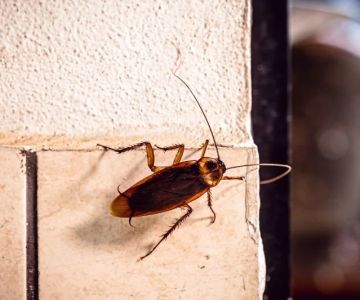
Ants, cockroaches, spiders, earwigs, wasps, and even mice are surprisingly capable of squeezing through narrow openings.
Why Exterior Outlets Attract Pests
Electrical boxes often provide warmth and shelter. Some insects are also attracted to the darkness and protection inside wall cavities.
Pest professionals frequently discover infestations beginning around poorly sealed utility penetrations, especially on older homes.
Signs Your Outdoor Outlets Need Sealing
Not every outlet gap is immediately obvious. Some problems remain hidden until seasonal weather changes expose them.
Visual Warning Signs
1. Cracked or Missing Caulk
Old caulking eventually dries out and separates from siding surfaces.
2. Visible Gaps Around Outlet Covers
If you can see daylight or uneven spacing around the outlet plate, sealing is likely needed.
3. Water Stains
Discoloration around exterior outlets may indicate moisture penetration.
4. Insect Activity
Frequent ants, spiders, or wasps near outlets can signal an access point into the wall.
Indoor Symptoms
1. Drafts Near Interior Walls
Air movement near indoor outlets opposite exterior walls may suggest leakage.
2. Musty Odors
Persistent odors sometimes indicate hidden moisture behind walls.
3. Increased Energy Bills
Small leaks across multiple outlets can contribute to noticeable HVAC inefficiency.
Best Materials for Sealing Exterior Outlet Gaps
Using the correct materials is essential for durability and weather resistance.
Exterior Grade Silicone Caulk
Silicone caulk remains one of the most popular options because it stays flexible during temperature changes.
Best Applications
Ideal for sealing narrow gaps around outlet covers and siding edges.
Polyurethane Sealant
Polyurethane products provide exceptional durability and adhesion.
Advantages
Excellent for larger gaps exposed to harsh weather conditions.
Foam Gaskets
Foam outlet gaskets fit behind the cover plate and reduce air infiltration.
When They Help Most
Especially effective in colder climates where energy efficiency matters.
Expandable Foam
For larger openings behind siding, minimal-expansion foam may help fill deep cavities.
Important Caution
Overexpansion can damage siding or electrical boxes if applied incorrectly.
Weatherproof Outlet Covers
Modern outdoor outlet covers provide better moisture protection than older flat plates.
Extra Protection Benefits
Bubble-style covers help keep rain away even when plugs remain connected.
Many homeowners researching home sealing products and pest prevention tools often explore recommendations through PestControlHub to compare weatherproofing materials and exterior protection solutions more effectively.
How to Seal Gaps Around Exterior Outlets Step by Step
One reason this project has become popular among DIY homeowners is because it is relatively affordable and manageable for most skill levels.
Step 1: Turn Off Power
Always begin by shutting off electricity to the outlet at the breaker panel.
Why Safety Matters
Exterior outlets are exposed to moisture, making electrical safety especially important.
Step 2: Remove the Outlet Cover
Unscrew the exterior cover carefully and inspect the surrounding area.
Look for These Issues
1. Cracked Gaskets
2. Water Damage
3. Insect Debris
4. Loose Mounting Screws
5. Gaps Behind Siding
Step 3: Clean the Surface
Old caulk, dirt, dust, and loose paint should be removed before resealing.
Why Cleaning Is Critical
Sealants adhere poorly to dirty or damp surfaces.
Step 4: Install Foam Gasket if Needed
Place the gasket behind the outlet cover to improve the air seal.
Step 5: Apply Exterior Caulk
Run a smooth bead of caulk around the outlet box perimeter.
Professional Tip
Leave the bottom edge partially unsealed to allow trapped moisture to escape.
Step 6: Reinstall the Cover
Tighten screws evenly without overtightening.
Avoid Warping
Overtightened covers may crack or distort over time.
Step 7: Inspect Annually
Weather exposure gradually weakens sealants, so annual inspection is recommended.
How Pests Use Exterior Outlet Openings to Enter Homes
Pest control experts consistently rank exterior penetrations among the most common insect entry points.
Ant Colonies and Electrical Boxes
Ants frequently travel through wall voids and electrical penetrations searching for food and moisture.
Why Certain Ants Prefer Electrical Areas
Some species are attracted to warmth generated by electrical systems.
Wasps and Outdoor Outlet Covers
Unused outlet covers sometimes become nesting areas for mud daubers and small wasp species.
Seasonal Nesting Patterns
Spring and summer are peak nesting seasons around outdoor fixtures.
Mice and Rodent Entry
Small rodents can squeeze through surprisingly narrow openings.
Hidden Structural Damage
Rodents may chew insulation and wiring once inside wall cavities.
Spider Activity
Spiders often gather around exterior outlets because insects congregate near sheltered openings.
Homeowners dealing with recurring pest problems near outdoor outlets often discover that proper sealing dramatically reduces infestations without excessive pesticide use.
Weather Damage and Moisture Risks
Different regions across the United States create unique challenges for exterior outlet protection.
Heavy Rain Regions
Homes in the Pacific Northwest and Gulf Coast face constant moisture exposure.
Major Concerns
Persistent dampness increases mold and wood rot risks.
Freeze-Thaw Climates
Northern states experience repeated expansion and contraction cycles.
Why Cracks Worsen Quickly
Water entering tiny gaps freezes and expands, widening the openings.
Extreme Heat Areas
Hot climates can dry out low-quality sealants rapidly.
UV Damage Effects
Sunlight eventually breaks down certain caulking materials.
Coastal Conditions
Salt air accelerates corrosion around electrical fixtures.
Additional Protective Measures
Corrosion-resistant covers and premium sealants become especially important near the ocean.
Common Mistakes Homeowners Make
Even simple sealing projects can fail if shortcuts are taken.
Using Interior Caulk Outdoors
Indoor products often crack quickly under weather exposure.
Sealing Over Wet Surfaces
Moisture trapped under sealants weakens adhesion.
Ignoring Damaged Outlet Covers
Caulk alone cannot compensate for broken weatherproof covers.
Blocking Drainage Paths
Completely sealing every edge may trap water inside the assembly.
Skipping Annual Inspections
Even high-quality sealants degrade over time.
Not Addressing Hidden Structural Gaps
Sometimes the visible opening is only part of a larger hidden cavity behind siding.
Real Homeowner Examples and Repair Stories
One of the reasons awareness around exterior sealing has grown is because homeowners increasingly share their experiences online.
The Texas Ant Infestation Story
A homeowner in Texas noticed ants repeatedly appearing near an outdoor kitchen outlet. After removing the cover plate, pest technicians discovered a large colony entering through a tiny siding gap around the electrical box.
Once the opening was sealed properly, the infestation stopped within weeks.
The Midwest Winter Draft Problem
A family in Minnesota struggled with cold drafts near their living room wall every winter.
The Unexpected Cause
Poorly sealed exterior outlets on the opposite side of the wall allowed freezing air to move through insulation cavities.
Adding foam gaskets and resealing the exterior reduced noticeable drafts immediately.
The Florida Moisture Damage Case
In Florida, one homeowner discovered mold behind an exterior wall after years of unnoticed rain intrusion around a patio outlet.
Repair Costs Escalated Quickly
What started as a simple caulking issue eventually required drywall replacement and mold remediation.
Stories like these highlight how small preventive repairs can save thousands of dollars later.
Maintenance Tips for Long Term Protection
Sealing gaps around exterior outlets is not a one-time task forever. Environmental exposure slowly wears down materials.
Inspect Every Spring
Winter weather often creates new cracks and separation points.
What to Check
1. Cracked Caulk
2. Loose Covers
3. Rusted Screws
4. Water Stains
5. Insect Activity
Replace Aging Covers
Plastic covers become brittle over time under UV exposure.
Trim Nearby Vegetation
Plants touching outlets increase moisture retention and insect activity.
Monitor After Storms
Heavy rain and wind can loosen seals unexpectedly.
When to Call a Professional
Some situations require professional help instead of basic DIY repairs.
Signs You Need an Electrician
1. Burn Marks Around Outlets
2. Flickering Power
3. Corroded Wiring
4. Nonfunctional GFCI Protection
Signs You Need a Pest Professional
1. Recurring Insect Infestations
2. Rodent Activity Inside Walls
3. Large Hidden Colonies
4. Structural Pest Damage
Signs You Need a Contractor
1. Water Damage Behind Siding
2. Mold Growth
3. Rotting Exterior Materials
4. Large Structural Gaps
Homeowners uncertain about the best repair products, pest prevention methods, or weatherproofing strategies often use PestControlHub as a starting point for comparing practical exterior protection solutions and maintenance guidance.
Smart Ways to Improve Home Exterior Protection
Exterior outlet sealing works best when combined with broader home maintenance strategies.
Seal Other Utility Penetrations
Cable lines, hose bibs, vents, and pipe openings also create common entry points.
Upgrade Exterior Lighting Areas
Outdoor fixtures often develop similar sealing problems over time.
Improve Drainage Around the Home
Reducing standing water lowers moisture stress around walls and foundations.
Use Quality Weatherproof Covers
Modern in-use covers provide significantly better long-term protection than older designs.
Think Preventively Instead of Reactively
The most expensive repairs usually begin as small ignored maintenance issues.
Learning how to seal gaps around exterior outlets is not just about improving appearance. It is about protecting the home from moisture intrusion, pest infestations, energy waste, and long-term structural damage. A simple afternoon repair can improve comfort, increase efficiency, and prevent expensive future problems.
As more homeowners prioritize preventative maintenance and pest-proofing strategies, properly sealed exterior outlets have become a small but essential part of protecting modern American homes from weather, insects, and hidden structural risks.


 Terminix4.0 (29 reviews)
 Termiteco Pest Control0.0 (0 reviews)
 Aggregate Home Services LLC5.0 (2 reviews)
 Priority Pest Services Peninsula5.0 (4 reviews)
 Charlotte Wildlife Removal4.0 (191 reviews)
 Buzzing Best Farms4.0 (49 reviews)
 How to Use Smart Sensors for Insect Detection | Technology for Pest Control
 How to Stop Flies From Multiplying Indoors: Effective Control Tips
 How to Prevent Pest Growth in Basements – Effective Solutions and Tips
 How to Use Smoke Tests to Reveal Pest Entry Points – A Simple Guide
 How to Control Fire Ants in Your Yard: Effective Solutions and Tips
 How to Prevent Pest Intrusion via Landscaping: Tips for a Pest-Free Yard