
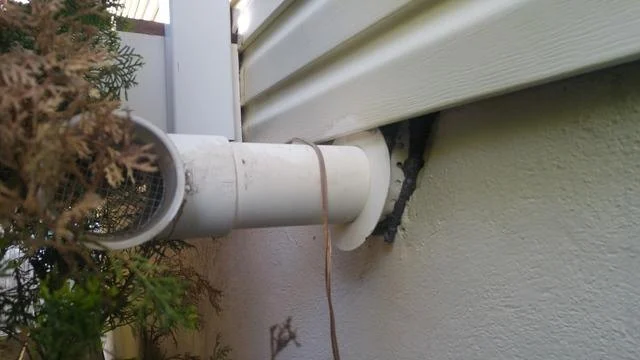
- 1 - Understanding Pest Entry Points - Why Gaps Around Pipes Are Vulnerable
- 2 - Inspection and Identification - Finding Hidden Gaps
- 3 - Sealing with Caulk and Foam - A Practical Approach
- 4 - Using Metal and Physical Barriers - Reinforcing Your Defenses
- 5 - Maintaining Cleanliness and Reducing Attractants
- 6 - Case Studies - Successful Prevention Stories
- 7 - Professional Resources and Products - Guidance from Experts
1 - Understanding Pest Entry Points - Why Gaps Around Pipes Are Vulnerable
1.1 Common Pests That Exploit Gaps
Small rodents, insects, and spiders often use the gaps around plumbing pipes to enter homes. Even gaps as small as a quarter of an inch can allow mice, cockroaches, or ants to find their way inside. Understanding which pests are likely to exploit these openings helps prioritize preventative measures.
1.2 How Pipes Create Vulnerabilities
Pipes penetrating walls, floors, and ceilings create natural weak points in your home's barrier. Over time, shifting foundations or vibrations from plumbing can enlarge these gaps, increasing the risk of pest intrusion.
2 - Inspection and Identification - Finding Hidden Gaps
2.1 Visual Inspection Techniques
Begin by checking areas where plumbing enters your home, including kitchens, bathrooms, and basements. Look for cracks, gaps, or missing sealant. Use a flashlight and a mirror to inspect hard-to-reach corners and behind appliances.
2.2 Signs of Pest Activity
Scratches, droppings, or unusual noises can indicate that pests have been using gaps around pipes as entry points. Noticing these early allows for timely interventions before infestations grow.
3 - Sealing with Caulk and Foam - A Practical Approach
3.1 Choosing the Right Sealant
For small gaps, silicone or acrylic caulk provides a flexible seal that prevents pests and withstands minor movement. For larger gaps, expanding polyurethane foam can fill voids and provide a durable barrier.
3.2 Step-by-Step Sealing Process
1. Clean the area around the pipe to remove dust and debris.
2. Apply caulk or foam carefully around the pipe's perimeter.
3. Smooth the caulk with a damp finger or tool to ensure full coverage.
4. Allow curing time as recommended by the manufacturer before testing or painting.
4 - Using Metal and Physical Barriers - Reinforcing Your Defenses
4.1 Copper Mesh and Wire Wool
Metal mesh or steel wool can block gaps too large for caulk alone. Rodents cannot gnaw through these materials, making them an effective long-term solution. Combine with foam for a reinforced seal that is both flexible and sturdy.
4.2 Pipe Collars and Gaskets
Installing pipe collars or rubber gaskets around penetrations adds an extra layer of protection. These physical barriers maintain a snug fit even as pipes expand or contract due to temperature changes.
5 - Maintaining Cleanliness and Reducing Attractants
5.1 Declutter and Sanitize
Remove food residues and standing water near pipes. Clean drains, under sinks, and around appliances to make the area less attractive to pests. Regular maintenance of plumbing and immediate repair of leaks reduces moisture-related infestations.
5.2 Monitoring and Maintenance
Schedule periodic inspections to ensure previously sealed gaps remain intact. Reapply sealants where necessary and replace deteriorated barriers. Early detection prevents minor issues from becoming full infestations.
6 - Case Studies - Successful Prevention Stories
6.1 Urban Apartment Success
In a New York City apartment, tenants experienced frequent ant invasions near the kitchen sink. By combining silicone caulk for small gaps and copper mesh for larger openings around pipes, pest entry was eliminated. Regular cleaning further reinforced the barrier's effectiveness.
6.2 Suburban Home Rodent Control
A suburban home faced repeated mouse intrusions in the basement. Installing expanding foam around basement plumbing and supplementing with steel wool prevented further entry. The homeowners noticed a significant reduction in pest sightings within weeks.
7 - Professional Resources and Products - Guidance from Experts
7.1 Expert Assistance
For comprehensive solutions, including specialized sealants, mesh materials, and professional installation, visit PestControlHub. Their resources guide homeowners through effective prevention strategies while ensuring long-lasting results.
7.2 Recommended Products
Invest in high-quality caulks, expanding foams, and steel mesh. Using professional-grade materials ensures durability and resistance to common pest species, giving homeowners peace of mind and a pest-free environment.

 A-Expert Extermination & Termite Control Co., Inc.3.0 (38 reviews)
 Orkin4.0 (314 reviews)
 Quest Pest Control LLC3.0 (8 reviews)
 Eeeraticate0.0 (0 reviews)
 Protective Thermal Solutions5.0 (7 reviews)
 Sustainable Pest Systems4.0 (300 reviews)
 How to Keep Pests Out of Crawlspace Vent Covers Effectively
 The Best Eco-Friendly Pest Control Products You Can Buy
 How to Keep Crawlspaces Dry and Pest-Resistant for a Healthy Home
 How to Prevent Pest Pressure in New Developments
 How to Prevent Pests Around Pools and Water Features
 How to Use Preventative Barriers Early