
Effective Strategies to Keep Pests from Infesting Your Outdoor Shed
- 1 - Understanding Common Shed Pests and Their Habits
- 2 - Assessing Your Shed Environment for Vulnerabilities
- 3 - Structural Barriers and Sealing Gaps
- 4 - Proper Storage and Organization to Minimize Attractants
- 5 - Natural and Chemical Pest Deterrents
- 6 - Regular Cleaning and Maintenance Practices
- 7 - Managing Outdoor Surroundings to Reduce Pest Entry
- 8 - Monitoring and Early Detection for Long-Term Protection
- 9 - Case Studies and Real-Life Success Examples
- 10 - Final Advice for Maintaining a Pest-Free Outdoor Shed
1 - Understanding Common Shed Pests and Their Habits
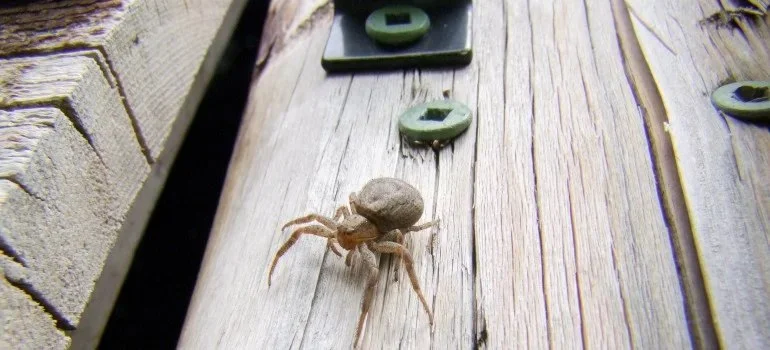
Outdoor sheds can attract a wide variety of pests, including rodents like mice and rats, insects such as ants, spiders, and termites, and sometimes larger wildlife like raccoons. Understanding their behavior is key to prevention. Rodents often seek warmth, shelter, and food storage areas. Insects may enter seeking moisture or dark hiding places. Recognizing signs of infestations early, such as droppings, chewed wood, or insect nests, can help you take action before the problem escalates.

2 - Assessing Your Shed Environment for Vulnerabilities
Conduct a thorough inspection of your shed to identify potential pest entry points and attractants. Check for cracks in the walls, gaps under doors, damaged roofing, or openings around windows. Look for areas where moisture accumulates or organic debris gathers. Assessing both the interior and exterior environment allows you to implement targeted prevention measures that address the specific risks present in your shed.

Blythewood Wildlife Removal, Lexington
LexingtonLexington CountySouth Carolina
122 Woodcraft Dr, Lexington, SC 29073, USA
3 - Structural Barriers and Sealing Gaps
Installing physical barriers is one of the most effective ways to prevent pests. Seal cracks, holes, and gaps with caulk, weather stripping, or metal mesh. Ensure doors fit tightly and consider adding door sweeps. Screen vents and windows to block insect entry. For rodent control, reinforcing foundations and walls with steel wool or hardware cloth can deter chewing. Structural improvements not only prevent current infestations but also reduce future pest risks.
4 - Proper Storage and Organization to Minimize Attractants
Disorganized sheds with clutter provide shelter and hiding spots for pests. Store items in plastic bins with tight-fitting lids rather than cardboard boxes. Keep food, pet supplies, or garden chemicals securely stored and elevated off the ground. Maintain pathways and clear areas to discourage nesting and make inspection easier. Organized storage reduces both pest attraction and the difficulty of detecting early infestations.
5 - Natural and Chemical Pest Deterrents
Use a combination of natural and safe chemical deterrents to protect your shed. Natural options include peppermint oil, cedar chips, or diatomaceous earth, which repel insects and rodents. Chemical solutions like boric acid for ants or rodent-safe baits can provide additional protection when applied cautiously. Always follow instructions and consider eco-friendly products to avoid harming pets, children, or beneficial wildlife.
6 - Regular Cleaning and Maintenance Practices
Routine cleaning and upkeep are essential to maintain a pest-free shed. Remove leaves, debris, and stagnant water regularly. Sweep and vacuum the interior to minimize dust, food particles, and hiding spots. Inspect your shed monthly for new gaps or damage. Maintenance tasks, though simple, prevent small issues from becoming large infestations over time.
7 - Managing Outdoor Surroundings to Reduce Pest Entry
The area surrounding your shed plays a major role in pest prevention. Trim overgrown vegetation and remove piles of wood, rocks, or debris near the structure. Ensure gutters are clean and water drains away from the shed foundation. Keeping the perimeter clear discourages rodents and insects from using the nearby environment as a bridge into your shed.
8 - Monitoring and Early Detection for Long-Term Protection
Implement monitoring strategies to catch infestations early. Use rodent traps, sticky insect traps, or motion sensors to detect activity. Regularly check for signs like droppings, chew marks, or damaged plants stored inside. Early detection allows for prompt response, reducing the effort and cost required to eradicate pests effectively.
9 - Case Studies and Real-Life Success Examples
Homeowners have successfully protected their outdoor sheds using layered prevention strategies. For example, one family combined thorough sealing, organized storage bins, and peppermint oil deterrents to completely eliminate a recurring mouse problem. Another homeowner implemented routine maintenance, clearing vegetation around the shed, which reduced ant infestations and improved overall shed usability. These examples show that a proactive approach works well in real-world scenarios.
10 - Final Advice for Maintaining a Pest-Free Outdoor Shed
Preventing pests from infesting outdoor sheds requires consistent attention, smart storage, structural barriers, and environmental management. Combining natural deterrents with careful monitoring enhances protection while maintaining a safe space for your tools and supplies. For further guidance, expert products, and pest prevention strategies tailored for sheds, visit PestControlHub to find solutions that keep your shed secure and pest-free all year round.



 Get Bats Out Fort Wayne5.0 (9 reviews)
 Millers Pest Control4.0 (46 reviews)
 C'ville Termite Removal Experts0.0 (0 reviews)
 Enviro-Tech Pest Services4.0 (420 reviews)
 Torco Pest Control5.0 (1 reviews)
 Statewide Alliance Termite, Moisture & Pest Control4.0 (21 reviews)
 How to Seal Gaps at Door Bottoms to Block Insects
 How to Inspect for Pests Around Plumbing Lines for a Safer Home
 How to Use Smart Sensors for Insect Detection: A Modern Approach
 How Tree Limbs and Shrubs Can Invite Pests into Your Garden
 How to Reduce Indoor Humidity to Prevent Insects
 How to Keep Pests Out of Outbuildings