- 1 - Understanding-Flood-Related-Pest-Risks
- 2 - Initial-Assessment-And-Safety
- 3 - Removing-Water-And-Moisture
- 4 - Cleaning-And-Sanitizing-Affected-Areas
- 5 - Identifying-Pest-Types-Post-Flood
- 6 - Preventive-Pest-Control-Strategies
- 7 - Professional-Pest-Control-Services
- 8 - Monitoring-And-Follow-Up-Maintenance
- 9 - Real-Life-Case-Studies
- 10 - Conclusion-And-Best-Practices
1. Understanding Flood-Related Pest Risks
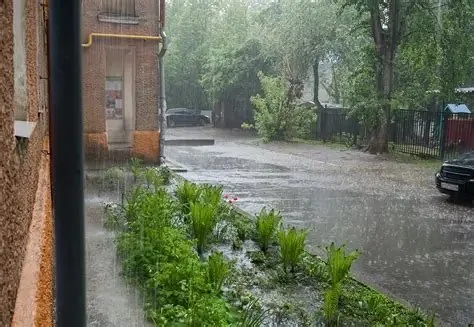
Flooding can create ideal conditions for pests to thrive. Standing water, excess moisture, and debris attract mosquitoes, rodents, and insects. Additionally, damaged structures and wet materials provide nesting spaces for termites and mold-promoting pests. Understanding these risks is essential for planning effective pest control post-flood. Knowing the types of pests commonly associated with floods helps prioritize interventions and prevent long-term infestations.
2. Initial Assessment and Safety
Before beginning pest control, conduct a thorough assessment of your property. Look for:
- Areas with standing water and moisture accumulation
- Structural damage that may harbor rodents or insects
- Signs of mold growth and decaying organic matter
Safety measures are crucial. Wear protective gear such as gloves, boots, and masks. Flooded areas can contain contaminants, bacteria, or hidden hazards. Ensure electricity and gas lines are turned off when entering affected zones. Planning your pest control strategy must begin with safety considerations to avoid injury or secondary health risks.

The Pest Rangers Wilkes-Barre: Termite and Pest Control
Wilkes-BarreLuzerne CountyPennsylvania
2601 S Main St, Wilkes-Barre, PA 18706, USA
3. Removing Water and Moisture
Eliminating excess water is the foundation of effective pest control. Techniques include:
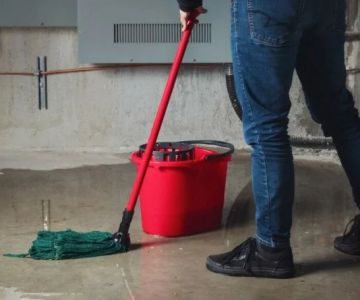
- Using pumps or wet/dry vacuums to remove standing water
- Increasing ventilation with fans and dehumidifiers
- Drying out furniture, walls, and floors to prevent pest habitation
Moisture control prevents mosquito breeding, inhibits mold growth, and reduces environments conducive to rodents and termites. The faster water is removed, the lower the risk of pest infestations.
4. Cleaning and Sanitizing Affected Areas
Floodwater often contains pathogens that attract pests. After draining water, thoroughly clean surfaces using disinfectants. Remove debris, organic matter, and spoiled materials. Pay special attention to kitchen areas, basements, and attics where pests are likely to hide. Proper cleaning not only reduces pest populations but also improves overall home hygiene and safety for residents.
5. Identifying Pest Types Post-Flood
Different pests emerge after floods. Common types include:
- Mosquitoes breeding in stagnant water
- Rodents seeking shelter and food in damaged structures
- Ants and cockroaches attracted to damp areas and debris
- Termites infesting weakened wood and structural elements
- Mold-promoting insects such as silverfish and fungus gnats
Identifying the specific pests in your home helps target control methods efficiently and prevent recurring infestations.
6. Preventive Pest Control Strategies
After flood damage, preventive measures reduce the likelihood of infestations:
- Seal cracks, gaps, and openings in walls, windows, and doors
- Install mesh or screens on vents and windows to block insects
- Store firewood and organic materials away from the house
- Maintain proper drainage to prevent water pooling near the foundation
- Use pest-repellent treatments on vulnerable areas if needed
7. Professional Pest Control Services
Engaging a professional pest control service can be essential after significant flood damage. Experts can:
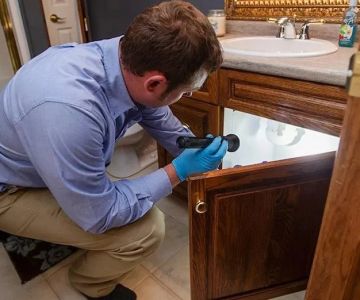
- Conduct thorough inspections to detect hidden infestations
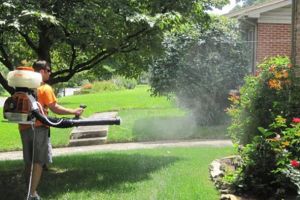
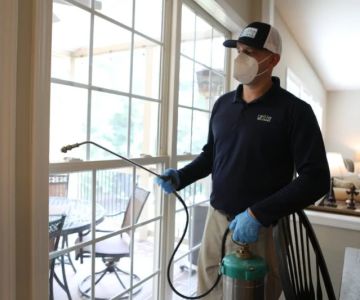
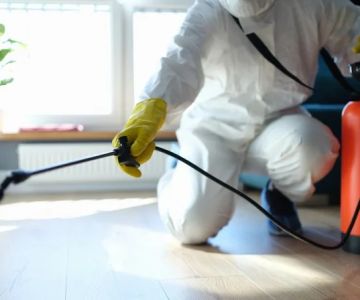
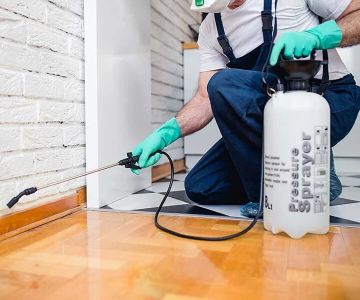
- Apply safe and effective chemical treatments targeting specific pests
- Implement long-term preventive programs to safeguard against future flood-related infestations
- Provide guidance on structural repairs and moisture mitigation
Professional intervention is particularly recommended for termites, large rodent infestations, or mold-associated pests.
8. Monitoring and Follow-Up Maintenance
Consistent monitoring ensures pest control remains effective. Recommended actions include:
- Regularly inspect the home for signs of pests or moisture buildup
- Maintain ventilation and dehumidifiers in affected areas
- Reapply preventive treatments as advised by experts
- Keep gutters, drains, and outdoor areas clear to reduce breeding sites
Monitoring and maintenance prevent small issues from developing into large infestations.
9. Real-Life Case Studies
Many homeowners have successfully managed post-flood pest issues using strategic planning:
- After a river overflow, one family used a combination of water removal, professional pest control, and preventive sealing to prevent rodent and termite invasions.
- A homeowner in a low-lying area relied on frequent inspections and surface treatments to control mosquito populations after a heavy rainfall flood, reducing the risk of disease.
- In urban apartments, dehumidifiers and expert insect treatment prevented cockroach and silverfish outbreaks following basement flooding.
These cases demonstrate the effectiveness of combining immediate action, professional advice, and long-term preventive measures.
10. Conclusion and Best Practices
Planning pest control after flood damage requires understanding flood-related risks, removing moisture, cleaning thoroughly, identifying pests, and implementing preventive strategies. Professional services can enhance outcomes, and consistent monitoring ensures long-term protection.
For comprehensive advice, tools, and services to manage post-flood pest control effectively, visit PestControlHub. Their expert recommendations help homeowners restore safety and maintain a pest-free environment efficiently.
 Get Bats Out Fort Wayne5.0 (9 reviews)
 Millers Pest Control4.0 (46 reviews)
 C'ville Termite Removal Experts0.0 (0 reviews)
 Enviro-Tech Pest Services4.0 (420 reviews)
 Torco Pest Control5.0 (1 reviews)
 Statewide Alliance Termite, Moisture & Pest Control4.0 (21 reviews)
 How to Seal Gaps at Door Bottoms to Block Insects
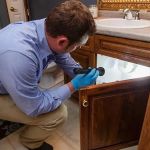 How to Inspect for Pests Around Plumbing Lines for a Safer Home
 How to Use Smart Sensors for Insect Detection: A Modern Approach
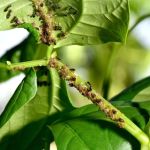 How Tree Limbs and Shrubs Can Invite Pests into Your Garden
 How to Reduce Indoor Humidity to Prevent Insects
 How to Keep Pests Out of Outbuildings