
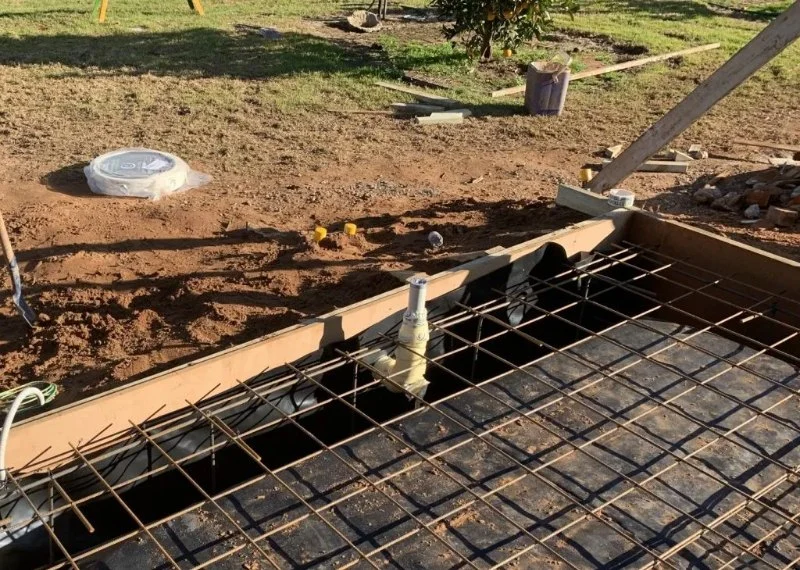
- 1-Understanding-Pest-Ingress
- 2-Common-Pests-at-Foundations
- 3-Assessing-Your-Home-Foundation
- 4-Sealing-Cracks-and-Entry-Points
- 5-Managing-Moisture
- 6-Landscaping-and-Yard-Considerations
- 7-Using-Barriers-and-Repellents
- 8-Professional-Inspection-and-Maintenance
- 9-Real-Life-Case-Studies
1. Understanding Pest Ingress
Preventing pest ingress around foundations begins with understanding how pests find entry points into homes. Cracks, gaps, and spaces around the foundation can provide access for termites, ants, rodents, and other unwanted intruders. Identifying these entry routes is the first step to effective prevention.
1.1 How Pests Locate Homes
Pests are attracted by food, moisture, and shelter. Rodents seek warmth, termites search for cellulose, and insects look for humid environments. Recognizing what draws pests to your home can inform strategic prevention measures.
1.2 Seasonal Behavior
Pest activity often peaks during certain seasons. Spring and summer bring termites and ants, while rodents may seek warmth inside homes during colder months. Understanding these patterns allows homeowners to implement timely preventive actions.
2. Common Pests at Foundations
Different pests pose specific risks to home foundations. Awareness of the common offenders helps in tailoring prevention strategies.
2.1 Termites
Termites feed on wood and can cause structural damage if they access the foundation or wooden framing. Subterranean termites are particularly concerning, as they tunnel through soil to reach your home.
2.2 Rodents
Rats and mice can chew through insulation, wiring, and small gaps in foundations, causing both damage and health risks. They often enter through openings as small as a quarter inch.
2.3 Ants and Other Insects
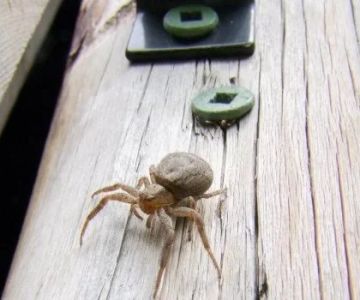
Carpenter ants, spiders, and other insects can establish colonies near or inside foundation areas. Moisture around the foundation often attracts these pests.
3. Assessing Your Home Foundation
Before taking preventive measures, a thorough assessment of your foundation is critical.
3.1 Inspecting for Cracks and Gaps
Walk around your home’s perimeter and look for cracks in concrete, gaps around pipes, vents, and doors. Even minor openings can serve as entry points for pests.
3.2 Checking for Moisture Problems
Excess moisture near the foundation can attract termites and insects. Inspect areas prone to water accumulation, such as downspouts, gutters, and poorly drained soil.
3.3 Reviewing Landscaping and Yard Features
Plants, mulch, and debris placed too close to the foundation can provide shelter for pests. Noting these features is essential for planning pest-prevention strategies.
4. Sealing Cracks and Entry Points
Blocking access points is a fundamental method of prevention.
4.1 Using Caulk and Sealants
Apply high-quality exterior caulk to seal cracks in foundations and gaps around windows, doors, and utility penetrations. Ensure the sealant is weather-resistant for long-term effectiveness.
4.2 Installing Screens and Barriers
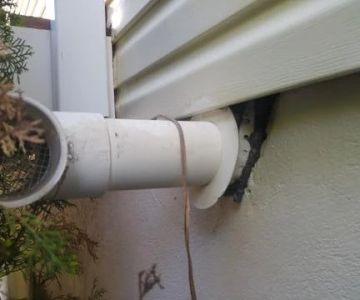
Metal mesh screens over vents and openings can prevent rodents and insects from entering. Physical barriers are a simple yet highly effective solution.
4.3 Door Sweeps and Thresholds
Install door sweeps and properly fitted thresholds on exterior doors to prevent pests from crawling under doors, especially in basements and garages.
5. Managing Moisture
Moisture control is critical for pest prevention, particularly for termites and insects.
5.1 Proper Drainage
Ensure that rainwater is directed away from the foundation using gutters, downspouts, and graded soil. Standing water can attract pests and accelerate wood decay.
5.2 Fixing Leaks and Humidity Issues
Repair leaking pipes and ensure proper ventilation in crawlspaces and basements. Dehumidifiers can reduce humidity levels that attract pests.
5.3 Mulch and Soil Management
Avoid excessive mulch near the foundation, as it can retain moisture and provide shelter for pests. Maintain a gap of several inches between soil or mulch and the foundation walls.
6. Landscaping and Yard Considerations
Smart landscaping reduces the likelihood of pest ingress.
6.1 Plant Placement
Keep shrubs and trees trimmed and positioned away from the foundation. Dense vegetation can provide a bridge for pests to access your home.
6.2 Ground Cover and Mulch
Use gravel or rock ground cover near foundation areas instead of heavy mulch to deter moisture-retaining conditions attractive to pests.
6.3 Debris Removal
Regularly clear leaves, fallen branches, and other debris that can harbor insects or rodents. A clean yard is the first line of defense.
7. Using Barriers and Repellents
Chemical and natural barriers complement physical prevention methods.
7.1 Chemical Treatments
Apply perimeter insecticides or termite barriers where appropriate. Follow safety guidelines and local regulations.
7.2 Natural Repellents
Essential oils, diatomaceous earth, and other natural repellents can reduce pest activity around the foundation without harsh chemicals.
7.3 Integrated Pest Management
Combine physical, chemical, and biological methods for a comprehensive approach to keeping pests away from your home foundation.
8. Professional Inspection and Maintenance
Even with DIY measures, professional inspection is invaluable for long-term protection.
8.1 Regular Professional Inspections
Certified pest control specialists can detect early signs of termite or rodent activity, structural vulnerabilities, and moisture problems that may be missed by homeowners.
8.2 Scheduled Maintenance
Set up annual or biannual maintenance visits to reapply treatments, check barriers, and update strategies based on seasonal risks.
9. Real-Life Case Studies
Many homeowners have successfully prevented pest ingress using combined strategies.
9.1 Case Study: Termite Prevention
A family in Florida noticed early signs of subterranean termite activity. By sealing foundation cracks, managing moisture, and applying a professional termite barrier, they prevented structural damage and maintained a pest-free home.
9.2 Case Study: Rodent Control
In the Midwest, a homeowner experienced frequent mouse sightings. Installing door sweeps, sealing gaps, and removing yard debris eliminated entry points and significantly reduced rodent activity.
For expert guidance on implementing these strategies and obtaining professional products or services, visit PestControlHub to safeguard your home from unwanted pests.


 Dayton's Hometown Pest Control LLC.5.0 (63 reviews)
 Sean Rock Exterminating4.0 (70 reviews)
 Fox Pest Control South Burlington4.0 (200 reviews)
 PermaTreat Pest & Termite Control3.0 (19 reviews)
 Killingsworth Environmental Mooresville NC4.0 (11 reviews)
 A2 Exterminators4.0 (49 reviews)
 How to Use Tamper-Resistant Bait Stations: A Guide for Effective Pest Control
 The Role of Bait vs Spray Treatments for Rodents
 How to Deal With Pest Infestations in Vacant Homes: A Practical Guide
 How to Use Smart Sensors for Insect Detection: A Modern Approach
 The Best Eco-Friendly Pest Control Products You Can Buy
 How to Monitor Pest Trends After Treatment for Effective Control